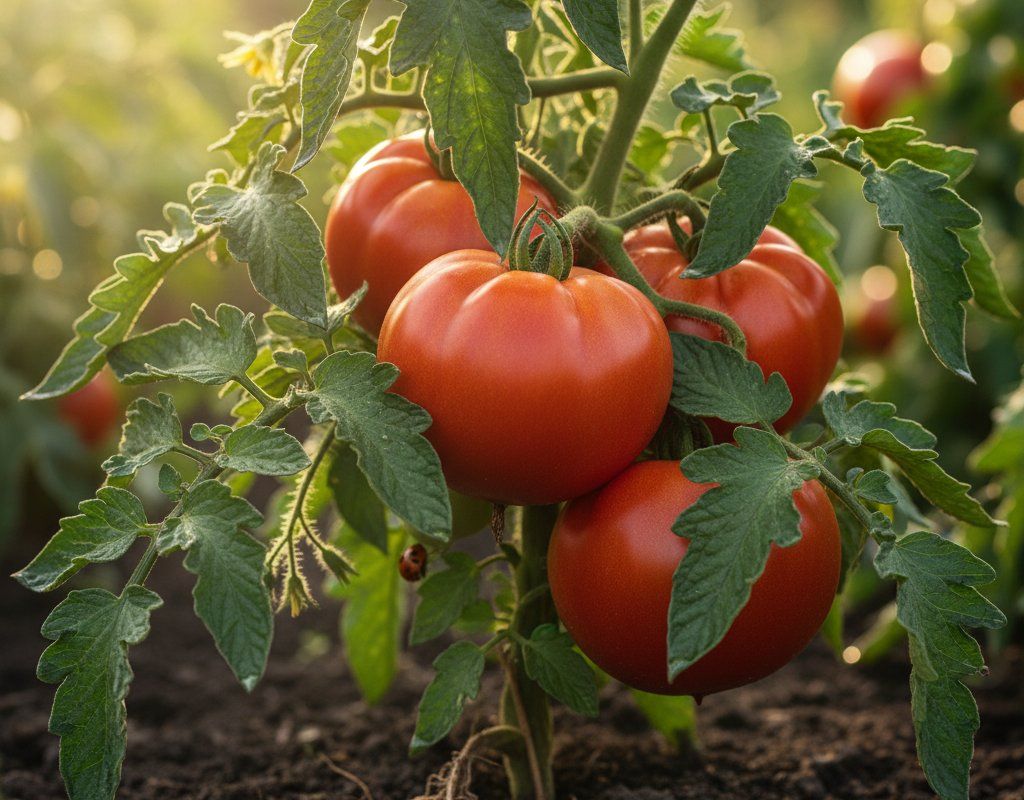
Beefsteak Tomatoes in Zone 10B — Florida
Solanum lycopersicum · Your Complete 2026 Planting Guide
Check Planting Details Below
See the full planting guide for timing information.
How to Plant Beefsteak Tomatoes in Zone 10B — Florida
Here are all your options for getting beefsteak tomatoes in the ground, from the easiest method to more advanced approaches.
Start Seeds Indoors
RecommendedEarly to late December
around December 8
Then transplant: Mid January through mid February
Start seeds 6-8 weeks before transplanting outdoors.
Buy Starts
Works WellMid January through mid February
around January 19
Plant purchased starts after last frost (January 5).
Direct Sow Seeds
ChallengingDirect sowing is not typical for Beefsteak Tomatoes.
Transplant Outdoors
Timing InfoMid January through mid February
around January 19
Wait until nighttime temperatures stay above 50°F.
You have a nice window — no need to rush.
Overview
Growing beefsteak tomatoes in Zone 10B Florida gives you access to some of the most flavorful, meaty tomatoes you can grow – perfect for thick slices on sandwiches or caprese salads using your homegrown basil. These giants can reach over a pound each when grown right, and our extended 360-day growing season means you can enjoy fresh tomatoes while most of the country is still dealing with winter weather. The satisfaction of slicing into a perfectly ripe, warm-from-the-vine beefsteak tomato in late April is hard to beat.
Yes, our extreme humidity and summer heat create challenges for tomatoes, but that's exactly why Florida's reversed growing calendar works so well for these heat-sensitive plants. By starting seeds in December and transplanting in late January, you'll harvest your crop before our brutal summer arrives. With proper timing and consistent watering, beefsteak tomatoes thrive in our subtropical climate during the cooler months.
Starting Seeds Indoors
You'll need to start beefsteak tomato seeds indoors during early to late December, about 6 weeks before your transplant window opens in mid-January. This timing takes advantage of Florida's reversed spring season – while northern gardeners are still bundled up, you're getting your tomato seedlings ready for our prime growing weather. Set up seed trays in a warm spot that stays around 70-75°F, and provide bright light once seeds germinate (a sunny south-facing window or grow lights work well).
Use bottom watering to keep seedlings healthy – fill a tray with water and let the seed cells absorb moisture from below rather than watering from above. This prevents damping-off disease, which loves our humid Florida air. Keep soil consistently moist but not soggy, and provide good air circulation around your seedlings.
Once your seedlings develop their second set of true leaves, you can begin hardening them off in preparation for transplanting. This December-to-February indoor growing period aligns perfectly with our cooler, less humid winter months when seedlings won't struggle with heat stress.
Transplanting Outdoors
Plan to transplant your beefsteak tomato seedlings outdoors from mid-January through mid-February, when nighttime temperatures consistently stay above 50°F. This window gives you the best chance to establish strong plants before our summer heat arrives. Start hardening off your seedlings about a week before transplanting by gradually exposing them to outdoor conditions – begin with 2-3 hours of morning sun, then increase daily until they're outside full-time.
Space your beefsteak plants 36-48 inches apart to allow for their vigorous growth and ensure good air circulation in our humid climate. These indeterminate varieties will sprawl significantly, and proper spacing helps prevent fungal diseases that thrive in crowded, humid conditions. Choose a spot with full sun (6-8 hours daily) and well-draining soil, since our sandy Florida soil actually works in your favor here.
Watch weather forecasts carefully during transplant time – late January cold snaps can still occur, so keep row covers or plant protection handy. Once transplanted, your beefsteaks will take advantage of our mild winter temperatures to establish strong root systems before spring warming begins.
Watering Beefsteak Tomatoes in Zone 10B (Florida)
Beefsteak tomatoes demand consistent, deep watering throughout their growing season, especially given their large fruit size that can exceed one pound each. In Florida, this means adjusting your watering strategy to work with our distinct wet and dry seasons. During the prime growing months of February through May, you'll need to provide about 1-2 inches of water per week through irrigation, since our winter and spring months are relatively dry.
Check soil moisture using the finger test – stick your finger 2 inches deep near the plant base. If it's dry at that depth, it's time to water deeply. Water at the base of plants rather than overhead to minimize fungal disease problems in our very high humidity. Our 93°F summer temperatures and extreme humidity create perfect conditions for leaf diseases when foliage stays wet.
As we transition into our wet summer season (50-65 inches of annual rainfall), you'll actually need to reduce supplemental watering and focus on drainage. Too much water during fruit development causes cracking and dilutes flavor. Signs of overwatering include yellowing lower leaves and soft, watery fruit. Underwatered plants show wilting during hot afternoons and develop blossom end rot.
Mulch heavily around your plants with 3-4 inches of organic material to maintain consistent soil moisture and keep roots cool. In our sandy soil, mulch also helps retain water and nutrients that would otherwise leach away quickly during our intense summer rains.
Supporting Your Beefsteak Tomatoes
Install sturdy cages or stakes at planting time, since beefsteak tomatoes produce heavy fruit that can snap branches without proper support. Use extra-strong tomato cages (at least 6 feet tall) or thick wooden stakes (1x2 inch minimum) with soft ties like cloth strips or tomato tape. The large size of beefsteak fruits – often exceeding one pound each – puts tremendous stress on branches, especially when multiple fruits ripen simultaneously.
Indeterminate varieties like beefsteaks continue growing and producing throughout the season, so they need support that can handle 6-8 feet of vertical growth. As plants grow, tie main stems to stakes every 12-18 inches, being careful not to constrict the stem as it thickens. For cage systems, gently guide branches through openings as they develop.
Train your plants by tucking wayward branches back into cages or tying them to stakes before they become too large to manage easily. The combination of Florida's warm, humid air and rich growing conditions can create very vigorous plants that quickly outgrow inadequate support systems.
Pruning & Maintaining Beefsteak Tomatoes
Focus your pruning efforts on removing suckers – the shoots that develop between main stems and branches – to direct the plant's energy toward producing fewer but larger fruits. For beefsteak varieties, this sucker removal is especially important since you want maximum energy going to those prize-winning large tomatoes rather than excess foliage. Pinch out suckers when they're small (2-3 inches) using your fingers or clean pruning shears.
Remove lower leaves that touch the ground or show signs of yellowing, especially important in Florida's humid climate where soil-splash can spread fungal diseases. As plants mature, continue removing lower branches up to the first fruit cluster to improve air circulation and reduce disease pressure. This is particularly crucial during our humid summer months.
As your first frost approaches in late December, you can either harvest all remaining green tomatoes to ripen indoors, or prune aggressively to encourage the plant to put energy into ripening existing fruits rather than developing new ones. Stop removing suckers about 4-6 weeks before expected frost to allow plants to focus on finishing their current fruit load.
🧪Fertilizing Beefsteak Tomatoes
Feeding Schedule
Organic Fertilizer Options
Harvest Time
Your first beefsteak tomatoes will be ready for harvest from mid-April through early June, roughly 85 days after transplanting those December-started seedlings. Look for deep, rich color development and slight softness when you cup the tomato in your hand – it should give just slightly to gentle pressure. Don't wait for complete softness, as fully ripe beefsteaks can become mealy and are prone to cracking in our humid conditions.
Harvest by gently twisting and pulling the fruit from the vine, or use clean pruning shears to cut the stem just above the fruit. Handle these large tomatoes carefully since their size makes them more susceptible to bruising. Morning harvest is best in Florida, before afternoon heat and humidity stress the plants and make fruits more likely to split.
Beefsteak varieties produce continuously throughout their growing season, so check plants every 2-3 days once harvest begins. This regular picking encourages continued production and prevents overripe fruits from attracting pests or developing rot in our humid climate. Each plant typically produces 10-15 large fruits over the season.
As late December approaches and first frost threatens, harvest all green tomatoes regardless of size. Beefsteaks ripen well indoors – wrap individual green tomatoes in newspaper and store in a cool, dark place, checking weekly for ripening. This extends your harvest well into the new year, even after outdoor plants have succumbed to cold weather.
Common Problems in Zone 10B (Florida)
Cracking appears as splits in the tomato skin, either in concentric circles around the stem or as radial lines extending from the stem end. These splits expose the flesh to rot and make fruits unmarketable. In Florida, cracking typically occurs when heavy summer rains follow a dry period, causing fruit to absorb water faster than the skin can expand. Water consistently year-round to avoid the dry-wet cycles that trigger cracking, and harvest fruits promptly when they begin to turn color rather than waiting for full ripeness on the vine.
Catfacing creates deep crevices, scars, and deformities on the bottom of tomatoes, making them look lumpy and misshapen with sunken areas and raised ridges. This happens when cool temperatures during flowering (below 55°F at night) cause incomplete pollination. While not common in our Zone 10B climate, it can occur during unseasonably cool January weather if you transplant too early. The fruit remains perfectly edible despite its appearance, but choose varieties less prone to catfacing and avoid transplanting during cold snaps.
Blossom end rot shows up as sunken, dark brown or black leathery patches on the bottom (blossom end) of fruits, often affecting the first tomatoes of the season. This isn't a disease but a calcium deficiency caused by inconsistent watering – the most common problem with beefsteaks in Florida. Our sandy soils drain quickly, creating the drought-flood cycles that prevent calcium uptake. Water consistently and deeply, mulch heavily to maintain even soil moisture, and avoid over-fertilizing with nitrogen which blocks calcium absorption.
Slow ripening leaves you with large green tomatoes that refuse to turn red, even past their expected maturity date. In Florida, this usually happens when temperatures climb above 85°F consistently, which stops lycopene production (the pigment that makes tomatoes red). Excessive nitrogen fertilizer also keeps plants producing foliage instead of ripening fruit. Ensure full sun exposure, reduce nitrogen inputs after fruit set, and pick green tomatoes to ripen indoors when summer heat becomes intense.
Florida Specific Challenges: Our extreme humidity and wet summers create perfect conditions for fungal diseases like early blight and septoria leaf spot. Plant in areas with good air circulation, water at soil level rather than overhead, and consider varieties bred for humid climates. Nematodes in our sandy soils can also weaken plants – look for nematode-resistant varieties or practice crop rotation.
Best Companions for Beefsteak Tomatoes
Plant these nearby for healthier Beefsteak Tomatoes and better harvests.
View Full Companion Planting Chart →



Companion Planting Details
Plant basil near your beefsteak tomatoes – it naturally repels aphids and whiteflies while improving tomato flavor, and both crops thrive in Florida's warm weather at the same time. Carrots make excellent companions since their deep taproots don't compete with tomato roots, plus they help break up our sandy soil. Parsley attracts beneficial insects that prey on tomato pests, while marigolds release compounds that deter nematodes, a serious problem in Florida's sandy soils.
Avoid planting brassicas (cabbage, broccoli, kale) near tomatoes since they're both heavy feeders that compete for nutrients, and their growing seasons overlap in our extended Florida calendar. Fennel inhibits tomato growth through allelopathic compounds, while corn attracts corn earworms that also damage tomatoes. In our humid climate where disease pressure is high, it's especially important to avoid companions that create crowded growing conditions or compete for resources.
🌸Best Flowers to Plant with Beefsteak Tomatoes
These flowers protect your Beefsteak Tomatoes from pests and attract pollinators for better harvests.


Get a Reminder When It's Time to Plant
We'll email you when key planting windows open for your zone.