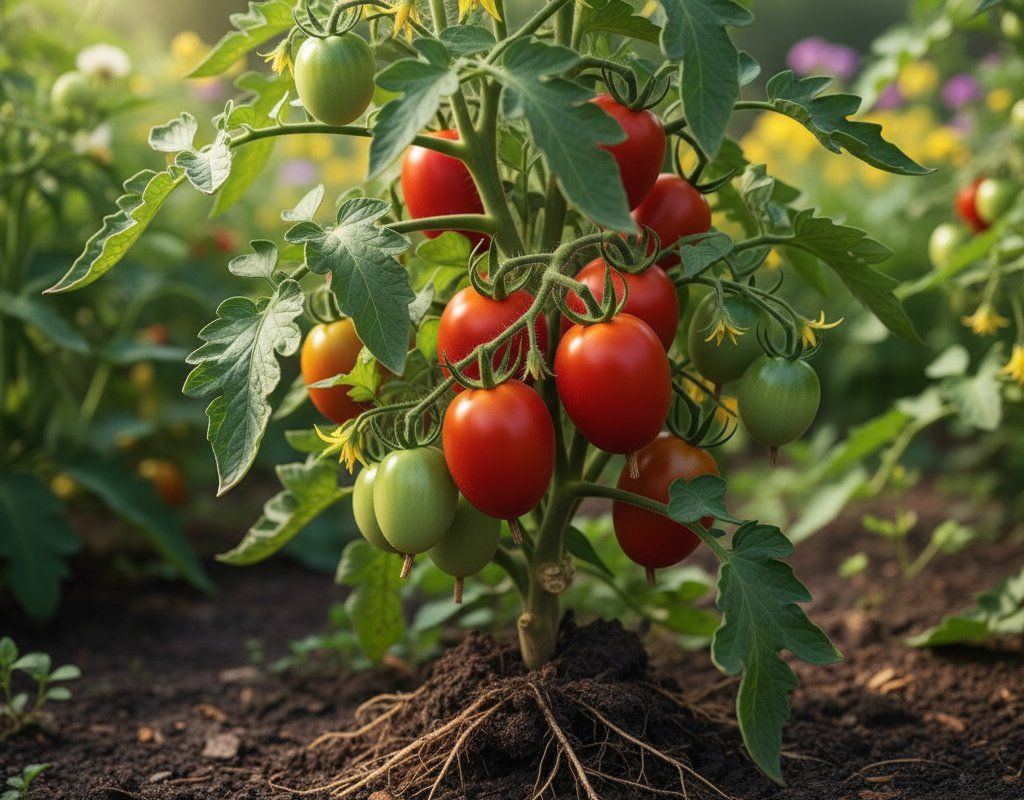
Roma Tomatoes in Zone 10B — Florida
Solanum lycopersicum · Your Complete 2026 Planting Guide
Check Planting Details Below
See the full planting guide for timing information.
How to Plant Roma Tomatoes in Zone 10B — Florida
Here are all your options for getting roma tomatoes in the ground, from the easiest method to more advanced approaches.
Start Seeds Indoors
RecommendedEarly to late December
around December 8
Then transplant: Mid January through mid February
Start seeds 6-8 weeks before transplanting outdoors.
Buy Starts
Works WellMid January through mid February
around January 19
Plant purchased starts after last frost (January 5).
Direct Sow Seeds
ChallengingDirect sowing is not typical for Roma Tomatoes.
Transplant Outdoors
Timing InfoMid January through mid February
around January 19
Wait until nighttime temperatures stay above 50°F.
You have a nice window — no need to rush.
Overview
Roma tomatoes are a Florida gardener's dream for sauce-making and preserving, producing meaty, paste-type fruit that concentrates beautifully into thick sauces without the excess water of slicers. In our subtropical climate, these determinate plants mature their entire crop within a focused window, giving you pounds of uniform fruit perfect for canning during our mild winter harvest season. The thick walls and low seed content make them ideal for sun-drying too, taking advantage of our intense Florida sun.
Growing Roma tomatoes here means working with our reversed seasons – you'll be starting seeds during December's cool nights while northern gardeners are deep in winter planning. Our extreme humidity and sandy soils present challenges, but the 360-day growing season gives you flexibility to time plantings perfectly. Start them right, and you'll harvest baskets of meaty fruit just as spring warmth arrives.
Starting Seeds Indoors
Start your Roma tomato seeds indoors during early to late December, about six weeks before you plan to transplant them outside. In Florida's reversed growing calendar, this indoor period coincides with our coolest weather, making it easier to maintain the consistent temperatures seeds need for strong germination.
Set up seed trays in a warm spot that stays between 70-80°F – a heating mat helps during those occasional cold snaps we get in December and January. Use quality seed starting mix and keep it consistently moist through bottom watering, which prevents the fungal issues that love our humid climate. Place trays under grow lights or in a sunny south-facing window, giving seedlings 12-14 hours of light daily.
Once seedlings develop their first true leaves, thin to the strongest plants and begin weekly feeding with diluted liquid fertilizer. The goal is sturdy, compact seedlings ready for transplanting when night temperatures consistently stay above 50°F in mid-January through mid-February.
Transplanting Outdoors
Transplant your Roma seedlings outdoors from mid-January through mid-February, when nighttime temperatures consistently stay above 50°F and the threat of our occasional winter cold snaps has passed. This timing puts fruit production right in our sweet spot before summer heat arrives.
Start hardening off seedlings a week before transplanting by gradually exposing them to outdoor conditions. Begin with just a few hours of morning sun, then increase daily until they're spending full days outside. This process prevents transplant shock and helps them adjust to Florida's intense UV levels and humidity.
Space plants 24-36 inches apart in well-draining soil – our sandy soils make drainage less of a concern than in other regions, but good spacing helps air circulation in our humid climate. Plant slightly deeper than they were in containers, burying part of the stem to encourage strong root development. Water thoroughly after transplanting and consider temporary shade cloth during the first week if we're having an unusually warm spell.
Watering Roma Tomatoes in Zone 10B (Florida)
Roma tomatoes need consistent, deep watering throughout their growing season, and this becomes especially critical in Florida's climate extremes. During the cooler growing months of winter and early spring, aim for about 1-1.5 inches of water weekly, checking soil moisture with the finger test – stick your finger 2 inches deep, and water when it feels dry at that depth.
As temperatures climb toward our typical 93°F summer highs, increase watering frequency but avoid overhead sprinklers that promote fungal diseases in our very high humidity. Water at the base of plants early morning to give foliage time to dry before evening. Our 50-65 inches of annual rainfall means you'll need to adjust for wet periods, but don't rely on summer thunderstorms alone – they're often too erratic for the consistent moisture Roma tomatoes demand.
Inconsistent watering is Roma tomatoes' biggest enemy, causing the blossom end rot that ruins those beautiful paste fruits you're growing them for. The elongated shape of Roma fruit makes them particularly susceptible to calcium deficiency triggered by drought-flood cycles. Mulch heavily with organic matter to buffer moisture swings in our sandy soils.
Watch for signs of water stress: wilting during the heat of the day (normal), wilting in morning or evening (needs water), yellowing lower leaves (often overwatering in our humid climate), or dark patches on fruit bottoms (classic blossom end rot from inconsistent moisture). In Florida's intense heat and humidity, maintaining that moisture balance takes attention but pays off with perfect paste tomatoes.
Supporting Your Roma Tomatoes
Roma tomatoes benefit from support despite their determinate growth habit, as the concentrated fruit load can cause branches to break under weight. Install tomato cages or stakes at planting time – determinate varieties like Roma don't need the tall supports that indeterminate types require, so standard 3-4 foot cages work perfectly.
Choose sturdy cages that won't topple in our summer thunderstorms and occasional hurricane-force winds. Wire cages are preferable to flimsy store-bought versions, or use wooden stakes with soft ties to secure main stems. The compact growth habit means you won't be doing much training, but gently guide branches through cage openings as fruit develops.
Since Roma tomatoes set their entire crop within a few weeks, that concentrated harvest puts extra stress on branches. Good support prevents fruit from touching the ground where it's vulnerable to rot in our humid conditions, and keeps the plant upright even when loaded with pounds of meaty fruit ready for your sauce pot.
🧪Fertilizing Roma Tomatoes
Feeding Schedule
Organic Fertilizer Options
Harvest Time
Expect your first Roma tomatoes from early April through late May, approximately 75 days from transplanting. The beauty of determinate varieties like Roma is the concentrated harvest – most fruit ripens within a 2-3 week window, perfect for large-batch canning and sauce-making projects.
Roma tomatoes are ready when they show deep red color throughout with no green shoulders, and the flesh gives slightly when gently squeezed. The fruit should detach easily from the stem with a gentle twist – if you have to pull hard, give it another few days. Unlike slicing tomatoes, Roma fruit maintains its firm texture even when fully ripe, making it ideal for cooking applications.
Since this is a determinate variety with a concentrated harvest, pick regularly to prevent overloading branches. Roma tomatoes can ripen successfully off the vine if picked when they show the first blush of color, which is helpful as Florida's late December frost approaches. Store green or partially ripe fruit in a cool, dark place where they'll continue ripening for weeks.
As first frost threatens in late December (if you're pushing the season), harvest all remaining fruit regardless of ripeness. Green Roma tomatoes work well for fried green tomatoes or can be processed into green tomato relish, while those showing color will ripen indoors over the following weeks.
Common Problems in Zone 10B (Florida)
Blossom End Rot Look for dark brown or black leathery patches on the bottom (blossom end) of your Roma fruit – this often affects the first fruits of the season and is heartbreaking when it hits your paste tomatoes. The sunken, dry appearance starts small but expands as fruit grows, ruining otherwise perfect sauce tomatoes.
This isn't a disease but a calcium deficiency caused by inconsistent watering, which is especially problematic in Florida's sandy soils that drain quickly. Our wet-dry cycles from thunderstorms followed by hot, drying periods create the perfect conditions for this frustrating problem.
Fix it with consistent watering – mulch heavily to maintain even soil moisture and water deeply but less frequently. Don't over-fertilize with nitrogen, which interferes with calcium uptake. Remove affected fruit immediately and focus on consistent care for the remaining harvest.
Early Blight Watch for brown spots with distinctive concentric rings (like a target or bullseye) appearing first on lower leaves, then spreading upward. Leaves yellow and drop, and in Florida's humid conditions, this fungal disease can quickly defoliate your plants if left unchecked.
Early blight thrives in our warm, humid climate, spreading through soil splash onto lower leaves during our frequent thunderstorms. The combination of heat, moisture, and poor air circulation creates ideal conditions for this persistent fungal problem.
Remove affected leaves immediately and destroy them (don't compost). Mulch around plants to prevent soil splash, water at the base rather than overhead, and improve air circulation through proper spacing. Copper-based fungicides can slow the spread, and crop rotation helps prevent buildup in your soil.
Fusarium Wilt This devastating disease starts with wilting on just one side of the plant, then spreads until the entire plant collapses. Yellow leaves begin on one side, and if you cut the stem open, you'll see brown streaks inside. Once it appears, the plant is doomed.
Fusarium is a soil-borne fungus that persists for years and loves Florida's warm soil temperatures. It enters through the roots and clogs the plant's vascular system, making it impossible for water and nutrients to reach the leaves.
There's no cure once a plant is infected – remove and destroy it immediately. Prevention is key: plant resistant varieties marked with 'F' on seed packets, rotate your tomato crops on a 4-year cycle, and consider soil solarization during our hot summers. Raising soil pH above 6.5 also helps suppress this fungus.
Florida Specific Challenges: Our combination of intense heat, very high humidity, and heavy summer rainfall creates a perfect storm for fungal diseases like these. The wet-dry cycles from afternoon thunderstorms stress plants and promote problems like blossom end rot, while our year-round warm temperatures mean many disease organisms never get the cold treatment that kills them off in northern climates.
Best Companions for Roma Tomatoes
Plant these nearby for healthier Roma Tomatoes and better harvests.
View Full Companion Planting Chart →



Companion Planting Details
Plant basil alongside your Roma tomatoes – it naturally repels aphids and thrips while the aromatic oils may help deter some fungal problems in our humid climate. Carrots make excellent companions since their deep taproots don't compete with tomatoes' shallow root system, and parsley attracts beneficial insects that prey on tomato pests. Marigolds planted nearby help control nematodes, which are a persistent problem in Florida's sandy soils and warm temperatures.
Avoid planting brassicas like cabbage or broccoli near your Roma tomatoes, as they're heavy nitrogen feeders that compete for nutrients and can harbor similar pests. Skip fennel entirely – it releases chemicals that inhibit tomato growth, and corn creates too much shade while attracting similar pests like tomato hornworms. In Florida's intense growing conditions, giving your Roma tomatoes the best possible companions helps them thrive despite our climate challenges.
🌸Best Flowers to Plant with Roma Tomatoes
These flowers protect your Roma Tomatoes from pests and attract pollinators for better harvests.
For Pest Control



For Pollinators

Get a Reminder When It's Time to Plant
We'll email you when key planting windows open for your zone.