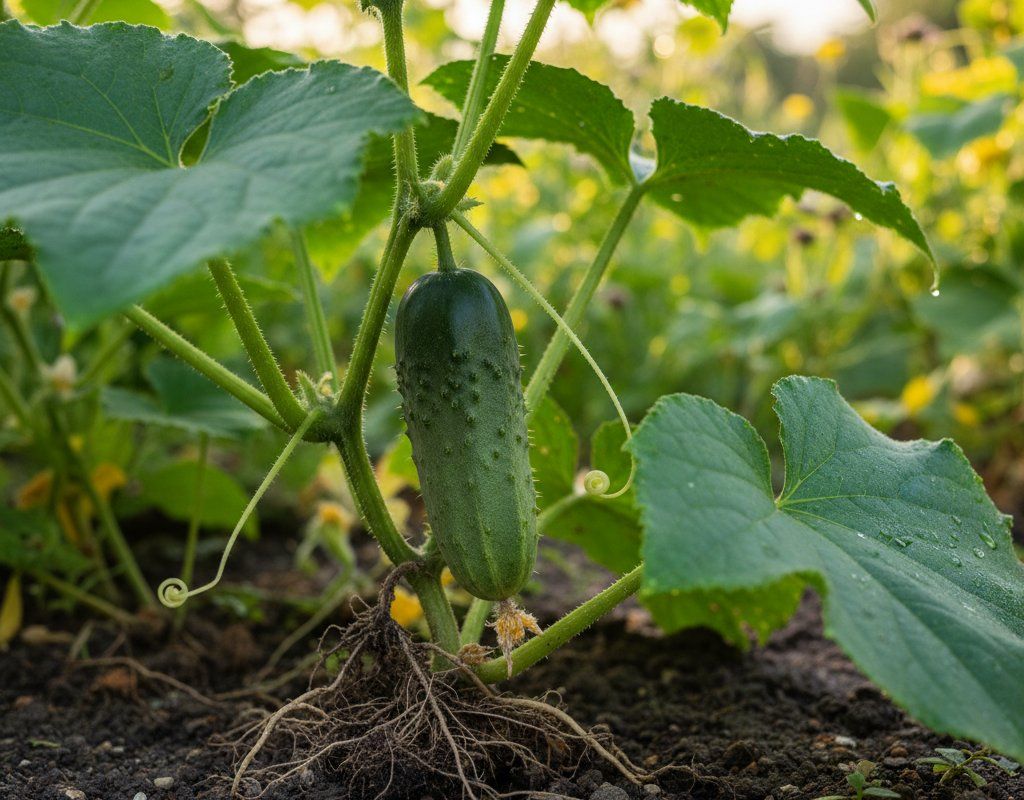
Cucumber in Zone 6B — Mountain West
Cucumis sativus · Your Complete 2026 Planting Guide
Planning Ahead — Great!
You’re ahead of the season. Here’s when to start.
Mark Your Calendar
How to Plant Cucumber in Zone 6B — Mountain West
Here are all your options for getting cucumber in the ground, from the easiest method to more advanced approaches.
Direct Sow Seeds
RecommendedEarly May through late July
around May 2
Consider succession planting every 2-3 weeks for continuous harvest.
Direct sowing is easiest. Start indoors only if you need a head start.
Buy Starts
Works WellEarly May through early June
around May 9
Plant purchased starts after last frost (April 25).
Start Seeds Indoors
Works WellMid April through early May
around April 18
Then transplant: Early May through early June
Start seeds 3-5 weeks before transplanting outdoors.
Start only 3 weeks before transplant — cucumbers grow fast and get rootbound.
Transplant Outdoors
Timing InfoEarly May through early June
around May 9
Wait until nighttime temperatures stay above 50°F.
You have a nice window — no need to rush.
Overview
Growing cucumbers in Zone 6B Mountain West gives you crisp, refreshing fruit that tastes nothing like the waxy store-bought versions. Our intense sunlight and cool nights create exceptional flavor, while the low humidity means less disease pressure than gardeners face in muggy climates. With proper timing, you can harvest fresh cucumbers from late June through your first frost in early October.
Our short 163-day growing season and cold nights even in summer do present challenges for this heat-loving vine. However, cucumbers mature quickly at 55 days, and direct sowing works beautifully once soil warms. The key is waiting for consistently warm weather and providing consistent water in our dry climate.
Starting Seeds Indoors
Starting cucumber seeds indoors makes sense if you want to maximize your short growing season or get a jump on summer harvests. Start seeds mid-April through early May, about 3 weeks before your planned transplant date. Cucumbers grow fast and get rootbound quickly, so resist starting them too early.
Use seed trays with good drainage and keep them warm — around 70-75°F for best germination. Bottom watering works well to avoid disturbing the seeds and prevents damping-off. Once seedlings emerge, they need bright light to stay stocky.
Remember that our Mountain spring starts late and can be unpredictable. Indoor starting gives you control over timing, but direct sowing is actually easier and often just as productive since cucumbers establish quickly in warm soil.
Transplanting Outdoors
Transplant cucumber seedlings outdoors from early May through early June, once nighttime temperatures consistently stay above 50°F. In our Mountain climate, this timing aligns with when soil has warmed sufficiently and the risk of late frost has passed.
Harden off seedlings gradually over a week, starting with just an hour of morning sun and building up to full outdoor conditions. Our intense UV can shock tender seedlings, so introduce them slowly. Space transplants 36-60 inches apart — they'll need that room once they start vining.
Watch for late spring temperature swings that can stress young plants. Having row covers ready helps protect transplants during unexpected cold snaps. Plant in well-draining soil since our spring can bring heavy rains followed by dry spells.
Direct Sowing
Direct sowing is the recommended method for cucumbers in our Mountain region. Sow seeds from early May through late July, once soil temperature reaches at least 60°F. Our warm days and intense sunlight heat soil quickly once weather settles.
Prepare planting areas by working compost into the soil to improve water retention — crucial in our dry climate. Plant seeds 1 inch deep and space them 36-60 inches apart, or plant in hills with 3-4 seeds per hill. The wide spacing accommodates their vigorous spreading habit and improves air circulation.
Late plantings in July still work well since cucumbers mature in just 55 days, giving you harvest time before early October frost. Direct-sown plants often outperform transplants since they avoid transplant shock and develop stronger root systems right from the start.
Watering Cucumber in Zone 6B (Mountain West)
Cucumbers are 95% water and need consistent moisture throughout the growing season — challenging in our dry Mountain climate with only 10-20 inches of annual rainfall. They require about 1-2 inches of water per week, delivered deeply to encourage deep root growth.
Check soil moisture with the finger test: stick your finger 2 inches deep near the base of plants. If it's dry, it's time to water. In our low humidity and intense sun, you'll likely need to water every 2-3 days during peak summer. Water at soil level rather than overhead to conserve water and prevent leaf diseases.
Watch for signs of water stress: wilting during the heat of the day (even with adequate soil moisture), slow growth, or bitter-tasting fruit. Drought stress triggers cucurbitacin production, making fruit unpleasantly bitter. Conversely, overwatering in our clay-heavy soils can cause root rot and yellowing leaves.
Mulch around plants with 2-3 inches of straw or grass clippings to retain moisture and moderate soil temperature. This is especially important in our climate where soil can dry out quickly between waterings and temperature swings stress plants.
Supporting Your Cucumber
Trellising cucumbers works exceptionally well in our Mountain climate, improving air circulation and making the most of your limited growing space. Install a 6-foot trellis or fence at planting time — cucumber vines can reach 6-8 feet long and become quite heavy.
A-frame trellises, cattle panels, or even strong tomato cages work well for support. The vertical growth improves air circulation, which reduces disease pressure in our sometimes humid summer mornings. Plus, trellised cucumbers produce straighter fruit that's easier to harvest and less prone to rot from ground contact.
Train vines up the support by gently weaving young growth through the trellis or tying with soft cloth strips. Start training when plants are about 12 inches tall. You can also let cucumbers sprawl on the ground if you have space, but trellising definitely maximizes production in smaller areas.
🧪Fertilizing Cucumber
Feeding Schedule
Organic Fertilizer Options
Harvest Time
Expect your first cucumbers from late June through early July, about 55 days after planting. In our Mountain growing season, this timing works perfectly to give you continuous harvests through early October before frost ends production.
Harvest cucumbers when they're firm, dark green, and the appropriate size for your variety — typically 6-8 inches for slicing types. Check plants daily once production starts since cucumbers can go from perfect to oversized in just 2-3 days during our warm summer weather. Cut (don't pull) fruits from the vine using a knife or pruning shears.
Keep harvesting regularly to maintain production. Leaving overripe cucumbers on the vine signals the plant to stop producing new fruit. Pick off any yellowing or oversized fruits even if you can't use them — this keeps the plant focused on producing tender new cucumbers.
As early October approaches and nights get consistently cold, harvest any remaining fruits regardless of size. Green cucumbers won't ripen off the vine, but small ones are still usable for pickles or salads. A light frost will kill the vines, ending your cucumber season.
Common Problems in Zone 6B (Mountain West)
Powdery Mildew White or grayish powdery coating appears on leaves, stems, and sometimes fruit. Leaves curl, yellow, and eventually die back, reducing plant vigor and fruit production. This fungal disease thrives in our Mountain conditions of warm days, cool nights, and moderate humidity from summer afternoon thunderstorms.
The fungus actually prefers dry leaf surfaces, making it different from most plant diseases. Improve air circulation through proper spacing and remove lower leaves that touch the ground. Milk spray (1 part milk to 9 parts water) works surprisingly well as prevention. Neem oil or potassium bicarbonate sprays help control active infections.
Cucumber Beetles Small yellow-green beetles with black spots or stripes feed on leaves and flowers, creating small holes throughout the plant. More seriously, they transmit bacterial wilt disease that causes plants to wilt suddenly and die. These pests are particularly active in our warm, dry summer conditions.
Use row covers until plants begin flowering, then remove for pollination. Hand-pick adults in early morning when they're sluggish. Yellow sticky traps help monitor and reduce populations. For severe infestations, neem oil or pyrethrin sprays provide control. Interplant with radishes which serve as trap crops.
Bitter Fruit Cucumbers taste bitter, especially near the stem end, making them unpalatable despite looking normal. This happens when plants produce excess cucurbitacin, often triggered by water stress, temperature extremes, or uneven watering — all common in our climate with intense sun and dry conditions.
Maintain consistent soil moisture and avoid letting plants get drought-stressed between waterings. Harvest regularly since oversized fruit becomes increasingly bitter. Choose 'burpless' or bitter-free varieties for your climate. If bitterness occurs, peel from the blossom end toward the stem to minimize the bitter compounds.
Mountain West Specific Challenges Our intense UV, low humidity, and temperature swings create unique stresses for cucumbers. The combination of hot days and cool nights can trigger stress responses, while our alkaline soils may tie up nutrients. Consistent watering becomes even more critical here, and providing some afternoon shade during the hottest part of summer can help prevent stress-related problems.
Best Companions for Cucumber
Plant these nearby for healthier Cucumber and better harvests.


Keep Away From
Companion Planting Details
Beans make excellent cucumber companions since they fix nitrogen in the soil, feeding heavy-feeding cucumbers naturally. Corn provides natural trellising for vining cucumbers and creates beneficial microclimates with filtered shade during our intense midday sun. Peas planted early can occupy space before cucumbers spread, making efficient use of garden beds.
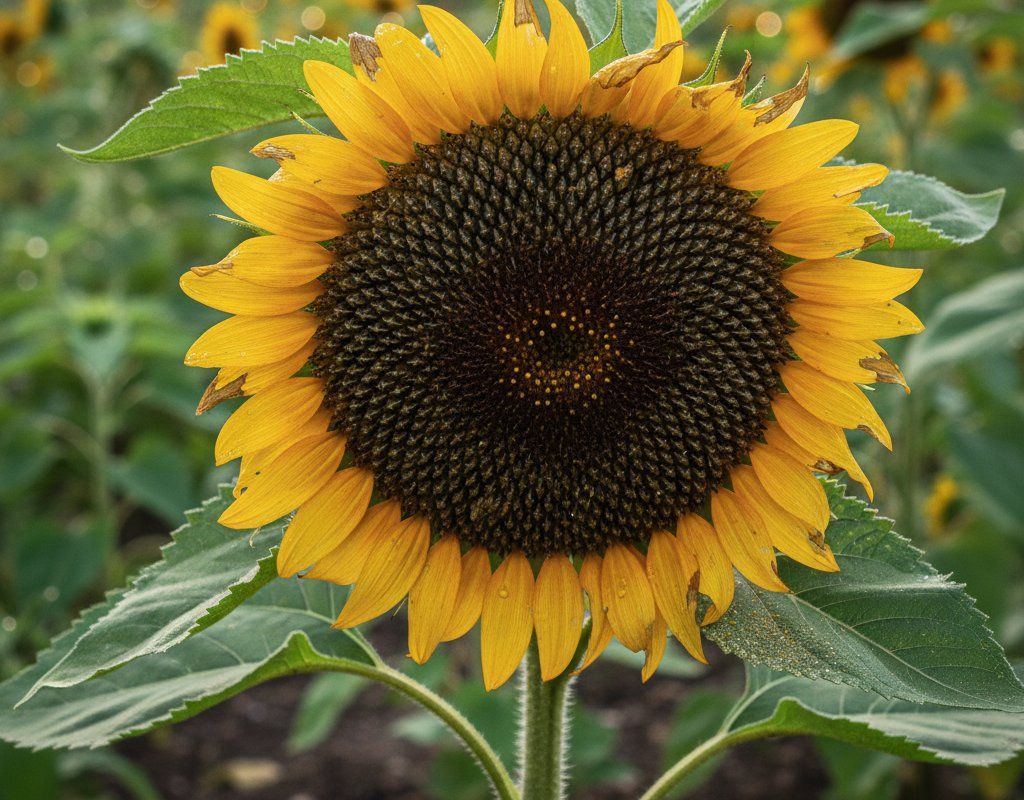
Radishes serve double duty as both space-fillers and pest deterrents — they mature quickly before cucumbers need the space and help repel cucumber beetles. Sunflowers planted nearby can provide afternoon shade and windbreak protection from our sometimes severe thunderstorms and hail. Avoid planting near potatoes, which compete for similar nutrients, or aromatic herbs like sage and rosemary that may inhibit cucumber growth.
🌸Best Flowers to Plant with Cucumber
These flowers protect your Cucumber from pests and attract pollinators for better harvests.
For Pest Control







Get a Reminder When It's Time to Plant
We'll email you when key planting windows open for your zone.