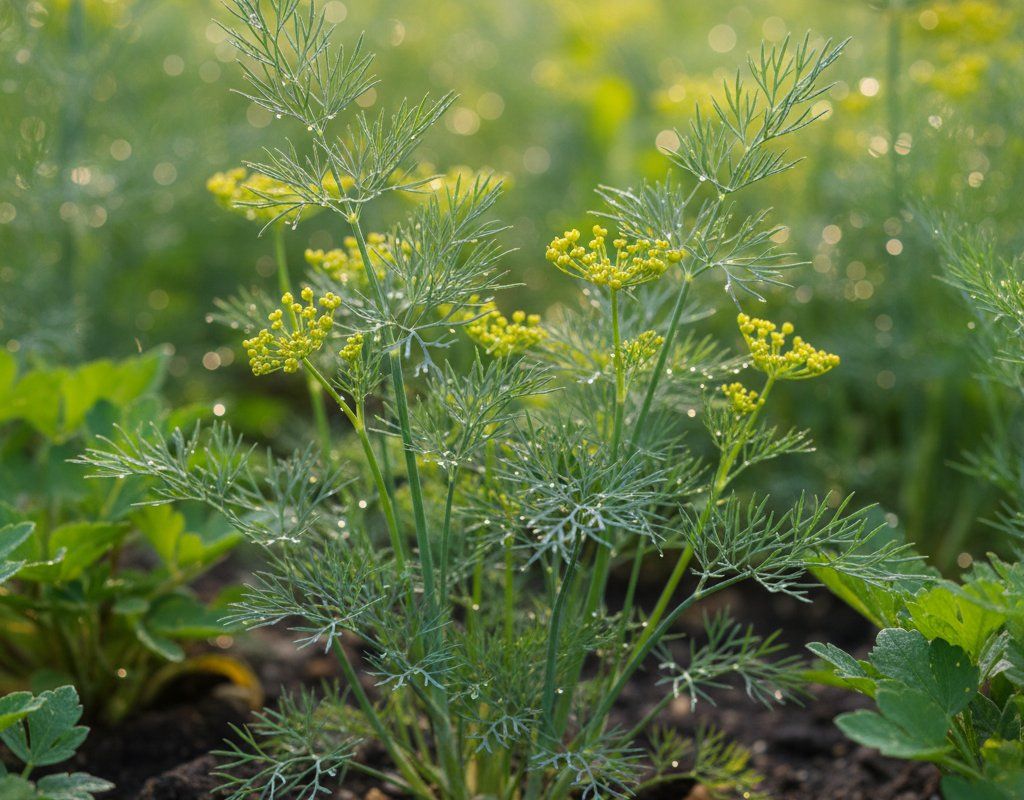
Dill in Zone 6A — Pacific Northwest
Anethum graveolens · Your Complete 2026 Planting Guide
Planning Ahead — Great!
You’re ahead of the season. Here’s when to start.
Mark Your Calendar
How to Plant Dill in Zone 6A — Pacific Northwest
Here are all your options for getting dill in the ground, from the easiest method to more advanced approaches.
Direct Sow Seeds
RecommendedEarly May through mid August
around May 10
Consider succession planting every 2-3 weeks for continuous harvest.
Dill has a taproot and prefers direct sowing, but transplants work if handled carefully.
Start Seeds Indoors
RecommendedMid April through early May
around April 19
Then transplant: Mid May through late June
Start seeds 4-6 weeks before transplanting outdoors.
Buy Starts
Works WellMid May through late June
around May 17
Plant purchased starts after last frost (May 10).
Transplant Outdoors
Timing InfoMid May through late June
around May 17
Can tolerate light frost, but wait for soil to be workable.
You have a nice window — no need to rush.
Fall Planting
Early August through early September
August 24 ideal · Direct sow for fall harvest
Plant a second crop in mid-summer for fall harvest. Dill actually prefers the cooling temperatures of fall.
Overview
Dill thrives in our Pacific Northwest climate, offering that distinctive feathery flavor that makes homemade pickles and summer salads shine. Our mild summers and cool nights actually work in dill's favor—this herb prefers steady, moderate temperatures over blazing heat, making it much easier to grow here than in hotter regions. You'll find both the delicate leaves (dill weed) and the aromatic seeds incredibly useful in the kitchen, from fresh salmon dishes to preserving your cucumber harvest.
While our cool, wet springs can delay getting started and our short growing season means planning ahead, dill's hardy nature and quick 40-day maturity work perfectly within our 148-day growing window. The key is timing your sowings to avoid the wettest spring weather while taking advantage of our extended fall season for multiple harvests.
Starting Seeds Indoors
Starting dill indoors isn't the most common approach, but it gives you a head start during our characteristically slow spring. Start seeds mid-April through early May, about four weeks before you plan to transplant outdoors. This timing helps you get around those overcast spring days when direct-sown seeds might struggle in cool, wet soil.
Set up your seeds in standard seed trays with good drainage, keeping soil temperature around 60-65°F. Bottom watering works especially well for dill since the seeds are small and can wash away easily with overhead watering. Provide good light once they germinate—a sunny south window or grow lights will keep seedlings from getting leggy.
Keep in mind that dill has a taproot and doesn't love root disturbance, so handle transplants gently. Many PNW gardeners find direct sowing more reliable once soil conditions improve in late spring.
Transplanting Outdoors
If you've started dill indoors, plan to transplant mid-May through late June, once our last frost risk has passed and soil has warmed up. Spend a full week hardening off your seedlings—our cool nights can shock indoor-grown plants even in late spring. Start with just an hour or two outside in a sheltered spot, gradually increasing exposure.
Space transplants 12 inches apart in well-draining soil. Dill's taproot means you'll want to disturb the roots as little as possible during planting. Handle the root ball gently and plant at the same depth they were growing indoors.
Our typical spring weather during transplant season—mild days with occasional cool, wet spells—actually helps transplants establish without heat stress. Just watch for late cold snaps that can still surprise us through mid-May.
Direct Sowing
Direct sowing is often the preferred method for dill since it avoids disturbing that sensitive taproot. You can sow from early May through mid-August, giving you multiple opportunities for fresh harvests. Wait until soil temperature reaches at least 55°F consistently—usually by early May in our area.
Prepare a sunny spot with loose, well-draining soil. Dill seeds are small, so scatter them lightly and barely cover with soil—about 1/4 inch deep. Thin seedlings to 12 inches apart once they're a few inches tall. The mild nature of our summers means you can succession plant every 2-3 weeks through mid-summer for continuous harvests.
Our dry summer months are ideal for germination since dill seeds can rot in consistently wet soil. The biggest advantage of direct sowing here is avoiding transplant shock while taking advantage of our naturally moderate growing conditions.
Watering Dill in Zone 6A (Pacific Northwest)
Dill needs moderate, consistent moisture but doesn't tolerate waterlogged soil—perfect for our dry-summer climate pattern. During establishment, water when the top 2 inches of soil feel dry using the finger test. This usually means about 1 inch of water per week during our typical summer conditions.
Our wet springs mean you'll rarely need supplemental water until late May or June. Once our dry season kicks in, focus on deep, infrequent watering rather than daily sprinkles. Water at the base of plants rather than overhead—our dry summer air means less disease pressure, but targeted watering is still more efficient.
Watch for signs of stress during any unexpected warm spells above 85°F. Dill will bolt quickly in heat, so extra water during hot days helps keep plants producing leaves longer. Conversely, yellowing lower leaves often signal overwatering, which can be an issue during our wet spring months.
A thin layer of organic mulch helps retain moisture during our dry months while preventing soil from staying too wet during spring rains. Straw or shredded leaves work well and break down nicely for next season.
🧪Fertilizing Dill
Feeding Schedule
Organic Fertilizer Options
Harvest Time
Your first dill harvest typically arrives mid-June through mid-October, about 40 days from sowing. Start snipping the feathery leaves anytime they're 4-6 inches tall—regular harvesting actually encourages more leaf production. Cut individual fronds at the base rather than shearing the whole plant.
For fresh dill weed, harvest in the morning after dew dries but before the day warms up. The leaves have the best flavor and essential oils at this time. If you're growing dill primarily for seeds, let some plants flower and wait until the seed heads turn brown and dry—usually late summer into early fall.
To harvest seeds, cut the entire seed head into a paper bag and shake gently. Our long, mild fall season gives you plenty of time for seed development if you start plants by mid-summer. This extended harvest window is one of the real advantages of Pacific Northwest growing.
Keep succession planting every few weeks through early August to ensure fresh leaves right up until our first frost in early October. Late-season sowings often produce the most flavorful foliage thanks to our cool fall temperatures.
Common Problems in Zone 6A (Pacific Northwest)
Bolting shows up as a sudden flower stalk shooting up from the center, with leaves becoming bitter and tough. In the Pacific Northwest, this usually happens during unexpected warm spells or if plants get drought-stressed during our dry summer months. Prevent bolting by keeping soil consistently moist, choosing bolt-resistant varieties, and timing plantings for spring or fall rather than mid-summer. Our naturally mild summers help, but even temperatures in the low 80s can trigger bolting in stressed plants.
Aphids appear as clusters of tiny green, black, or white insects on stems and leaf undersides, leaving sticky honeydew residue and causing distorted growth. Our dry summers actually help reduce aphid pressure compared to more humid regions, but populations can still build up on tender new growth. Knock them off with a strong spray from the hose, encourage beneficial insects like ladybugs, or use insecticidal soap for heavy infestations. Avoid over-fertilizing with nitrogen, which makes plants more attractive to aphids.
Caterpillars, particularly those of swallowtail butterflies, love dill and can strip plants quickly. You'll see chewed leaves and dark droppings, plus the caterpillars themselves—often green with black stripes. Hand-picking works well for small infestations, or use Bt (Bacillus thuringiensis) for organic control. Many PNW gardeners plant extra dill specifically to support these beneficial butterflies while protecting their main harvest.
Pacific Northwest Specific Challenges: Our cool, wet springs can cause seed rot if you plant too early in soggy soil, while slug pressure can be significant in the damp conditions. However, our mild summers and dry air during growing season mean less disease pressure overall, and our extended fall season gives you multiple chances for successful crops.
Best Companions for Dill
Plant these nearby for healthier Dill and better harvests.


Keep Away From
Companion Planting Details
Dill makes an excellent companion for cabbage family crops, cucumbers, and onions in Pacific Northwest gardens. Plant it near cabbage, broccoli, or kale to help repel cabbage worms and other pests—the strong scent confuses harmful insects. Cucumbers and dill grow beautifully together, with dill's pest-repelling properties protecting cucumber plants while both crops appreciate similar watering schedules during our dry summers.
Avoid planting dill near carrots, as they can cross-pollinate and affect flavor, or tomatoes, which have different water and nutrient needs. Lettuce works well as a companion since both appreciate our cool spring and fall conditions, and you can harvest both crops continuously. The upright growth habit of dill also provides a bit of shade for heat-sensitive lettuce during warmer periods, making efficient use of garden space in our moderate climate.
🌸Best Flowers to Plant with Dill
These flowers protect your Dill from pests and attract pollinators for better harvests.
For Pest Control




Get a Reminder When It's Time to Plant
We'll email you when key planting windows open for your zone.