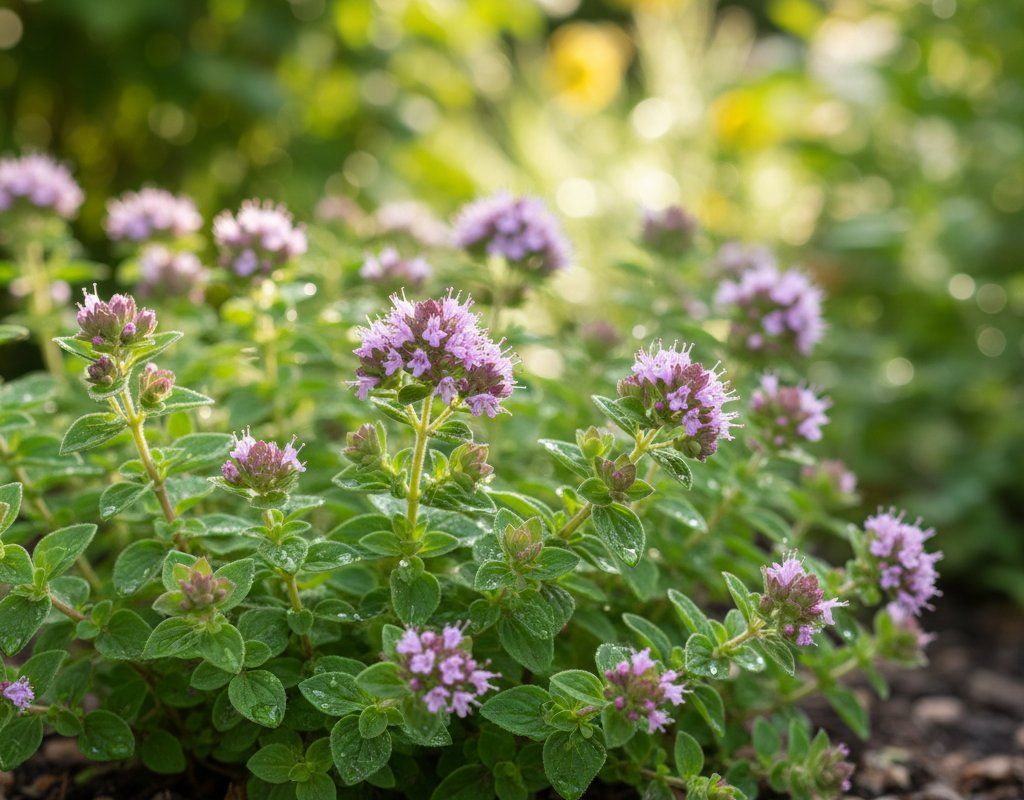
Oregano in Zone 6A — Pacific Northwest
Origanum vulgare · Your Complete 2026 Planting Guide
Planning Ahead — Great!
You’re ahead of the season. Here’s when to start.
Mark Your Calendar
How to Plant Oregano in Zone 6A — Pacific Northwest
Here are all your options for getting oregano in the ground, from the easiest method to more advanced approaches.
Buy Starts
RecommendedEarly May through late June
around May 10
Plant purchased starts after last frost (May 10).
Easy from seed but slow. Starts give faster results.
Start Seeds Indoors
Works WellEarly to late March
around March 15
Then transplant: Early May through late June
Start seeds 8-10 weeks before transplanting outdoors.
Direct Sow Seeds
Works WellEarly May through early August
around May 10
Consider succession planting every 2-3 weeks for continuous harvest.
Transplant Outdoors
Timing InfoEarly May through late June
around May 10
Can tolerate light frost, but wait for soil to be workable.
You have a nice window — no need to rush.
Overview
Oregano thrives in our Pacific Northwest climate, delivering intense Mediterranean flavor that puts store-bought herbs to shame. Our mild summers and cool nights actually concentrate the essential oils that give oregano its punch, while the dry summer months create perfect conditions for this drought-loving herb. You'll find homegrown oregano transforms everything from pizza sauce to roasted vegetables with its robust, earthy flavor.
While our wet springs and cool soil can slow early growth, oregano's hardy nature makes it surprisingly manageable in Zone 6A. With our 148-day growing season, you have plenty of time to establish plants and harvest continuously from late June through our first frost in early October. The key is working with our spring timing rather than against it.
Starting Seeds Indoors
Starting oregano seeds indoors gives you a head start during our characteristically slow Pacific Northwest spring. Sow seeds in early to late March, about 8 weeks before you plan to transplant outdoors. This timing lets you get seedlings established while outdoor soil is still too cool and wet for direct seeding.
Use seed trays with good drainage and keep them warm (70-75°F) for germination. Bottom watering works best to avoid disturbing the tiny seeds and prevents the damping-off issues common during our overcast spring days. Once seedlings emerge, they'll need bright light or grow lights since natural spring light can be limited here.
While oregano grows easily from seed, it's notably slow to establish compared to other herbs. Many PNW gardeners find that purchasing starts gives faster results, especially given our relatively short warm season for herb production.
Transplanting Outdoors
Transplant oregano seedlings outdoors from early May through late June, once soil has warmed and our last frost risk has passed. The early May window works well if you have a warm, protected spot, while late transplants still have time to establish before summer's peak growing period.
Harden off seedlings gradually over a week, starting with just a few hours of outdoor exposure. Our spring weather can be unpredictable, with cool winds and sudden temperature drops that stress tender transplants. Space plants 12-18 inches apart to allow for their spreading habit and ensure good air circulation.
Plant in well-draining soil, as oregano struggles in the heavy clay or waterlogged conditions common in PNW gardens during wet springs. If your soil holds water, consider raised beds or adding compost to improve drainage before transplanting.
Direct Sowing
Direct sowing oregano works well in our climate from early May through early August, though you'll need patience for the slow germination and establishment period. The extended sowing window gives you flexibility to fit oregano into crop rotations or fill gaps in your herb garden throughout the growing season.
Prepare a well-draining seedbed and wait for soil to warm to at least 60°F consistently. Our cool spring soil can delay germination significantly, so mid to late May often works better than the earliest possible dates. Scatter seeds thinly and barely cover them, as oregano needs light to germinate well.
Space final plants 12-18 inches apart, thinning gradually as seedlings develop. Direct-sown oregano takes longer to reach harvestable size compared to transplants, but it often develops stronger root systems that handle our dry summer months better once established.
Watering Oregano in Zone 6A (Pacific Northwest)
Oregano's drought tolerance makes it perfectly suited to our dry summer climate, but establishment watering is crucial during the first month after planting. Water newly planted oregano regularly until roots spread beyond the original root ball, then begin reducing frequency to encourage deep root development.
Once established, oregano needs minimal water during our typical dry summers. Check soil moisture by pushing your finger 2 inches deep near the plant base – if it's dry, water deeply but infrequently. Most established oregano needs only 1/2 to 3/4 inch of water weekly during our mildest summer heat, and often less during cooler periods.
Overwatering actually works against you with oregano, diluting the essential oils that give it flavor and making plants susceptible to root rot. Our naturally dry summer humidity helps prevent foliar diseases, so you can water at the base or use overhead watering without major issues. Just avoid watering late in the day if cool, humid conditions are forecast.
Light mulching helps retain soil moisture during our dry months, but keep mulch a few inches away from plant stems to prevent moisture buildup around the crown. Pine needles work well in our region, providing gentle acidity that oregano tolerates while allowing good drainage.
Pruning & Maintaining Oregano
Oregano requires minimal pruning, but strategic cuts keep plants productive and prevent them from becoming woody. Pinch or cut back flowering stems regularly to maintain leaf production, as flowers signal the plant to reduce new growth and can make leaves slightly bitter.
Cut established plants back by about one-third in midsummer, typically mid to late July, to encourage fresh growth and keep the spreading habit under control. This timing gives plants plenty of time to regrow before our growing season ends. Make cuts just above a set of leaves to encourage branching.
In late fall, around mid to late October after our first frost, cut plants back to about 2 inches from ground level. This helps prevent snow damage during occasional winter storms and encourages vigorous spring growth. Oregano's hardy nature means it reliably returns from these low cuts in our Zone 6A climate.
🧪Fertilizing Oregano
Feeding Schedule
Organic Fertilizer Options
Harvest Time
You can begin harvesting oregano sprigs once plants reach 4-6 inches tall, typically by late June in the Pacific Northwest. The most flavorful leaves develop just before plants flower, when essential oils are most concentrated. Our cool nights actually help maintain these oil levels better than in hotter climates.
Cut stems just above a pair of leaves, taking no more than one-third of the plant at any harvesting session. This allows continuous regrowth throughout our growing season. Morning harvesting, after dew has dried but before the day warms up, captures peak oil content in the leaves.
Oregano produces continuously from late June through mid-October, giving you months of fresh herbs. Regular harvesting actually encourages more growth, so don't hesitate to cut what you need for cooking. The spreading habit means established plants can handle frequent cutting without stress.
As our first frost approaches in early October, harvest heavily for drying or freezing. Cut entire stems and dry them in small bundles, taking advantage of our typically dry early fall weather. Plants will die back to the ground after frost but return reliably the following spring.
Common Problems in Zone 6A (Pacific Northwest)
Root Rot Root rot appears as yellowing lower leaves, stunted growth, and plants that wilt despite moist soil. Affected roots turn black or brown and feel mushy when examined. This problem often develops during our wet spring months when soil stays saturated longer than oregano prefers, or in poorly draining clay soils common in the Pacific Northwest. Prevent root rot by ensuring excellent drainage – amend heavy soil with compost or grow in raised beds. Once established, reduce watering frequency and water only when the top 2 inches of soil feel dry.
Aphids Look for clusters of tiny, soft-bodied insects in green, black, or white on stems and leaf undersides. You'll notice sticky honeydew residue and curled or distorted new growth on affected plants. Aphids multiply rapidly during warm weather and are often tended by ant colonies that harvest their honeydew secretions. Knock them off with strong water sprays from your hose, which works well in our relatively dry summer conditions. Encourage natural predators like ladybugs and lacewings by planting diverse flowers nearby, or use insecticidal soap for heavy infestations.
Spider Mites Fine stippling appears on leaves as tiny white dots, followed by fine webbing on leaf undersides and between stems. Leaves eventually turn bronze or yellow as damage progresses. These microscopic arachnids thrive during hot, dry conditions and multiply quickly when plants are drought-stressed. Combat spider mites with daily strong water sprays for a week, which is highly effective and takes advantage of our good water pressure. Increase humidity around plants by grouping them together, and avoid broad-spectrum pesticides that kill the beneficial predatory mites that naturally control them.
Pacific Northwest Specific Challenges Our mild summer heat and dry conditions actually favor oregano over many other regions, reducing most pest and disease pressures. However, slugs can damage young plants during wet spring weather, so use beer traps or diatomaceous earth around new transplants. The main challenge is our cool, wet spring soil, which can slow establishment and occasionally cause root issues if drainage isn't adequate.
Best Companions for Oregano
Plant these nearby for healthier Oregano and better harvests.

Keep Away From
Companion Planting Details
Oregano makes an excellent companion for warm-season crops like tomatoes, peppers, and squash in Pacific Northwest gardens. Its strong scent helps deter aphids and other soft-bodied insects that commonly attack these plants, while its low water needs complement the reduced watering these heat-lovers prefer during our mild summers. Plant oregano around the edges of tomato beds or between pepper plants to maximize this protective effect.
Beans also pair well with oregano since both prefer well-draining soil and minimal fertilization – oregano's presence can help improve soil structure as its roots break up compacted areas. Avoid planting oregano near moisture-loving herbs like mint or cilantro, as their conflicting water needs make management difficult in our climate where summer irrigation timing is crucial for both plant health and water conservation.
🌸Best Flowers to Plant with Oregano
These flowers protect your Oregano from pests and attract pollinators for better harvests.
For Pest Control



Get a Reminder When It's Time to Plant
We'll email you when key planting windows open for your zone.