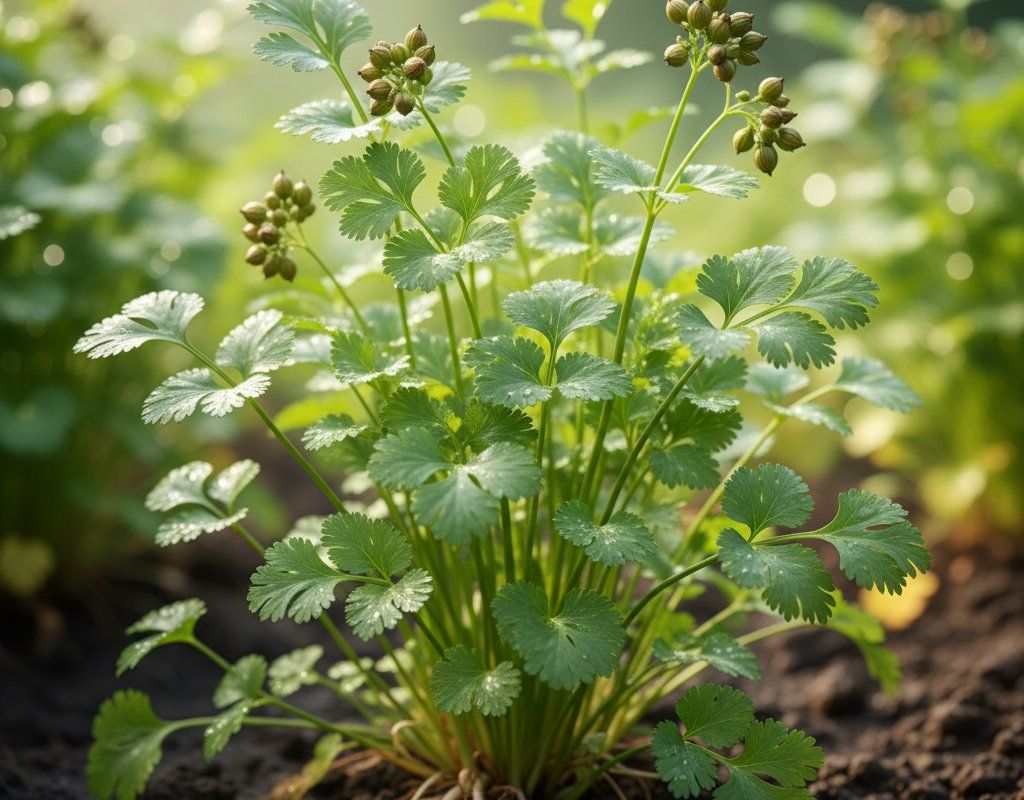
Cilantro in Zone 6A — Pacific Northwest
Coriandrum sativum · Your Complete 2026 Planting Guide
Planning Ahead — Great!
You’re ahead of the season. Here’s when to start.
Mark Your Calendar
How to Plant Cilantro in Zone 6A — Pacific Northwest
Here are all your options for getting cilantro in the ground, from the easiest method to more advanced approaches.
Direct Sow Seeds
RecommendedLate April through early August
around April 26
Consider succession planting every 2-3 weeks for continuous harvest.
Cilantro bolts quickly in heat. Direct sow in cool weather for best results.
Start Seeds Indoors
RecommendedEarly to late April
around April 12
Then transplant: Early May through late June
Start seeds 4-6 weeks before transplanting outdoors.
Buy Starts
Works WellEarly May through late June
around May 10
Plant purchased starts after last frost (May 10).
Transplant Outdoors
Timing InfoEarly May through late June
around May 10
Can tolerate light frost, but wait for soil to be workable.
You have a nice window — no need to rush.
Fall Planting
Early August through early September
August 24 ideal · Direct sow for fall harvest
Plant a second crop in mid-summer for fall harvest. Cilantro actually prefers the cooling temperatures of fall.
Overview
Cilantro thrives in our Pacific Northwest climate, where our mild summers and cool nights create ideal conditions for this heat-sensitive herb. You'll get tender, flavorful leaves that stay productive much longer than gardeners in hotter regions, and the cool temperatures actually intensify cilantro's distinctive flavor. Our dry summer months mean less disease pressure, while the naturally moderate temperatures prevent the quick bolting that plagues cilantro elsewhere.
Our cool springs can slow initial growth, and cilantro will still bolt if we get unexpected warm spells, but timing your plantings right makes this completely manageable. With our 148-day growing season and succession planting every few weeks, you can harvest fresh cilantro from early June through mid-October — a luxury many gardeners can't enjoy.
Starting Seeds Indoors
Starting cilantro indoors isn't essential in our region, but it can give you an earlier harvest when our springs drag on with overcast days. Start seeds in early to late April, about 4 weeks before you plan to transplant outdoors. Our slow spring warmup means indoor starting helps you get ahead of the season.
Set up seed trays with good seed-starting mix and keep them around 65-70°F for germination. Bottom watering works best — cilantro seeds can rot if kept too wet on top. Once seedlings emerge, they need bright light or they'll get leggy fast.
The main advantage here is getting plants established before our brief warm season hits. Indoor-started cilantro transplants often perform better than direct-sown seeds in our variable spring weather.
Transplanting Outdoors
Transplant your cilantro seedlings outdoors from early May through late June, once soil temperatures stay consistently above 50°F. In our region, this timing usually coincides with when the last of our cool, wet spring weather settles into more predictable patterns.
Harden off seedlings gradually over a week by setting them outside for increasing periods daily. Our spring temperature swings can shock tender plants, so this step matters more here than in more stable climates. Space plants 6-8 inches apart to allow good air circulation.
Choose a spot with morning sun and afternoon shade if possible — our mild summers won't stress cilantro like brutal heat elsewhere, but some protection during the warmest part of the day keeps plants producing longer. Plant when soil is workable but not soggy from our typical wet springs.
Direct Sowing
Direct sowing works well in our climate from late April through early August, taking advantage of our naturally cool conditions. Wait until soil temperatures reach at least 50°F and the worst of the spring mud season passes. Our cool soil in spring means seeds may take longer to germinate than expected.
Prepare a bed with loose, well-draining soil enriched with compost. Sow seeds 1/2 inch deep and 6-8 inches apart, or broadcast more densely and thin later. The key advantage of direct sowing here is avoiding transplant shock in our sometimes unpredictable spring weather.
For continuous harvest, succession sow every 2-3 weeks through early August. Our mild summers mean you can keep planting much later than gardeners in hotter regions. Seeds sown in late summer often produce better than spring sowings because they mature during our excellent fall growing conditions.
Watering Cilantro in Zone 6A (Pacific Northwest)
Cilantro needs consistent moisture to prevent bolting, which makes our dry summer months the critical watering period. Unlike gardeners dealing with high humidity and frequent summer storms, you'll need to stay on top of irrigation from June through September. Our typical summer highs around 82°F won't stress cilantro like extreme heat, but combined with dry conditions, plants bolt quickly without adequate water.
Check soil moisture using the finger test — stick your finger 2 inches down, and water when it feels dry at that depth. Cilantro typically needs about 1 inch of water per week during our dry summers. Water at the base rather than overhead; our low summer humidity means less disease risk from wet foliage, but ground-level watering is still more efficient.
Watch for early bolting signs like elongated stems or small flower buds forming — this usually means the plant got too dry. Overwatering shows up as yellowing lower leaves, though this is less common here than in regions with summer rains. A light mulch helps retain moisture during our dry months without creating the slug habitat that heavier mulches can become in our wet seasons.
The beauty of growing cilantro in our climate is that spring and fall often provide enough natural moisture, so intensive watering is mainly a summer concern. Once fall rains return, you can typically reduce watering significantly while plants continue producing well into October.
🧪Fertilizing Cilantro
Feeding Schedule
Organic Fertilizer Options
Harvest Time
Your first cilantro harvest comes around early June if you started with transplants, extending through mid-October thanks to our long, mild fall. Plants started from seed will be ready about 45 days after sowing. Look for leaves that are 6+ inches tall with the characteristic serrated cilantro shape — young leaves have the best flavor.
Harvest by cutting outer stems at the base, leaving the center growing point intact for continued production. Take no more than one-third of the plant at any harvest to keep it productive. In our mild climate, you can often get 3-4 good harvests from each planting before the plant eventually bolts or frost ends the season.
Once you see a flower stalk forming in the center, harvest aggressively — the leaves become bitter once flowering begins. However, don't despair if plants bolt; let them go to seed for fresh coriander, which stores well and adds another dimension to your harvest.
As first frost approaches in early October, harvest remaining plants entirely or cover with row fabric for a few extra weeks of production. Our gradual fall cooldown often extends the cilantro season well beyond what gardeners in harsher climates enjoy.
Common Problems in Zone 6A (Pacific Northwest)
Bolting appears as a thick central stem shooting up with small white flowers, causing leaves to become bitter and tough. In our region, this typically happens when plants experience stress from inconsistent watering during the dry summer months, or when we get unexpected warm spells in late spring or early summer. Even our mild 82°F highs can trigger bolting if plants are water-stressed. Prevent this by maintaining consistent soil moisture, providing afternoon shade during the warmest days, and succession planting every 2-3 weeks rather than relying on single plantings.
Aphids show up as clusters of tiny green, black, or white insects on stems and leaf undersides, often leaving sticky honeydew residue and causing new growth to curl. Our dry summers can actually concentrate these pests since their natural predators may be less active. Look for them especially during warm spells in late spring and early summer. Knock them off with a strong water spray, or encourage beneficial insects like ladybugs. Insecticidal soap works well for heavy infestations, and our low humidity means you can apply treatments without worrying about promoting fungal diseases.
Leaf spot manifests as brown or black spots on leaves, sometimes with yellow halos. While less common in our dry summers than in humid regions, it can develop during our wet springs or if you're overhead watering regularly. The spots typically start on older, lower leaves and spread upward. Improve air circulation by proper spacing, avoid overhead watering when possible, and remove affected leaves promptly. Our naturally dry summer conditions usually prevent this from becoming a major problem.
Pacific Northwest Specific Challenges: Our region's combination of wet springs and dry summers creates unique timing challenges for cilantro. Cool soil in spring delays germination, while our short window of warm weather means you need to maximize productivity quickly. However, our mild heat and low summer humidity actually give us advantages — less disease pressure and extended growing seasons that hot-climate gardeners can't match.
Best Companions for Cilantro
Plant these nearby for healthier Cilantro and better harvests.
Keep Away From

Companion Planting Details
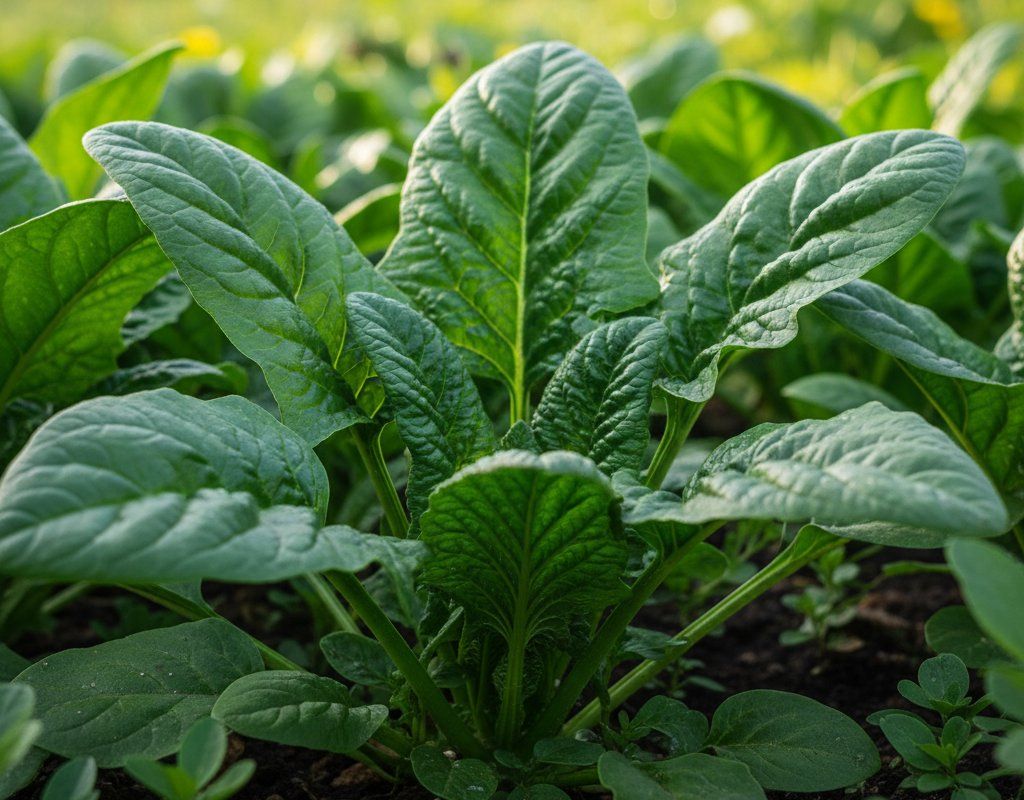
Plant cilantro near tomatoes and peppers — the herbs' strong scent can help deter some pest insects, while the taller plants provide beneficial afternoon shade during our warmest summer days. Spinach makes an excellent companion because both crops thrive in our cool conditions and have similar water needs, plus the cilantro's upright growth doesn't compete with spinach's low rosette. Beans work well too, since they fix nitrogen that benefits the cilantro, and both crops appreciate consistent moisture during our dry summer months.
Avoid planting cilantro near fennel, as fennel can inhibit cilantro's growth and the two herbs can cross-pollinate if allowed to flower, potentially affecting flavor. In our Pacific Northwest gardens where space is often limited and succession planting is key, keeping these incompatible plants separated becomes even more important for maximizing your harvest window.
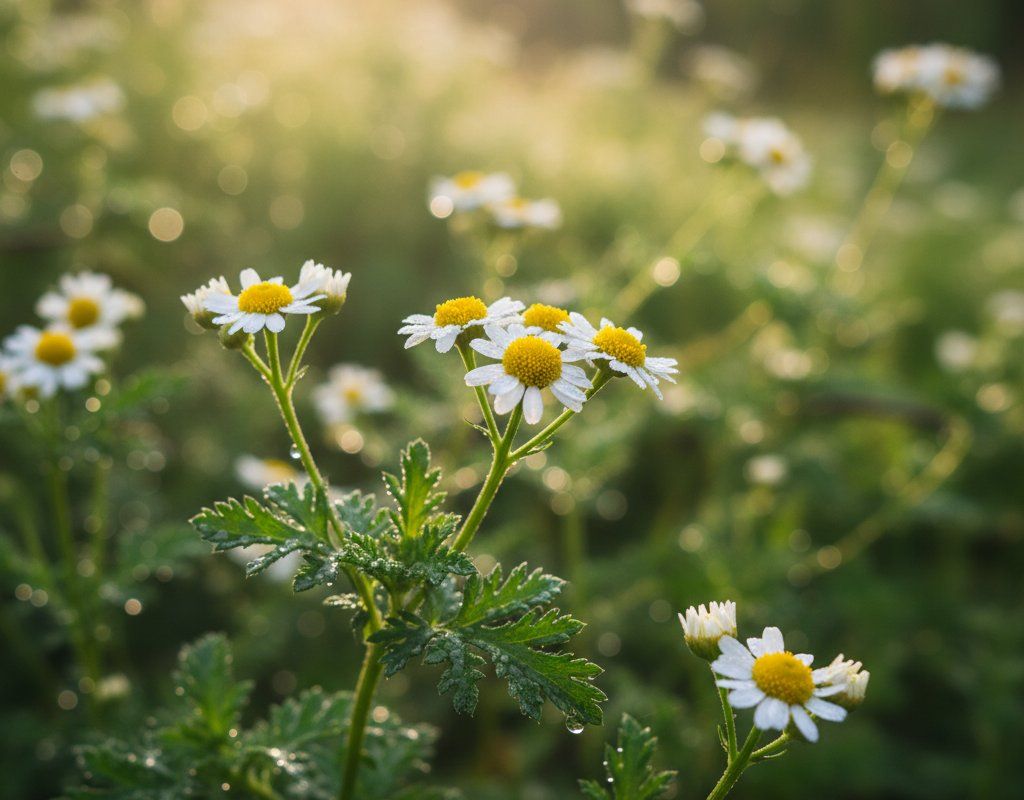
🌸Best Flowers to Plant with Cilantro
These flowers protect your Cilantro from pests and attract pollinators for better harvests.



Get a Reminder When It's Time to Plant
We'll email you when key planting windows open for your zone.