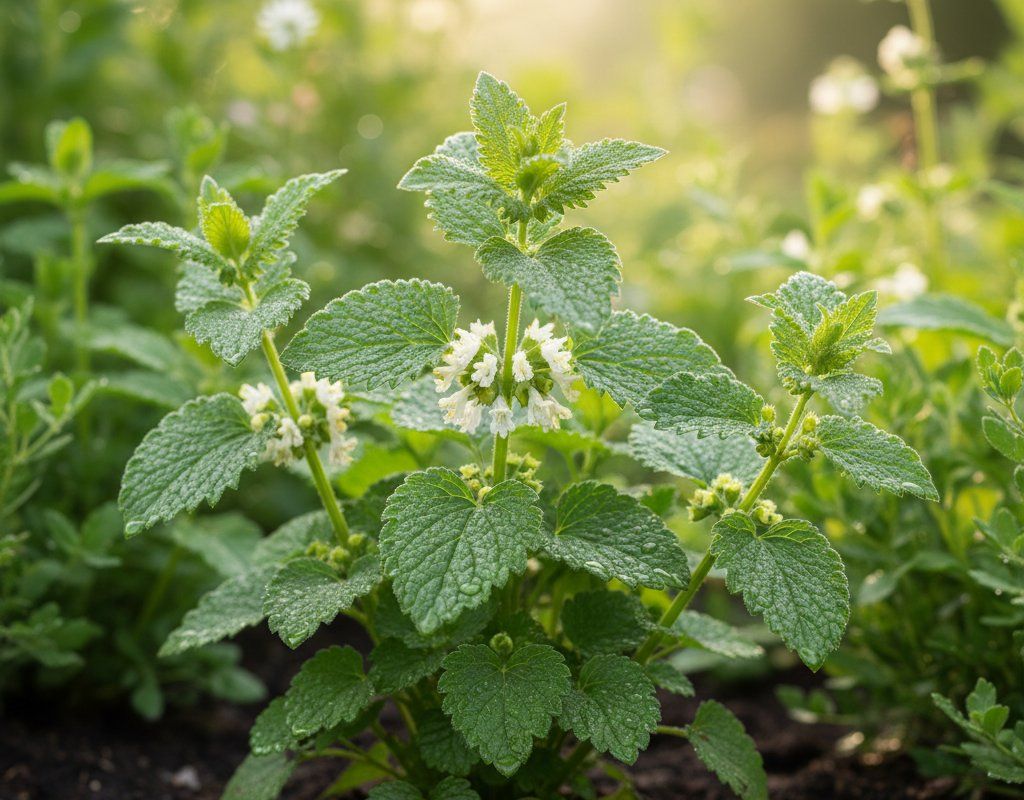
Lemon Balm in Zone 3A — Mountain West
Melissa officinalis · Your Complete 2026 Planting Guide
Planning Ahead — Great!
You’re ahead of the season. Here’s when to start.
Mark Your Calendar
How to Plant Lemon Balm in Zone 3A — Mountain West
Here are all your options for getting lemon balm in the ground, from the easiest method to more advanced approaches.
Direct Sow Seeds
RecommendedEarly to mid June
around June 1
Direct sow as soon as conditions allow.
Start Seeds Indoors
RecommendedMid April through early May
around April 20
Then transplant: Early to mid June
Start seeds 6-8 weeks before transplanting outdoors.
Buy Starts
Works WellEarly to mid June
around June 1
Plant purchased starts after last frost (June 1).
Transplant Outdoors
Timing InfoEarly to mid June
around June 1
Can tolerate light frost, but wait for soil to be workable.
Plan to transplant within a few weeks of your target date.
Overview
Lemon Balm is a delightful herb to grow in our Mountain West gardens. Its lemony scent and flavor brighten teas, salads, and even desserts. Plus, it's incredibly satisfying to harvest fresh herbs despite our short growing season.
Our high altitude, intense sun, and cool nights can be a challenge, but Lemon Balm is surprisingly adaptable. With a 96-day growing season, you'll find that starting seeds indoors and timing your planting just right will reward you with a bountiful harvest.
Starting Seeds Indoors
Starting Lemon Balm indoors gives you a head start on our short season, but it's not always necessary. If you're looking for a larger harvest or want to ensure you get a crop before the first frost, starting indoors is a great option.
Begin starting your seeds indoors from mid-April through early May, about six weeks before you plan to transplant them outdoors. Use seed trays with a good seed-starting mix and keep them in a warm location with plenty of light, either from a sunny window or grow lights. Bottom watering is key to prevent damping off – set the tray in a shallow dish of water and let the soil absorb it from the bottom. Our late springs mean you'll be itching to get those seedlings outside, but patience is key!
Transplanting Outdoors
Transplanting Lemon Balm outdoors should happen in early to mid-June, once the risk of frost has passed. Before transplanting, harden off your seedlings by gradually exposing them to outdoor conditions for about a week. Start with an hour or two of shade and increase the time and sun exposure each day.
Plant your Lemon Balm seedlings 18-24 inches apart in well-drained soil. Keep an eye on the weather forecast, as we can still get unexpected cold snaps or even hail this time of year. Covering your transplants with row covers or cloches will protect them from the elements.
Direct Sowing
Direct sowing Lemon Balm is definitely possible in our Mountain West gardens, but it comes with some trade-offs. You'll need to wait until the soil has warmed up in early to mid-June, which means a later start and a potentially smaller harvest.
Prepare your soil by loosening it and removing any rocks or debris. Sow the seeds thinly, about ¼ inch deep, and keep the soil consistently moist until they germinate. Thin the seedlings to 18-24 inches apart once they're a few inches tall. Direct sowing is easier, but starting indoors gives you more control over the plant's development in our short season.
Watering Lemon Balm in Zone 3A (Mountain West)
Watering Lemon Balm correctly is crucial in our dry Mountain West climate. While it's more tolerant of moisture than some herbs, it's not drought-tolerant and needs consistent watering to thrive.
During the peak of summer (late June through August), when temperatures reach their highest, water your Lemon Balm deeply about 1-2 times per week, providing about 1 inch of water each time. The "finger test" is your friend: stick your finger into the soil about 2 inches deep. If it feels dry, it's time to water. Reduce watering frequency in the cooler spring and fall months.
Water at the base of the plant to avoid wetting the foliage, which can encourage powdery mildew in our low-humidity environment. Mulching around the base of the plant with straw or wood chips helps retain moisture and suppress weeds. Signs of underwatering include wilting leaves and slow growth. Overwatering can lead to yellowing leaves and root rot.
Pruning & Maintaining Lemon Balm
Pruning Lemon Balm is simple but important for maintaining its shape and preventing it from becoming too leggy. Regular pruning also encourages bushier growth and a more abundant harvest.
In midsummer, usually around late July, cut back your Lemon Balm plant by about half. This will encourage new growth and prevent the plant from becoming too woody. Remove any flower stalks as soon as you see them to prevent the plant from self-seeding. Lemon Balm can be quite aggressive, so this helps keep it in check. As the first frost approaches in early September, you can give the plant one final trim to tidy it up before winter.
🧪Fertilizing Lemon Balm
Feeding Schedule
Organic Fertilizer Options
Harvest Time
Harvesting Lemon Balm is one of the joys of growing it in our Mountain West gardens. You can expect your first harvest from early August through mid-September, about 70 days after planting.
The best time to harvest Lemon Balm is before it flowers, as the leaves have the most intense flavor then. Simply snip off the leaves with scissors or pruners, taking care not to damage the plant. Harvest from the top down, leaving the lower leaves to continue growing. Regular harvesting encourages continued production.
As the first frost approaches in early September, harvest as much of the remaining foliage as possible. While Lemon Balm is hardy, the leaves will lose their flavor after a hard freeze. Lemon Balm is best used fresh, but you can also dry or freeze the leaves for later use, though they will lose some of their flavor.
Common Problems in Zone 3A (Mountain West)
Lemon Balm is generally easy to grow, but here are a few common problems you might encounter in our Mountain West gardens:
Aggressive Spreading
- What it looks like: Lemon Balm popping up in unwanted areas of your garden.
- What causes it: Self-seeding and spreading via underground rhizomes. In our intense sunlight, the seeds can spread quite easily.
- How to fix/prevent it: Remove flower stalks before they go to seed. Plant in a container or raised bed to contain the roots. Regularly pull up unwanted seedlings.
Bolting
- What it looks like: Plant sends up a flower stalk prematurely. Leaves become bitter or tough.
- What causes it: Triggered by heat, long days, or drought stress. Our high-altitude sun can intensify these stressors.
- How to fix/prevent it: Plant at the right time for our zone. Provide afternoon shade in warm weather. Keep soil consistently moist.
Powdery Mildew
- What it looks like: White or grayish powdery coating on leaves, stems, and sometimes fruit. Leaves curl, yellow, and die.
- What causes it: Various fungi that thrive in warm days, cool nights, and moderate humidity.
- How to fix/prevent it: Improve air circulation through spacing and pruning. Remove affected leaves. Neem oil or potassium bicarbonate sprays help. Milk spray (1 part milk to 9 parts water) is surprisingly effective.
Mountain West Specific Challenges: Our moderate-at-altitude heat combined with low humidity and dry rainfall can create a perfect environment for powdery mildew if you're not careful. Consistent watering at the base of the plant and good air circulation are key to preventing this problem.
Best Companions for Lemon Balm
Plant these nearby for healthier Lemon Balm and better harvests.
View Full Companion Planting Chart →


Companion Planting Details
Lemon Balm makes a great companion plant for several vegetables in our Mountain West gardens.
Good companions:
- Tomatoes: Lemon Balm repels tomato hornworms and other pests that can damage your tomato crop.
- Squash: The strong scent of Lemon Balm can deter squash bugs and vine borers.
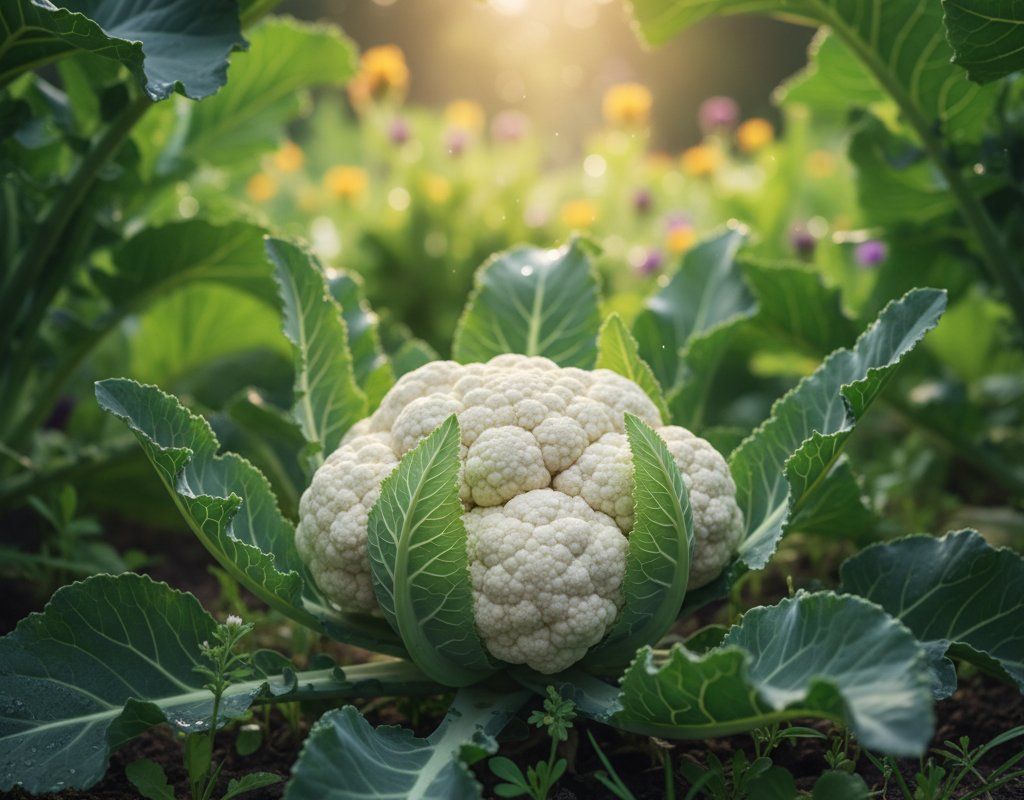
- Broccoli & Cauliflower: Lemon Balm attracts beneficial insects that prey on cabbage worms and other pests that attack these brassicas.
Avoid planting Lemon Balm near plants that require very dry soil conditions, as its moderate watering needs may not be compatible. Because it spreads aggressively, keep it away from delicate or slow-growing plants that might get overwhelmed.
🌸Best Flowers to Plant with Lemon Balm
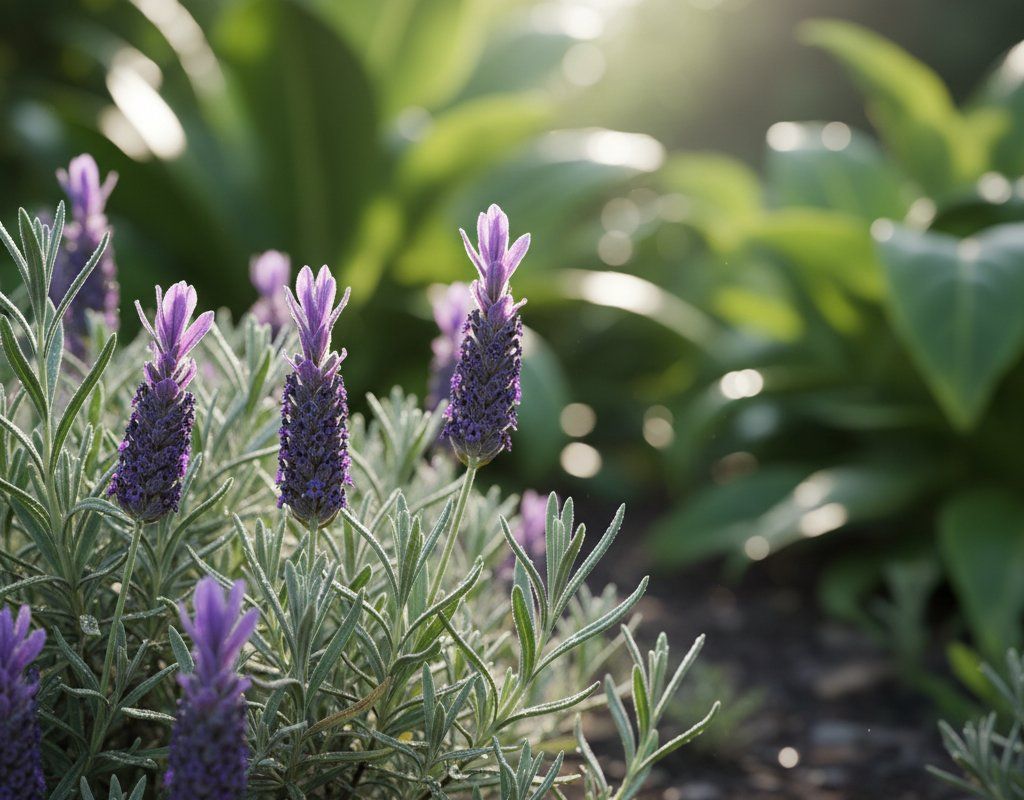
These flowers protect your Lemon Balm from pests and attract pollinators for better harvests.
For Pest Control
For Pollinators


Get a Reminder When It's Time to Plant
We'll email you when key planting windows open for your zone.