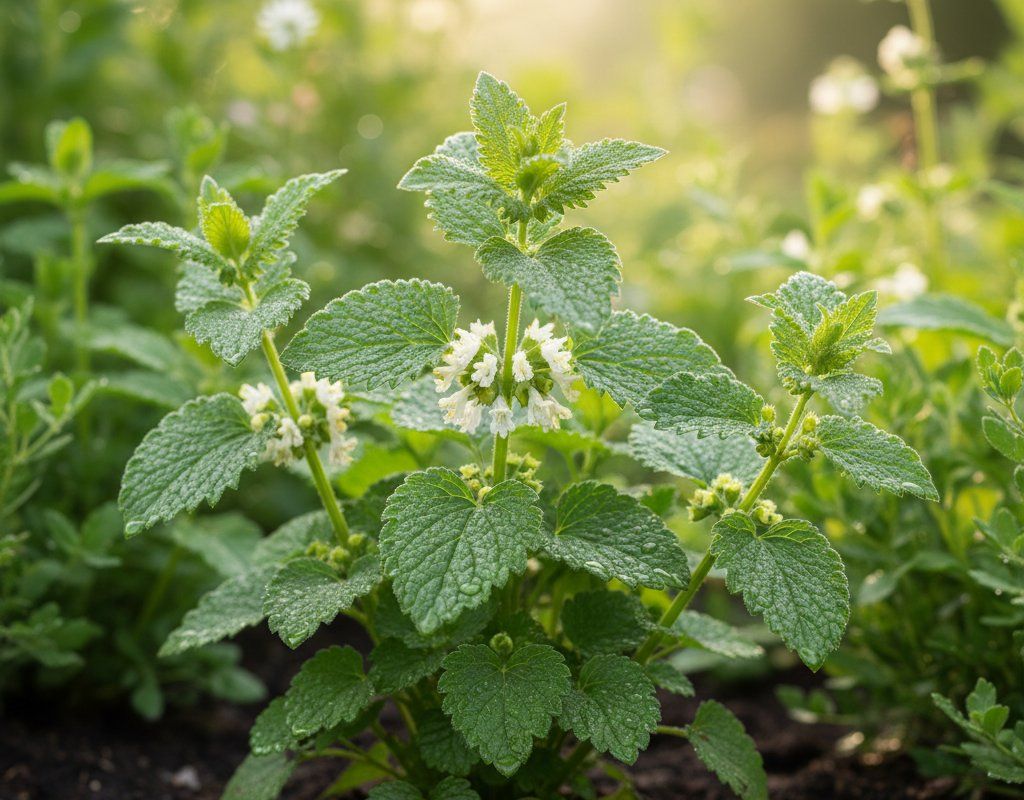
Lemon Balm in Zone 6B — Pacific Northwest
Melissa officinalis · Your Complete 2026 Planting Guide
Planning Ahead — Great!
You’re ahead of the season. Here’s when to start.
Mark Your Calendar
How to Plant Lemon Balm in Zone 6B — Pacific Northwest
Here are all your options for getting lemon balm in the ground, from the easiest method to more advanced approaches.
Direct Sow Seeds
RecommendedEarly May through mid July
around May 1
Consider succession planting every 2-3 weeks for continuous harvest.
Start Seeds Indoors
RecommendedMid March through early April
around March 20
Then transplant: Early to late May
Start seeds 6-8 weeks before transplanting outdoors.
Buy Starts
Works WellEarly to late May
around May 1
Plant purchased starts after last frost (May 1).
Transplant Outdoors
Timing InfoEarly to late May
around May 1
Can tolerate light frost, but wait for soil to be workable.
You have a nice window — no need to rush.
Overview
Lemon Balm is a fantastic herb to grow in the Pacific Northwest. Its lemony fragrance and flavor brighten teas, salads, and even desserts. Plus, it's incredibly satisfying to harvest fresh herbs from your own garden, especially with our cool nights that intensify their flavors.
Our 162-day growing season and wet springs can present some challenges, but with proper timing and care, you can easily enjoy a bountiful harvest of Lemon Balm. Don't worry – it's manageable, and this guide will help you navigate those PNW-specific quirks.
Starting Seeds Indoors
Starting Lemon Balm indoors in the Pacific Northwest isn't always necessary, but it can give you a head start, especially if you want an earlier harvest. Starting seeds indoors from mid-March through early April, about six weeks before transplanting, works well.
Use seed trays with a good seed-starting mix, and keep them in a warm location with plenty of light – a sunny windowsill or under grow lights. I like to bottom water my seed trays to prevent damping off, especially during our overcast spring days.
Transplanting Outdoors
Transplanting Lemon Balm outdoors in early to late May is ideal in our region. Be sure to harden off your seedlings for about a week before transplanting. Gradually expose them to outdoor conditions to prevent shock.
Plant your Lemon Balm seedlings 18-24 inches apart in a spot that gets full sun to partial shade. Keep an eye on the weather forecast – we can still get some chilly nights in May, so be prepared to cover your seedlings if needed.
Direct Sowing
Direct sowing Lemon Balm is a simple and effective method, especially if you have well-draining soil. Sow seeds directly into the garden from early May through mid July, after the soil has warmed up a bit.
Prepare the soil by loosening it and removing any weeds. Sow seeds 18-24 inches apart, lightly cover with soil, and keep the area moist until germination. Direct sowing is less work, but you'll need to be diligent about weeding.
Watering Lemon Balm in Zone 6B (Pacific Northwest)
Lemon Balm needs moderate watering, which can be a bit tricky in the Pacific Northwest. While we have dry summer months, our overall rainfall is significant, and our mild summers mean things don't dry out as quickly as in hotter climates.
During the wet springs, you may barely need to water at all! Once the dry summer months arrive, check the soil moisture regularly. Stick your finger about two inches deep into the soil; if it feels dry, it's time to water. Aim for about 1 inch of water per week, but adjust based on rainfall. Water at the base of the plant to avoid wetting the leaves and promoting fungal diseases, especially as we can get powdery mildew.
Signs of underwatering include wilting leaves, while overwatering can lead to yellowing leaves and root rot. A layer of mulch around your Lemon Balm helps retain moisture and suppress weeds, which is especially helpful during our dry summer months.
Pruning & Maintaining Lemon Balm
Pruning Lemon Balm is pretty straightforward. The main goal is to keep it from getting too leggy and to prevent it from taking over your garden.
In midsummer, cut the plant back by about half to encourage bushier growth. Also, remove any flower stalks as they appear – this prevents the plant from self-seeding aggressively. Towards the end of the season, before our first frost around early October, you can give it one last trim to tidy it up.
🧪Fertilizing Lemon Balm
Feeding Schedule
Organic Fertilizer Options
Harvest Time
You can start harvesting Lemon Balm as early as early July, and continue through mid October, as long as the weather cooperates. The leaves are ready to harvest anytime, but they have the best flavor before the plant starts to flower.
Simply snip off the leaves with scissors or pruning shears. Harvest from the top of the plant to encourage new growth. Lemon Balm is best used fresh, as it loses its flavor when dried. As the first frost approaches in early October, harvest as much as you can and use it in teas or other culinary creations.
Common Problems in Zone 6B (Pacific Northwest)
Here are some common problems you might encounter with Lemon Balm in the Pacific Northwest:
Aggressive Spreading
- What it looks like: Lemon Balm popping up in unwanted areas of your garden.
- What causes it: Lemon Balm is a vigorous grower and self-seeds readily.
- How to fix/prevent it: Remove flower stalks before they go to seed. Plant Lemon Balm in a container to restrict its spread, or be diligent about pulling up unwanted seedlings.
Bolting
- What it looks like: The plant sends up a flower stalk prematurely, and the leaves become bitter or tough.
- What causes it: Bolting can be triggered by heat stress, long days, or inconsistent watering.
- How to fix/prevent it: Provide afternoon shade during the hottest part of the day. Keep the soil consistently moist. Harvest regularly to encourage leaf production.
Powdery Mildew
- What it looks like: White or grayish powdery coating on the leaves and stems.
- What causes it: Powdery mildew thrives in warm days, cool nights, and moderate humidity, which we often experience in the PNW.
- How to fix/prevent it: Improve air circulation by spacing plants adequately and pruning as needed. Remove affected leaves promptly. Consider using neem oil or a milk spray (1 part milk to 9 parts water).
Pacific Northwest Specific Challenges: Our mild summer heat and dry-summer humidity can actually be beneficial for Lemon Balm, reducing the risk of some fungal diseases compared to more humid climates. However, it's still important to monitor for powdery mildew, especially in crowded plantings. Also, slugs can be a minor nuisance, so use your preferred slug control methods if necessary.
Best Companions for Lemon Balm
Plant these nearby for healthier Lemon Balm and better harvests.
View Full Companion Planting Chart →


Companion Planting Details
Lemon Balm is a helpful companion plant in the Pacific Northwest garden. It repels some pests and attracts pollinators.
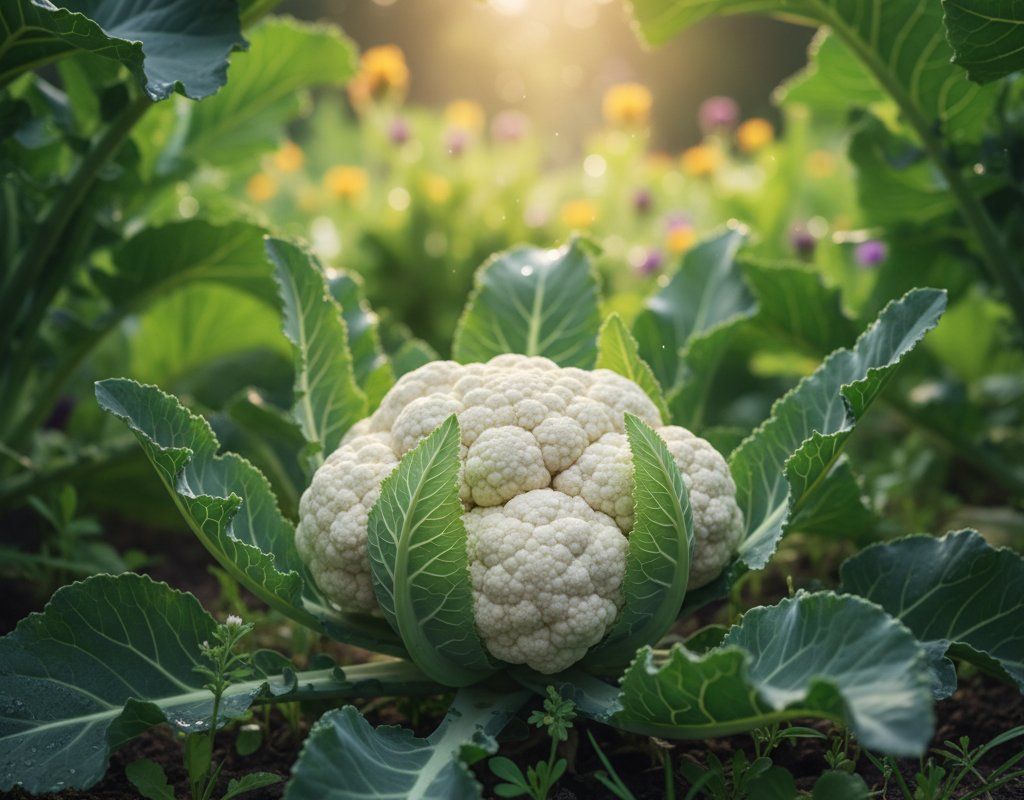
Good companions include tomatoes, squash, broccoli, and cauliflower. Lemon Balm can help repel tomato hornworms and squash bugs. It also attracts beneficial insects that prey on pests that can bother your broccoli and cauliflower.
Avoid planting Lemon Balm near rue, as it can inhibit its growth. Otherwise, Lemon Balm is a pretty agreeable neighbor in the PNW garden.
🌸Best Flowers to Plant with Lemon Balm
These flowers protect your Lemon Balm from pests and attract pollinators for better harvests.
For Pest Control

For Pollinators


Get a Reminder When It's Time to Plant
We'll email you when key planting windows open for your zone.