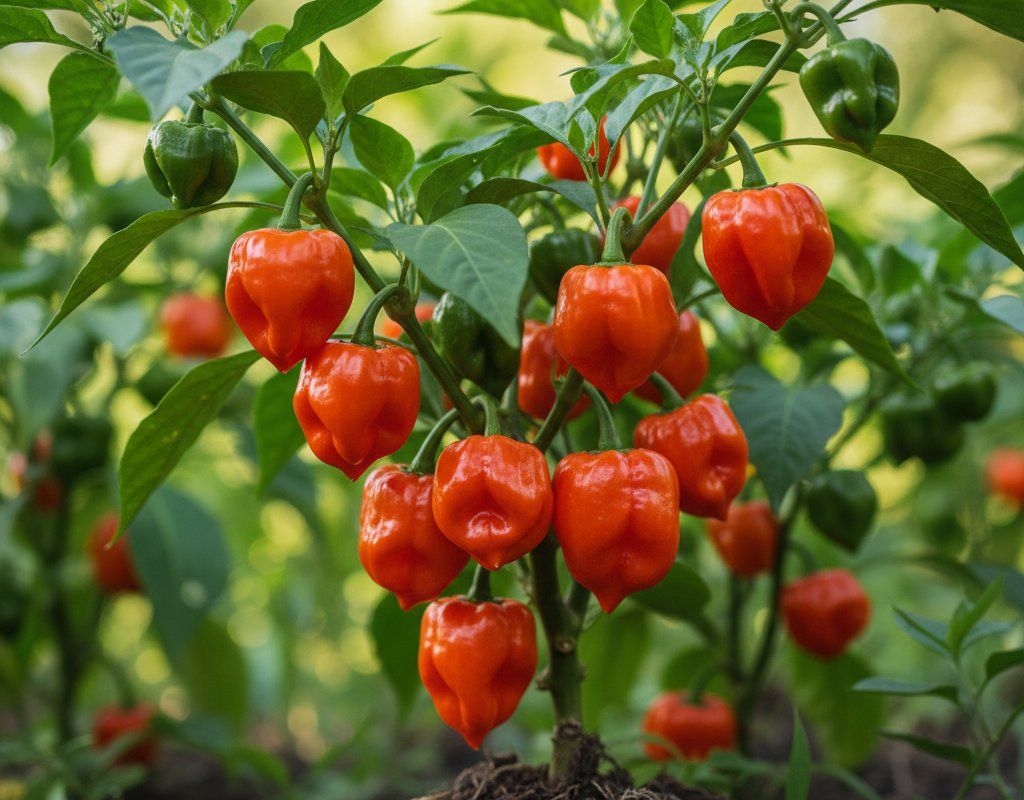
Habanero Peppers in Zone 7A — Pacific Northwest
Capsicum chinense · Your Complete 2026 Planting Guide
Last Call for Seed Starting!
Indoor seed starting window closes in 12 days.
Start Seeds This Week
Start seeds now for transplanting later.
Or Wait for Starts
If you don’t want to start seeds, starts will be available around May 11.
How to Plant Habanero Peppers in Zone 7A — Pacific Northwest
Here are all your options for getting habanero peppers in the ground, from the easiest method to more advanced approaches.
Start Seeds Indoors
RecommendedLate February through mid March
around March 2
Then transplant: Mid May through early June
Start seeds 10-12 weeks before transplanting outdoors.
Super-hot peppers are extra slow. Start 10-12 weeks early.
Buy Starts
Works WellMid May through early June
around May 11
Plant purchased starts after last frost (April 20).
Direct Sow Seeds
ChallengingDirect sowing is not typical for Habanero Peppers.
Transplant Outdoors
Timing InfoMid May through early June
around May 11
Wait until nighttime temperatures stay above 50°F.
Plan to transplant within a few weeks of your target date.
Overview
Habanero peppers bring a delightful kick to your garden and kitchen. Their fruity heat adds amazing flavor to salsas, sauces, and even infused oils. Growing your own in the PNW is incredibly rewarding, and those cool nights actually intensify their flavor!
Yes, we face some challenges with heat-loving plants in our mild summers. But with careful timing and a little extra attention, you can absolutely harvest a great crop of habaneros within our 183-day growing season.
Starting Seeds Indoors
Starting habaneros indoors is the way to go in our climate. Begin in late February through mid March. You'll want to give them about 10 weeks indoors before transplanting.
Use seed trays with a good seed-starting mix. Keep them consistently warm – a heat mat is really helpful, especially with peppers. Provide plenty of light with grow lights, as our overcast spring days don't provide enough natural light. Don't forget to water from the bottom to encourage strong root growth. Because habaneros are super-hot peppers, they can be slow to germinate, so starting them 10-12 weeks early is a good idea.
Transplanting Outdoors
Transplant your habanero seedlings outdoors in mid May through early June, once the risk of frost has passed. It's crucial to harden them off first. Gradually expose them to outdoor conditions for about a week before planting.
Space them 18-24 inches apart in a sunny spot. Even in late May, our soil can still be cool, so consider using raised beds or black plastic mulch to warm the soil. Watch out for late spring showers and slugs, which can be a problem for young plants.
Watering Habanero Peppers in Zone 7A (Pacific Northwest)
Habaneros need consistent moisture, but they definitely don't like soggy roots. In our dry summer months, aim for about 1 inch of water per week, especially once they start setting fruit.
The finger test is your friend: stick your finger about 2 inches deep into the soil. If it feels dry, it's time to water. Water deeply at the base of the plant rather than overhead to avoid potential fungal issues, which can sometimes pop up in our wetter springs.
Pay attention to your plants! Drooping leaves can indicate underwatering, while yellowing leaves might signal overwatering. A layer of mulch, like composted leaves or bark chips, helps retain moisture and regulate soil temperature, which is especially helpful during our occasionally warm spells. And remember, peppers are sensitive to cold water, so use room temperature water whenever possible.
Supporting Your Habanero Peppers
While not always necessary, providing support for your habanero plants can be a good idea, especially as they become loaded with peppers. Their bushy growth habit can make them prone to toppling over, especially in our occasional windy conditions.
Tomato cages or sturdy stakes work well. Install them at planting time to avoid disturbing the roots later. As the plant grows, gently weave the branches through the cage or tie them to the stake with soft twine.
Pruning & Maintaining Habanero Peppers
Habaneros are slow to start, but once they get going, they're prolific. Pinch off any early flowers that appear before the plant is a foot tall. This encourages the plant to focus on vegetative growth, leading to a bigger harvest later on.
Otherwise, minimal pruning is needed. As the end of the season approaches (mid- October), you can remove any new flowers to encourage the plant to ripen the existing fruit.
🧪Fertilizing Habanero Peppers
Feeding Schedule
Organic Fertilizer Options
Harvest Time
You can expect your first habanero harvest in early August through mid September, about 90 days after transplanting. Ripe habaneros will be a vibrant orange (or red or chocolate, depending on the variety) and have a firm, waxy sheen.
Gently twist or cut the peppers off the plant, being careful not to damage the branches. Regular harvesting encourages continued production.
As our first frost approaches in mid- October, harvest all remaining peppers, even the green ones. Mature green peppers will ripen indoors if you place them in a paper bag with a ripe apple or banana.
Common Problems in Zone 7A (Pacific Northwest)
Here are some common problems you might encounter with habaneros in the PNW:
Slow Germination
- What it looks like: Seeds take longer than expected to sprout, or some seeds don't sprout at all.
- What causes it: Cool soil temperatures are a major culprit, especially in our slow-warming springs.
- How to fix/prevent it: Use a heat mat under your seed trays. Ensure consistent warmth (75-85°F) for optimal germination. Be patient!
Blossom Drop
- What it looks like: Flowers fall off the plant without setting fruit. Small fruits yellow and drop prematurely.
- What causes it: Temperature stress is the main cause. Our occasional heat spikes during the flowering period can disrupt fruit set.
- How to fix/prevent it: Provide afternoon shade during hot spells. Ensure consistent watering. Avoid over-fertilizing with nitrogen. Hand-pollinate flowers if needed.
Aphids
- What it looks like: Clusters of tiny insects (green, black, or white) on stems and undersides of leaves. Sticky honeydew residue. Distorted new growth.
- What causes it: Aphids thrive in warm weather and can quickly multiply.
- How to fix/prevent it: Spray plants with a strong jet of water to dislodge aphids. Introduce ladybugs or lacewings to your garden. Use insecticidal soap or neem oil for heavy infestations.
Sunscald
- What it looks like: White or pale patches on the fruit, especially on the side facing the sun.
- What causes it: Intense sunlight exposure, often after pruning or leaf loss.
- How to fix/prevent it: Avoid over-pruning. Provide shade with shade cloth during heat waves. Ensure healthy foliage to naturally shade the fruit.
Pacific Northwest Specific Challenges: Our mild summers and dry-summer humidity mean that we are less likely to see severe sunscald or disease issues compared to hotter, more humid climates. However, late blight can still be a concern, so choose blight-resistant varieties if possible. Cool soil in spring can delay growth and make plants more susceptible to pests. The short heat can affect fruit set. Keep an eye out for slugs, especially on young plants.
Best Companions for Habanero Peppers
Plant these nearby for healthier Habanero Peppers and better harvests.

Keep Away From

Companion Planting Details
Companion planting can really benefit your habaneros here in the PNW.
Good companions include tomatoes, basil, carrots, and onions. Tomatoes provide some shade, protecting peppers from sunscald. Basil is said to repel pests and improve pepper flavor. Carrots loosen the soil, improving drainage. Onions deter pests like aphids.
Avoid planting fennel and kohlrabi near your habaneros. Fennel inhibits the growth of many plants, and kohlrabi can attract cabbage moths, which can also damage pepper plants.
🌸Best Flowers to Plant with Habanero Peppers
These flowers protect your Habanero Peppers from pests and attract pollinators for better harvests.
For Pest Control

Get a Reminder When It's Time to Plant
We'll email you when key planting windows open for your zone.