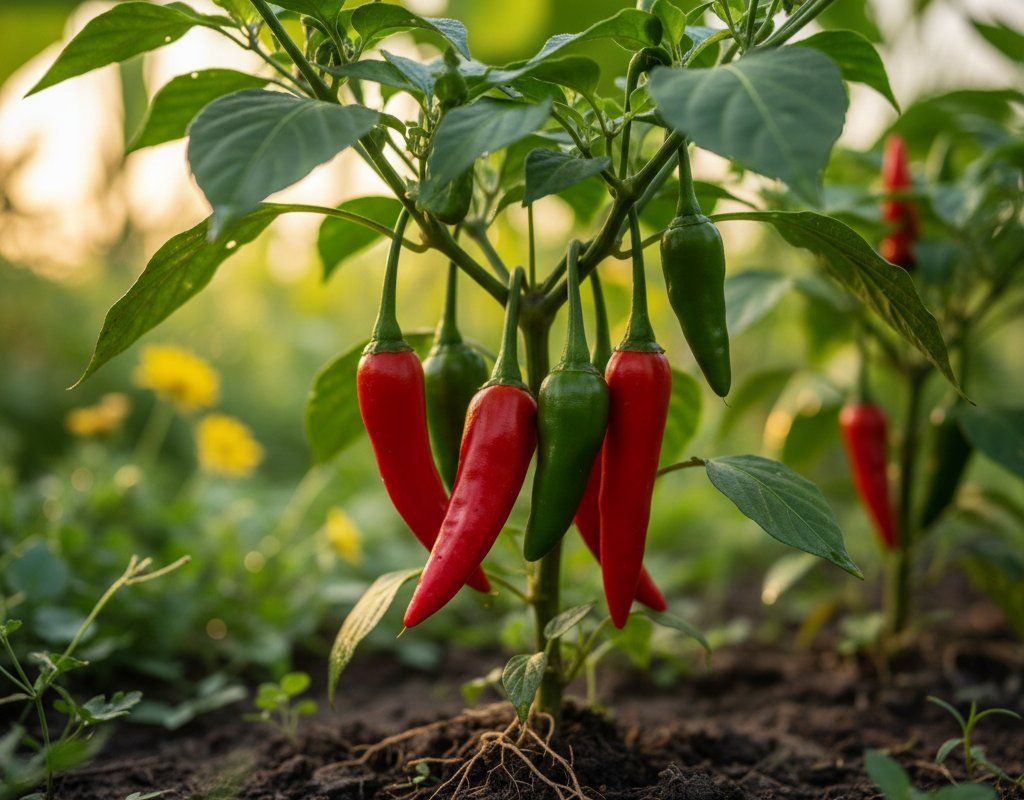
Thai Chili in Zone 10B — Florida
Capsicum annuum 'Thai Dragon' · Your Complete 2026 Planting Guide
Check Planting Details Below
See the full planting guide for timing information.
How to Plant Thai Chili in Zone 10B — Florida
Here are all your options for getting thai chili in the ground, from the easiest method to more advanced approaches.
Start Seeds Indoors
RecommendedMid November through early December
around November 24
Then transplant: Mid January through mid February
Start seeds 8-10 weeks before transplanting outdoors.
Buy Starts
Works WellMid January through mid February
around January 19
Plant purchased starts after last frost (January 5).
Direct Sow Seeds
ChallengingDirect sowing is not typical for Thai Chili.
Transplant Outdoors
Timing InfoMid January through mid February
around January 19
Wait until nighttime temperatures stay above 50°F.
You have a nice window — no need to rush.
Overview
Thai Chili peppers are a fantastic addition to any Florida garden. Their fiery flavor adds a kick to your favorite dishes, and they're surprisingly easy to grow in our warm climate. Plus, they're beautiful plants that can even be grown in containers on your patio.
Our Florida gardening calendar is different, and summer is the slow season, but don't let that intimidate you! With a little planning and attention to timing, you can enjoy a bountiful harvest of Thai Chilis. Our 360-day growing season gives you plenty of opportunity to succeed.
Starting Seeds Indoors
Starting Thai Chili seeds indoors gives you a head start on the growing season. Begin in mid November through early December, about eight weeks before you plan to transplant them outside. This timing takes advantage of our reversed spring, allowing the plants to mature before the summer heat hits.
Use seed trays or small pots filled with a good quality seed-starting mix. Keep the soil consistently moist, but not soggy. Bottom watering is a great way to prevent damping-off. Place the trays in a warm spot and provide plenty of light, either from a sunny window or a grow light.
Transplanting Outdoors
Transplant your Thai Chili seedlings outdoors in mid January through mid February. This gives them plenty of time to establish before our warmer weather arrives. Before transplanting, harden off the seedlings by gradually exposing them to outdoor conditions for about a week.
Choose a sunny spot in your garden with well-drained soil. Space the plants about 18-24 inches apart. Be mindful of any late cold snaps that can occur during this period, and be prepared to cover the seedlings if necessary.
Watering Thai Chili in Zone 10B (Florida)
Thai Chili peppers need moderate watering, especially during our hot, humid summers. While they're somewhat heat-tolerant once established, consistent moisture is crucial for good fruit production. The key is to find the right balance, since our high humidity can make overwatering a real issue.
During the cooler months, water deeply about once a week, providing about 1 inch of water. During the hotter and drier periods of spring, you may need to increase watering to two or three times per week. Use the finger test: stick your finger about 2 inches deep into the soil. If it feels dry, it's time to water.
Water at the base of the plant to avoid wetting the foliage, which can encourage fungal diseases in our humid climate. A layer of mulch, like pine straw or wood chips, can help retain moisture and suppress weeds. Watch for signs of overwatering, like yellowing leaves, or underwatering, like wilting.
Supporting Your Thai Chili
Thai Chili plants have an upright growth habit and tend to be compact, but they can become quite prolific. This means that the branches can sometimes get weighed down by the abundance of peppers. A little support can go a long way in keeping your plants healthy and productive.
A small stake or tomato cage works well for supporting Thai Chili plants. Install the support at planting time to avoid damaging the roots later. As the plant grows, gently tie the stems to the stake as needed.
Pruning & Maintaining Thai Chili
Pruning Thai Chili plants isn't strictly necessary, but pinching off early flowers can encourage the plant to focus its energy on vegetative growth, leading to a stronger, more productive plant. This is especially helpful in our climate, where the growing season is long.
Throughout the growing season, you can also remove any yellowing or dead leaves. As the first frost approaches in late December, you can prune the plant back to encourage new growth in the spring. Since Thai Chilis are perennials in our zone, they will come back after winter.
🧪Fertilizing Thai Chili
Feeding Schedule
Organic Fertilizer Options
Harvest Time
You can expect your first harvest of Thai Chili peppers in early April through late May. The peppers are ready to harvest when they turn from green to bright red. They're very hot at any stage, so be careful when handling them!
To harvest, use scissors or pruning shears to cut the peppers from the plant, leaving a small stem attached. Regular harvesting encourages continued production. Even as late December approaches, you may still have peppers to harvest. If frost threatens, you can harvest any remaining green peppers and allow them to ripen indoors.
Common Problems in Zone 10B (Florida)
Like any plant, Thai Chili peppers can be susceptible to certain problems, especially in our Florida climate. Keep an eye out for these common issues:
Aphids
- What it looks like: Clusters of tiny soft-bodied insects (green, black, or white) on stems and leaf undersides. Sticky honeydew residue. Curled or distorted new growth.
- What causes it: Rapid-reproducing sap-sucking insects. Populations explode in warm weather. Ant colonies may farm them for honeydew.
- How to fix/prevent it: Strong water spray knocks them off. Encourage ladybugs and lacewings (natural predators). Insecticidal soap for heavy infestations. Neem oil works systemically. Avoid excess nitrogen fertilizer (it attracts them).
Blossom Drop in Heat
- What it looks like: Flowers fall off the plant without producing fruit.
- What causes it: High temperatures, especially during pollination. Common during our hot summer months.
- How to fix/prevent it: Provide shade during the hottest part of the day. Ensure adequate watering. Mulch to keep soil temperatures down. Some gardeners use a blossom set spray, but results can vary.
Spider Mites
- What it looks like: Fine stippling on leaves (tiny white dots). Fine webbing on leaf undersides and between stems. Leaves turn bronze or yellow.
- What causes it: Tiny arachnids that thrive in hot, dry conditions. Populations explode in drought stress.
- How to fix/prevent it: Strong water spray (daily for a week) is the best treatment. Increase humidity around plants. Neem oil or insecticidal soap. Release predatory mites (Phytoseiulus persimilis). Avoid broad-spectrum pesticides that kill predators.
Florida Specific Challenges: Our hot, humid summers can create a breeding ground for fungal diseases, so be sure to provide good air circulation and avoid overhead watering. Nematodes can also be a problem in our sandy soil, so consider growing Thai Chilis in raised beds or containers with nematode-free soil. Wet-summer rainfall can cause blossom drop, so provide protection from heavy rains if possible.
Best Companions for Thai Chili
Plant these nearby for healthier Thai Chili and better harvests.




Keep Away From

Companion Planting Details
Companion planting can help your Thai Chili plants thrive. Tomatoes are a great companion because they share similar growing requirements. Basil is another good choice, as it repels pests like aphids and whiteflies.
Carrots and onions are also beneficial companions. Carrots loosen the soil, improving drainage, while onions deter pests and can even help prevent fungal diseases. Avoid planting Thai Chilis near fennel or brassicas like cabbage and broccoli, as these plants can inhibit their growth.
🌸Best Flowers to Plant with Thai Chili
These flowers protect your Thai Chili from pests and attract pollinators for better harvests.
For Pest Control


For Pollinators


Get a Reminder When It's Time to Plant
We'll email you when key planting windows open for your zone.