
Pumpkin in Zone 8A — Pacific Northwest
Cucurbita pepo · Your Complete 2026 Planting Guide
Planning Ahead — Great!
You’re ahead of the season. Here’s when to start.
Mark Your Calendar
How to Plant Pumpkin in Zone 8A — Pacific Northwest
Here are all your options for getting pumpkin in the ground, from the easiest method to more advanced approaches.
Direct Sow Seeds
RecommendedMid April through early July
around April 17
Consider succession planting every 2-3 weeks for continuous harvest.
Pumpkins grow well from direct-sown seeds after soil warms.
Buy Starts
Works WellLate April through mid May
around April 24
Plant purchased starts after last frost (April 10).
Start Seeds Indoors
Works WellLate March through mid April
around April 3
Then transplant: Late April through mid May
Start seeds 3-5 weeks before transplanting outdoors.
Transplant Outdoors
Timing InfoLate April through mid May
around April 24
Wait until nighttime temperatures stay above 50°F.
Plan to transplant within a few weeks of your target date.
Overview
Pumpkins are surprisingly well-suited to our mild Pacific Northwest summers, producing impressive harvests that taste worlds better than store-bought options. You'll get true pumpkin flavor — rich, sweet, and complex — in varieties perfect for everything from jack-o'-lanterns to pies. Our cool nights actually improve flavor development, and the dry summer months mean less disease pressure than many regions face.
While pumpkins need warm weather to thrive, our 203-day growing season gives you plenty of time to work with their 100-day maturity requirement. The key is timing your planting after our notoriously cool spring soil warms up, then letting our long, mild fall extend the harvest season well into October.
Starting Seeds Indoors
Starting pumpkin seeds indoors makes sense if you want maximum control over timing or plan to grow specialty varieties. Start seeds late March through mid-April, about three weeks before you plan to transplant. Our slow spring progression means indoor starting can give you a head start when outdoor conditions aren't quite ready.
Use seed trays with good drainage and keep soil consistently moist through bottom watering — this prevents seeds from getting waterlogged while maintaining the steady moisture pumpkins need for germination. Provide warmth (70-80°F) and bright light once seedlings emerge.
The main downside? Pumpkins develop extensive root systems quickly and don't love transplant shock. If you're growing standard varieties and have patience, direct sowing often works just as well once soil warms up.
Transplanting Outdoors
Transplant your indoor-started pumpkin seedlings from late April through mid-May, after our last frost risk passes and soil temperatures consistently reach 60°F. This timing works well with our typical spring weather patterns — just watch for those cool snaps that can still surprise us.
Harden off seedlings gradually over a full week, starting with just a few hours of outdoor exposure and building up to full days. This is especially important in the Pacific Northwest where our overcast spring days can suddenly give way to bright sun.
Space plants 60-96 inches apart — these vines will sprawl significantly. Choose your sunniest spot since pumpkins need all the heat they can get in our mild climate. Plant on slightly raised beds if your soil tends to stay soggy during our wet springs.
Direct Sowing
Direct sowing is the recommended approach for pumpkins in our region. Plant seeds from mid-April through early July, timing your planting based on when you want to harvest. For Halloween pumpkins, late May through mid-June works perfectly with our growing season.
Wait until soil temperature reaches at least 60°F consistently — use a soil thermometer to be sure. Our cool spring soil can fool you, staying cold even when air temperatures feel warm. Work compost into planting areas and create slight mounds to improve drainage and heat absorption.
Plant seeds 1 inch deep with 60-96 inches between plants. This seems excessive early on, but trust the spacing — pumpkin vines will easily cover 100+ square feet by season's end. Plant 2-3 seeds per spot and thin to the strongest seedling once they're established.
Watering Pumpkin in Zone 8A (Pacific Northwest)
Pumpkins need consistent, deep watering but benefit from our naturally dry summer conditions that reduce fungal problems. During our typical mild summers, provide about 1 inch of water weekly through deep, thorough soakings rather than frequent shallow watering.
Use the finger test — stick your finger 2 inches into the soil. If it's dry at that depth, it's time to water. During our peak summer months when temperatures occasionally reach the low 80s, you might need to water twice weekly, especially for young plants still establishing their root systems.
Water at the base of plants rather than overhead to keep leaves dry. Our dry summer air means you don't need to worry as much about humidity-related diseases, but wet leaves can still invite problems like powdery mildew. As fruits begin to mature in late summer, reduce watering frequency to concentrate flavors and prevent splitting.
Apply 2-3 inches of organic mulch around plants to retain moisture during our dry months and suppress weeds. Straw works particularly well, breaking down slowly and adding organic matter to the soil over our long growing season.
🧪Fertilizing Pumpkin
Feeding Schedule
Organic Fertilizer Options
Harvest Time
Your first pumpkins will be ready from late July through late October, depending on variety and planting time. The 100-day maturity period works well with our extended growing season, giving you flexibility in timing your harvest for specific needs.
Look for full color development — green pumpkins won't ripen further off the vine. The shell should be hard enough that you can't dent it with your fingernail, and tapping should produce a deep, hollow sound rather than a dull thud. The stem will turn dry and corky when the pumpkin is truly ready.
Cut (don't pull) pumpkins from the vine, leaving a 4-inch stem handle to prevent rot from setting in at the attachment point. Handle carefully since bruises will shorten storage life significantly.
As our first frost approaches in late October, harvest all remaining pumpkins regardless of full maturity — they'll survive light frosts on the vine, but hard freezes will damage them. Properly cured pumpkins can store for months in a cool, dry location, perfect for extending your harvest through winter.
Common Problems in Zone 8A (Pacific Northwest)
Squash Vine Borers You'll notice sudden wilting of entire vine sections, often accompanied by sawdust-like frass around the base of stems. If you spot this early enough, you can sometimes save the plant by slitting the stem open and removing the fat white grub inside.
These clearwing moth larvae tunnel through stems, cutting off water and nutrient flow. In the Pacific Northwest, the timing of moth flights varies with our unpredictable spring weather, making prevention challenging. Wrap the base of stems with aluminum foil or use row covers early in the season, then remove once flowering begins for pollination.
Powdery Mildew White or grayish powdery coating appears on leaves and stems, eventually causing leaves to yellow and die. This fungal disease thrives in our combination of warm days and cool nights, even in dry conditions — unlike most fungi, it doesn't need wet leaves to establish.
Improve air circulation through proper spacing and remove affected leaves promptly. Surprisingly, milk spray (1 part milk to 9 parts water) works effectively as both prevention and treatment. Our dry summers help limit spread, but don't let your guard down during those occasional humid spells.
Poor Pollination Flowers bloom but drop off, or fruits develop small and misshapen. Male flowers typically appear first, with female flowers (identifiable by the small fruit behind the bloom) following later — timing issues between these can cause problems.
Hand-pollinate using a small brush to transfer pollen from male to female flowers, especially during cool morning periods when bee activity is low. Plant pollinator-attracting flowers nearby and avoid any pesticide use during flowering. Our mild summers are actually helpful here, as extreme heat can shut down pollination entirely.
Pacific Northwest Specific Challenges: Our cool, wet springs can delay planting and slow early growth, while our mild summer heat may limit the intensity needed for maximum fruit development. However, the extended fall season and reduced pest pressure from our dry summers generally make pumpkin growing more predictable here than in regions with extreme heat or humidity.
Best Companions for Pumpkin
Plant these nearby for healthier Pumpkin and better harvests.

Keep Away From
Companion Planting Details
Corn makes an excellent companion for pumpkins, providing natural trellising for the vines while the pumpkin's broad leaves shade and cool the soil around corn roots. This traditional "Three Sisters" combination (adding beans completes it) works particularly well in our climate where soil moisture retention is valuable during dry summers.
Radishes planted around pumpkin hills can help deter squash bugs and cucumber beetles, while their quick maturation means they're harvested before the pumpkin vines need the space. Avoid planting potatoes nearby — they compete for similar nutrients and can harbor diseases that affect both crops, plus their harvest timing conflicts with spreading pumpkin vines.
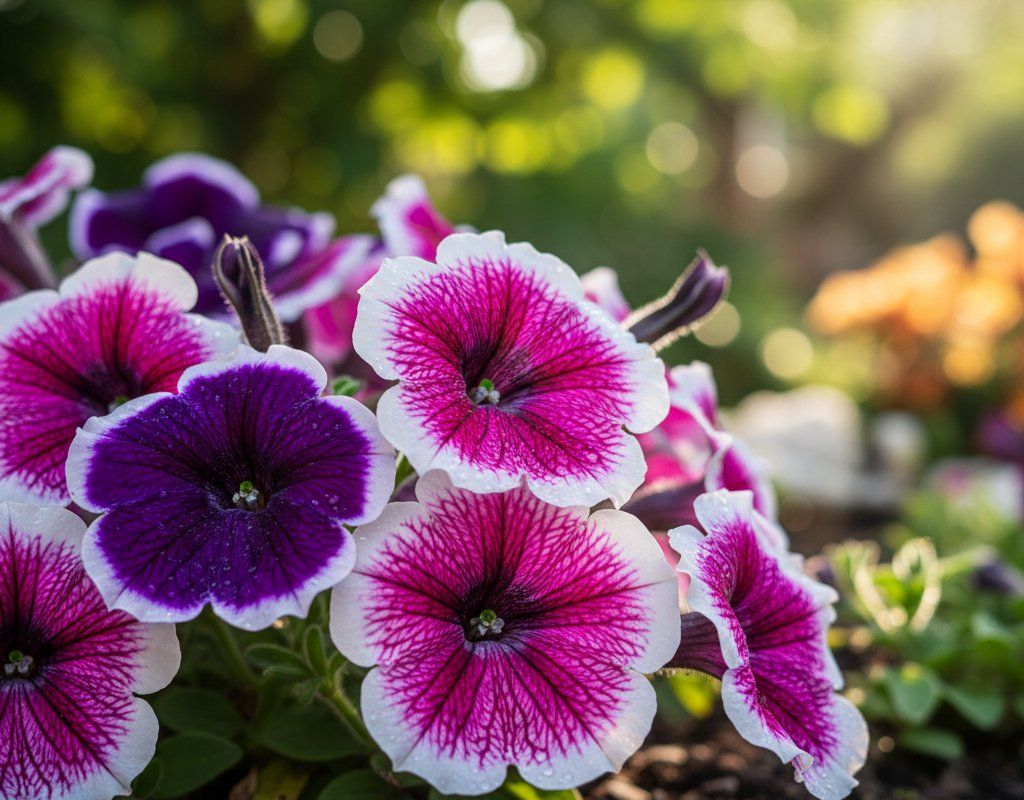
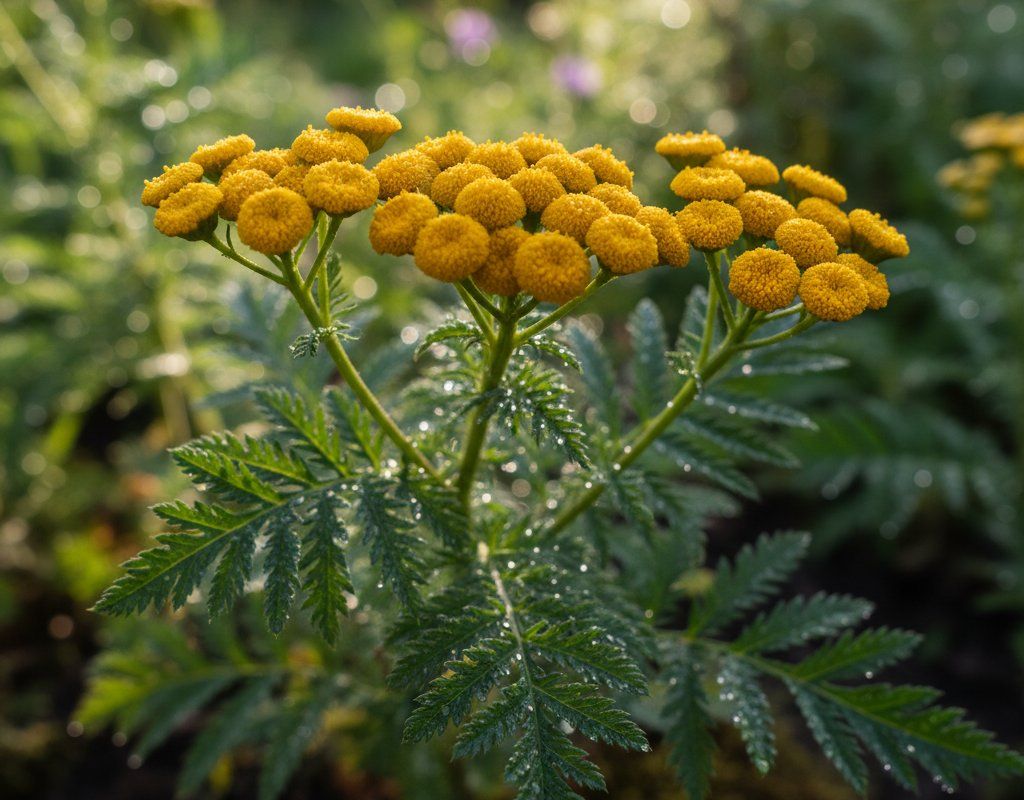
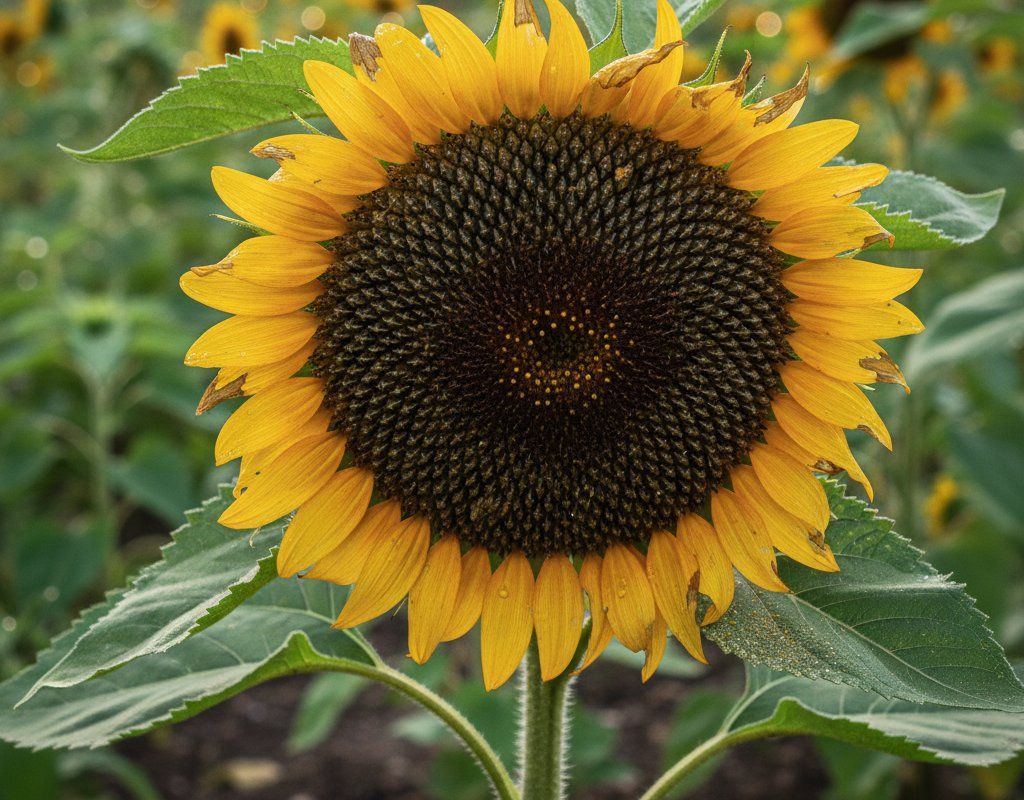
🌸Best Flowers to Plant with Pumpkin
These flowers protect your Pumpkin from pests and attract pollinators for better harvests.
For Pest Control




Get a Reminder When It's Time to Plant
We'll email you when key planting windows open for your zone.