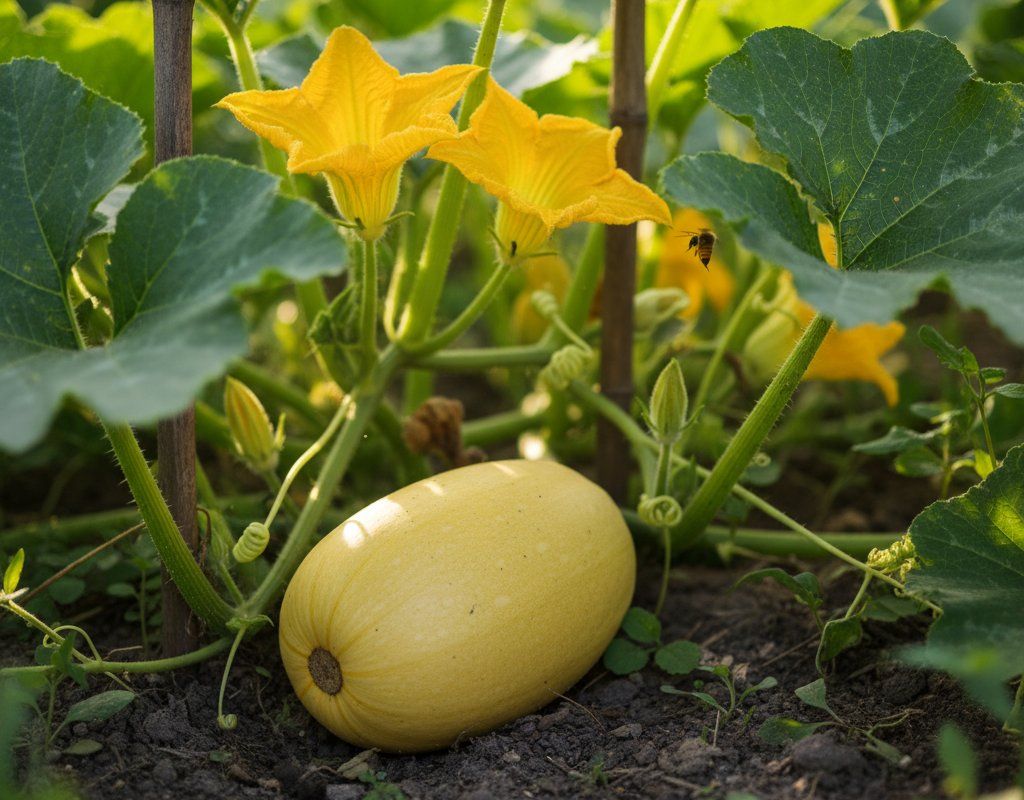
Spaghetti Squash in Zone 3A — Mountain West
Cucurbita pepo · Your Complete 2026 Planting Guide
Planning Ahead — Great!
You’re ahead of the season. Here’s when to start.
Mark Your Calendar
How to Plant Spaghetti Squash in Zone 3A — Mountain West
Here are all your options for getting spaghetti squash in the ground, from the easiest method to more advanced approaches.
Direct Sow Seeds
RecommendedDirect sowing is not typical for Spaghetti Squash.
Buy Starts
Works WellMid to late June
around June 15
Plant purchased starts after last frost (June 1).
Start Seeds Indoors
Works WellMid May through early June
around May 25
Then transplant: Mid to late June
Start seeds 3-5 weeks before transplanting outdoors.
Transplant Outdoors
Timing InfoMid to late June
around June 15
Wait until nighttime temperatures stay above 50°F.
Timing is critical in your zone — don’t delay!
Overview
Spaghetti Squash is a rewarding crop for the Mountain West gardener. The unique "spaghetti" strands are delicious roasted, baked, or as a healthy pasta alternative. Plus, the satisfaction of harvesting a winter squash you grew yourself, despite our short season, is hard to beat.
Our high altitude, intense sun, and short growing season present challenges, but with careful timing and attention, you can absolutely grow Spaghetti Squash here. Our 96-day growing season means we need to be strategic, but the intense sunlight helps to ripen the squash quickly.
Starting Seeds Indoors
Starting Spaghetti Squash indoors gives you a head start, but direct sowing usually works just fine in our climate. If you want to start indoors, do so mid-May through early June, about 3 weeks before you plan to transplant. This timing allows you to get a jump on the season without the seedlings getting too leggy.
Use seed trays or small pots filled with a good seed-starting mix. Keep the soil consistently moist, bottom watering to prevent damping off. Place the trays in a warm location with plenty of light – a sunny south-facing window or under grow lights works well. Remember that our springs can be late, so don't rush the process!
Transplanting Outdoors
Transplant your Spaghetti Squash seedlings outdoors mid to late June, once the risk of frost has passed. Before transplanting, harden off your seedlings by gradually exposing them to outdoor conditions for about a week. This helps them adjust to the intense sun and cooler nights we often experience.
Space your plants 36-48 inches apart. Choose a sunny spot with well-drained soil. Our alkaline soil benefits from amending with compost. Be prepared for possible temperature swings even in late June.
Watering Spaghetti Squash in Zone 3A (Mountain West)
Spaghetti Squash needs consistent watering, especially during the early stages of growth. Because we have low humidity and dry rainfall in the Mountain West, regular watering is crucial. Aim to keep the soil consistently moist, but not waterlogged.
Check the soil moisture by using the "finger test"—stick your finger about 2 inches deep into the soil. If it feels dry, it's time to water. During the peak of summer, your plants might need about 1-2 inches of water per week. Water at the base of the plant to avoid wetting the foliage, which helps prevent fungal diseases in our cool nights.
Signs of underwatering include wilting leaves and stunted growth. Overwatering can lead to root rot, so watch for yellowing leaves. A layer of mulch around the base of the plants helps retain moisture and regulate soil temperature.
🧪Fertilizing Spaghetti Squash
Feeding Schedule
Organic Fertilizer Options
Harvest Time
Expect your first Spaghetti Squash harvest mid to early September. Given our short growing season, keep a close eye on your plants as the first frost approaches.
The squash is ready to harvest when the skin turns a bright yellow color and the shell is hard. The stem will also start to dry out. Give the squash a tap – it should sound hollow. Harvest carefully, cutting the stem with a sharp knife, leaving a few inches attached to the squash.
If a frost is predicted before your squash are fully ripe, harvest them anyway. While they won't ripen further off the vine, you can still use them. Store your harvested squash in a cool, dry place.
Common Problems in Zone 3A (Mountain West)
Here are some common problems you might encounter with Spaghetti Squash in the Mountain West:
Squash Vine Borer
- What it looks like: Wilting vines, holes in the stem near the base, and sawdust-like frass (borer excrement) near the holes.
- What causes it: The larvae of a moth that burrows into the stems and feeds on the plant tissue.
- How to fix/prevent it: Wrap the base of the stems with aluminum foil or pantyhose to prevent the moth from laying eggs. If you see signs of borers, you can try to surgically remove them by slitting the stem open and extracting the larvae.
Powdery Mildew
- What it looks like: White or grayish powdery coating on leaves, stems, and sometimes fruit. Leaves curl, yellow, and die.
- What causes it: Various fungi that thrive in warm days, cool nights, and moderate humidity. Dry leaf surfaces actually favor it (unlike most fungi).
- How to fix/prevent it: Improve air circulation through spacing and pruning. Remove affected leaves. Neem oil or potassium bicarbonate sprays help. Milk spray (1 part milk to 9 parts water) is surprisingly effective.
Squash Bugs
- What it looks like: Gray-brown shield-shaped bugs on leaf undersides. Bronze egg clusters on leaves. Wilting leaves that turn brown and crispy.
- What causes it: Sap-sucking insects that inject toxin while feeding. Adults overwinter in garden debris and emerge in spring.
- How to fix/prevent it: Hand-pick adults and crush egg clusters. Board traps (adults hide under boards at night — flip and destroy in morning). Neem oil spray. Remove plant debris in fall.
Blossom End Rot
- What it looks like: Sunken, dark brown or black leathery patch on the bottom (blossom end) of fruit. Often affects first fruits of the season.
- What causes it: Calcium deficiency caused by inconsistent watering. Not a disease — it's a nutrient uptake problem triggered by drought/flood cycles.
- How to fix/prevent it: Water consistently (the single most effective fix). Mulch heavily to maintain even soil moisture. Don't over-fertilize with nitrogen. Remove affected fruit.
Mountain West Specific Challenges: Our intense UV light can stress plants, making them more susceptible to pests and diseases. The low humidity, combined with alkaline soil, can also exacerbate blossom end rot if watering isn't consistent. Hail can damage leaves and fruits, so consider using row covers for protection.
Best Companions for Spaghetti Squash
Plant these nearby for healthier Spaghetti Squash and better harvests.

Keep Away From
Companion Planting Details
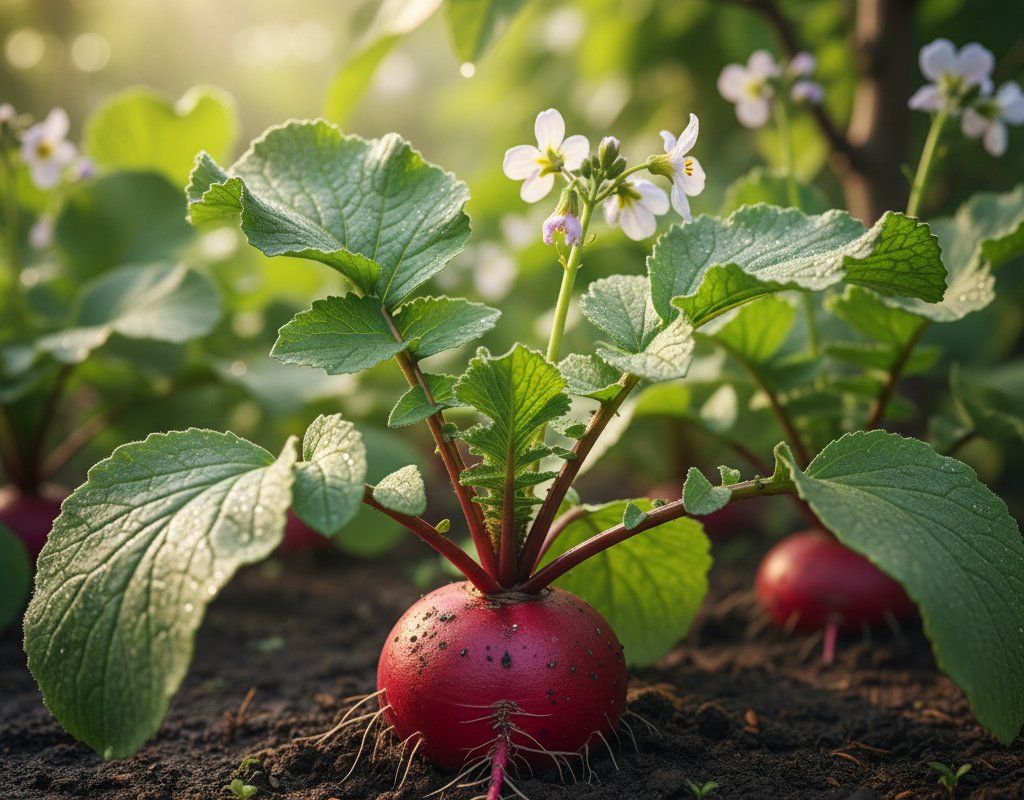
Good companions for Spaghetti Squash include corn, which provides support and shade, and green beans, which fix nitrogen in the soil. Radishes help deter pests, and marigolds repel nematodes and other harmful insects. Planting these together can create a beneficial ecosystem in your garden, which is especially helpful in our challenging mountain environment.
Avoid planting Spaghetti Squash near potatoes, as they compete for nutrients. Also, keep them away from brassicas (cabbage, broccoli, etc.), as they can attract similar pests, increasing the risk of infestation.
🌸Best Flowers to Plant with Spaghetti Squash
These flowers protect your Spaghetti Squash from pests and attract pollinators for better harvests.
For Pest Control

Get a Reminder When It's Time to Plant
We'll email you when key planting windows open for your zone.