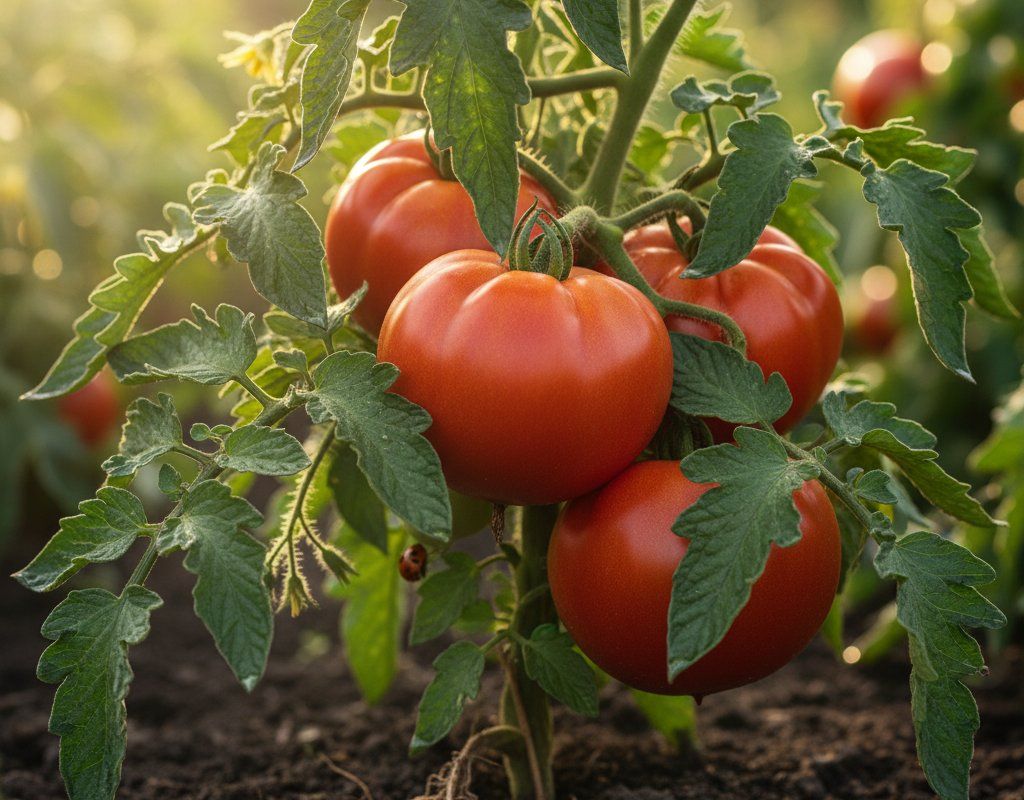
Beefsteak Tomatoes in Zone 3A — Mountain West
Solanum lycopersicum · Your Complete 2026 Planting Guide
Planning Ahead — Great!
You’re ahead of the season. Here’s when to start.
Mark Your Calendar
How to Plant Beefsteak Tomatoes in Zone 3A — Mountain West
Here are all your options for getting beefsteak tomatoes in the ground, from the easiest method to more advanced approaches.
Start Seeds Indoors
RecommendedLate April through mid May
around May 4
Then transplant: Mid to late June
Start seeds 6-8 weeks before transplanting outdoors.
Buy Starts
Works WellMid to late June
around June 15
Plant purchased starts after last frost (June 1).
Direct Sow Seeds
ChallengingDirect sowing is not typical for Beefsteak Tomatoes.
Transplant Outdoors
Timing InfoMid to late June
around June 15
Wait until nighttime temperatures stay above 50°F.
Timing is critical in your zone — don’t delay!
Overview
Beefsteak tomatoes are the ultimate Mountain West garden showstopper — massive, meaty fruit that can weigh over a pound each, perfect for thick sandwich slices and fresh eating. Our high altitude intense sun actually helps concentrate flavors while cool nights prevent the bland, watery taste you get in hot climates. The satisfaction of growing these giants in our challenging Zone 3A conditions makes every harvest feel like a personal victory.
Yes, our 96-day growing season is tight for 85-day varieties, and late spring means starting everything indoors. But beefsteaks are worth the extra effort — they're actually easier here than in humid climates since we rarely deal with the fungal diseases that plague tomato growers elsewhere. Time it right, and you'll be harvesting hefty tomatoes just as the summer heat peaks.
Starting Seeds Indoors
Start your beefsteak seeds indoors from late April through mid-May, about six weeks before you plan to transplant outside. Our late Mountain spring makes indoor starting essential — there's simply no time for direct sowing when frost danger doesn't pass until early June.
Set up your seeds in standard seed trays with good potting mix, keeping them warm (70-75°F) for best germination. A heating mat helps since our homes can still be cool in late April. Once they sprout, provide bright light — either a sunny south window or grow lights 4-6 inches above the seedlings.
Bottom watering works best to prevent damping off. Set your seed trays in a shallow pan of water and let the soil absorb moisture from below. Your beefsteak seedlings will be ready for transplant by mid to late June, perfectly timed for our short but intense growing season.
Transplanting Outdoors
Transplant your beefsteak seedlings outdoors from mid to late June, once nighttime temperatures consistently stay above 50°F. Even in our Zone 3A, those cool Mountain nights can shock warm-season crops if you jump the gun too early.
Spend a full week hardening off your plants by gradually exposing them to outdoor conditions — start with just morning sun, then work up to full days outside. Our intense UV and dry winds can stress indoor-grown plants quickly without proper acclimation.
Space your beefsteaks 36-48 inches apart to account for their massive size and to improve air circulation in our low-humidity climate. Plant them deep, burying about two-thirds of the stem to encourage strong root development. Install support structures now — these plants will get heavy fast once fruit sets.
Watering Beefsteak Tomatoes in Zone 3A (Mountain West)
Beefsteaks are water hogs, and consistent moisture is absolutely critical for preventing cracking and blossom end rot. In our dry Mountain climate with only 10-20 inches of annual rainfall, you'll need to provide about 2 inches of water per week during peak growing season.
Water deeply at the base of plants rather than overhead — our low humidity means leaves dry quickly, but direct soil watering is more efficient anyway. Use the finger test: stick your finger 2 inches into the soil near the plant. If it's dry at that depth, it's time to water. Our intense sun and dry air means you'll likely water every 2-3 days during peak summer.
Watch for signs of water stress: wilting during the heat of the day (even with adequate soil moisture), fruit cracking after heavy watering, or dark leathery patches on the bottom of fruit (blossom end rot). Apply 3-4 inches of organic mulch around plants to help retain moisture and regulate soil temperature — straw or shredded leaves work well in our climate.
The key in our moderate-at-altitude heat is consistency. Unlike hot climates where tomatoes need massive daily watering, our 85°F summer highs mean steady, deep watering every few days works better than daily light sprinkles.
Supporting Your Beefsteak Tomatoes
Beefsteak tomatoes absolutely need sturdy support — these indeterminate plants can reach 6-8 feet tall with fruit weighing over a pound each. Use heavy-duty tomato cages (at least 5 feet tall) or thick wooden stakes with strong ties, not the flimsy wire cones from the garden center.
Install your support system at planting time to avoid damaging roots later. For stakes, use 2-inch wooden posts driven at least 18 inches deep. Tie branches loosely with soft cloth strips or tomato ties, never wire or string that can cut stems as they grow.
As plants develop, weave branches through cage openings or tie them to stakes every 8-10 inches of growth. Check ties regularly — our intense sun and cool night temperature swings can cause rapid growth spurts that quickly outgrow supports.
Pruning & Maintaining Beefsteak Tomatoes
Remove suckers (shoots growing between main stem and branches) throughout the growing season to focus plant energy on fewer, larger fruit. In our short 96-day season, you want quality over quantity — better to get 4-6 massive beefsteaks than dozens of small ones that won't ripen before frost.
Pinch out suckers when they're small (2-3 inches) using your fingers or clean pruners. Also remove lower leaves that touch the ground to improve air circulation — important even in our low-humidity climate to prevent soil-borne diseases.
Around mid-August, top your plants by pinching out the growing tip. This redirects energy to ripening existing fruit rather than producing new flowers that won't have time to mature before our early September frost. Remove any flowers that appear after this point.
🧪Fertilizing Beefsteak Tomatoes
Feeding Schedule
Organic Fertilizer Options
Harvest Time
Your first beefsteak harvest should arrive in early September, right around 85 days from transplanting. Look for deep, rich color and slight softness when you cup the fruit in your hand — it should yield just slightly to gentle pressure.
Harvest by twisting and pulling gently, or use clean pruners to cut the stem. Don't pull straight down or you'll damage the vine. Pick fruit when it just starts showing full color — it will continue ripening off the vine and actually develops better flavor indoors than if left to over-ripen in cool weather.
As our first frost approaches in early September, harvest all fruit regardless of ripeness. Green tomatoes will ripen indoors at room temperature — wrap them individually in newspaper or place in paper bags with a ripe apple to speed the process. Even completely green beefsteaks can ripen this way, though they won't develop the full flavor of vine-ripened fruit.
Check plants daily once harvest begins. Ripe beefsteaks don't last long on the vine in our cool nights, and overripe fruit attracts wasps and splits easily. A single plant can produce 8-12 massive fruits over the season if kept well-watered and supported.
Common Problems in Zone 3A (Mountain West)
Fruit Cracking Concentric circles or radial splits in the tomato skin that expose the flesh underneath. This happens when fruit absorbs water faster than the skin can expand, usually after heavy watering following dry spells. In our dry Mountain climate, it's tempting to let soil get too dry between waterings, then flood plants. Maintain consistent soil moisture with regular deep watering and thick mulch. Harvest fruit promptly when ripe rather than leaving them on the vine.
Catfacing Deep crevices, scars, and deformed lumpy fruit, especially on the blossom end. Cool nighttime temperatures during flowering (below 55°F) cause incomplete pollination, leading to malformed fruit. Our cool Mountain nights, even in summer, make this common in beefsteaks. Plant after nights consistently stay above 50°F, and consider row covers for early plantings. The fruit looks ugly but tastes fine — just trim around the deformed areas.
Blossom End Rot Dark, sunken leathery patches on the bottom of fruit, often on the first tomatoes of the season. This isn't a disease but a calcium uptake problem caused by inconsistent watering — the most common tomato problem in our dry climate. Water consistently and deeply, mulch heavily to maintain even soil moisture, and avoid over-fertilizing with nitrogen. Remove affected fruit promptly so the plant focuses energy on healthy ones.
Slow to Ripen Large green tomatoes that seem to stall and never turn red, even past their expected maturity date. Cool nighttime temperatures below 60°F slow ripening significantly — common here even in peak summer. Our intense UV during the day followed by cool nights can actually inhibit color development. Remove excess foliage shading fruit, reduce nitrogen fertilizer, and consider red plastic mulch to increase soil warmth. Harvest green fruit before first frost and ripen indoors.
Mountain West Specific Challenges: Our combination of intense UV, cool nights, and alkaline soil creates unique growing conditions. The temperature swings between day and night can stress plants and slow fruit development, while our low humidity means water management is critical but different from humid climates. Hail is always a threat that can destroy plants overnight, so have row covers ready for storm protection.
Best Companions for Beefsteak Tomatoes
Plant these nearby for healthier Beefsteak Tomatoes and better harvests.
View Full Companion Planting Chart →



Companion Planting Details
Plant basil alongside your beefsteaks — it genuinely improves tomato flavor while repelling aphids and hornworms with its strong scent. Carrots make excellent neighbors since their deep taproots don't compete with tomato roots, and their ferny foliage provides light ground cover. Parsley planted around the base helps retain soil moisture in our dry climate while attracting beneficial insects.
Marigolds are particularly valuable in Mountain gardens since they deter nematodes and many common pests while handling our intense UV better than most flowers. Avoid planting brassicas like cabbage or broccoli nearby — they're heavy feeders that compete for nutrients, and both crops prefer cooler conditions than heat-loving tomatoes. Never plant fennel near tomatoes as it inhibits their growth through chemical compounds in the soil.
🌸Best Flowers to Plant with Beefsteak Tomatoes
These flowers protect your Beefsteak Tomatoes from pests and attract pollinators for better harvests.


Get a Reminder When It's Time to Plant
We'll email you when key planting windows open for your zone.