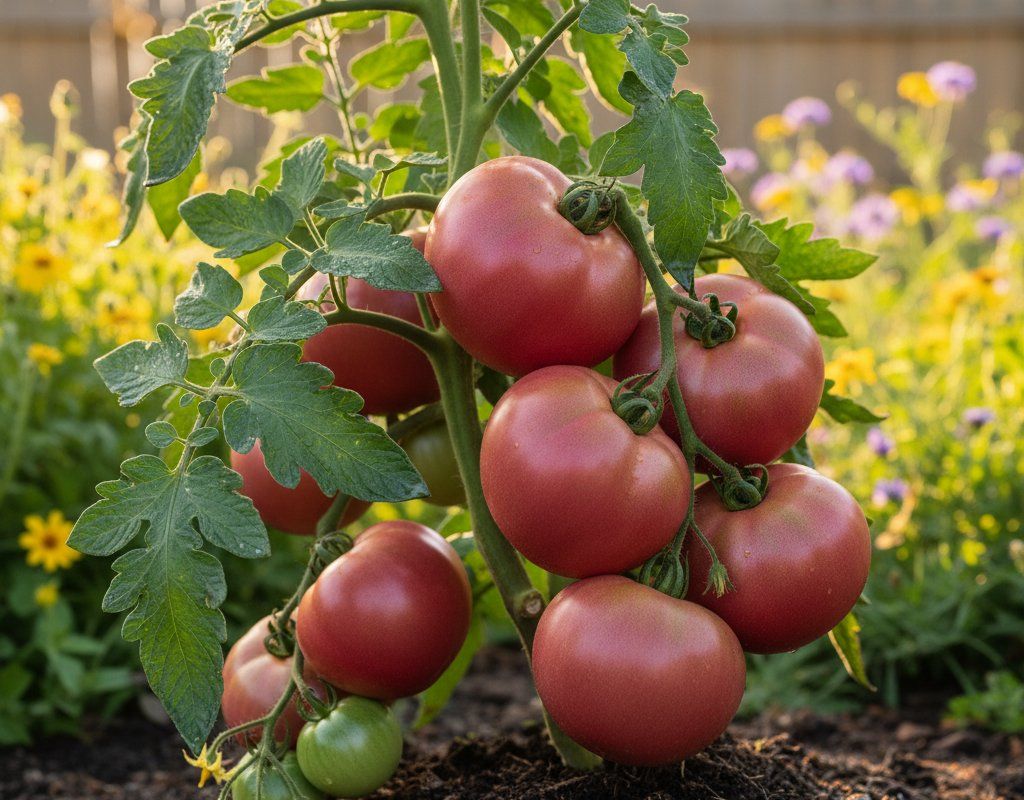
Brandywine Tomatoes in Zone 9B — Florida
Solanum lycopersicum · Your Complete 2026 Planting Guide
Check Planting Details Below
See the full planting guide for timing information.
How to Plant Brandywine Tomatoes in Zone 9B — Florida
Here are all your options for getting brandywine tomatoes in the ground, from the easiest method to more advanced approaches.
Start Seeds Indoors
RecommendedMid December through early January
around December 23
Then transplant: Early to late February
Start seeds 6-8 weeks before transplanting outdoors.
Buy Starts
Works WellEarly to late February
around February 3
Plant purchased starts after last frost (January 20).
Direct Sow Seeds
ChallengingDirect sowing is not typical for Brandywine Tomatoes.
Transplant Outdoors
Timing InfoEarly to late February
around February 3
Wait until nighttime temperatures stay above 50°F.
Plan to transplant within a few weeks of your target date.
Overview
Brandywine tomatoes offer Florida gardeners something truly special – that old-fashioned, complex tomato flavor that makes store-bought varieties taste like cardboard. These large, pink-red heirloom fruits can reach a pound each, delivering the kind of taste that transforms your summer salads and sandwiches into something memorable. In our Florida climate, you'll get the added satisfaction of growing something many Northern gardeners struggle with, since our reversed growing season actually works in Brandywine's favor.
Yes, Florida's extreme humidity and fungal pressure can challenge heirloom varieties like Brandywine, but timing is everything here. With our 344-day growing season, you can plant these beauties in the cool months and harvest before our brutal summer heat arrives. The key is working with our unique climate pattern rather than fighting it.
Starting Seeds Indoors
Starting Brandywine seeds indoors is your only option here in Florida – these tender plants need that 6-week head start to beat our summer heat. Begin sowing seeds from mid-December through early January, giving them time to develop strong root systems before transplanting in February. Remember, our spring arrives much earlier than most gardeners expect.
Set up your seed trays in a warm spot (70-80°F works perfectly), and use bottom watering to prevent damping-off disease in our humid conditions. A simple seed-starting mix in cell trays works well, and you'll want to provide bright light once germination occurs – either a sunny south-facing window or grow lights positioned 2-3 inches above the seedlings.
Keep the soil consistently moist but not waterlogged, and don't be surprised when your neighbors think you're crazy starting tomatoes during the holidays. In Florida, this timing puts you right on track for transplanting when our "spring" weather arrives in February.
Transplanting Outdoors
Plan to move your Brandywine seedlings outdoors from early to late February, when nighttime temperatures consistently stay above 50°F. This timing might seem early compared to other regions, but it's critical here – you want these plants established and producing before our summer heat shuts them down.
Harden off your seedlings gradually over a full week, starting with just 2-3 hours of filtered morning sun and building up to full outdoor conditions. Florida's February weather can be tricky with occasional cold snaps, so keep row covers handy for unexpected temperature drops.
Space your Brandywine plants 36-48 inches apart – these indeterminate varieties need room for air circulation, especially important in our humid climate. The wide spacing also makes it easier to access plants for harvesting and maintenance as they grow into substantial vines.
Watering Brandywine Tomatoes in Zone 9B (Florida)
Brandywine tomatoes demand consistent moisture year-round, but your watering strategy needs to shift dramatically with Florida's seasons. During the cooler months (February through April), you'll likely need to water deeply twice per week, providing about 1-2 inches total. Check soil moisture with the finger test – stick your finger 2 inches deep, and water when it feels dry at that level.
As our heat builds in late April and May, increase watering frequency but be careful not to overwater. Despite our 50-65 inches of annual rainfall, much of that comes during summer when your spring Brandywines are finishing up. The key is maintaining steady soil moisture without creating soggy conditions that invite fungal problems in our humid climate.
Always water at the base of plants rather than overhead – our high humidity already creates perfect conditions for foliar diseases. A soaker hose or drip irrigation works beautifully, or simply water slowly at soil level with a hose or watering can. Mulching around plants helps maintain even moisture and keeps soil temperatures more consistent.
Watch for signs of water stress: wilting during hot afternoons (normal), yellow lower leaves (usually overwatering), or fruit cracking (inconsistent watering). Brandywine is more prone to cracking than hybrid varieties, so that consistent moisture becomes even more critical for quality fruit.
Supporting Your Brandywine Tomatoes
Install sturdy tomato cages or stakes at planting time – Brandywine's indeterminate growth habit and large fruit demand serious support. These plants easily reach 6-8 feet tall with heavy branches loaded with pound-sized tomatoes. Flimsy cages from the garden center won't cut it; invest in 6-foot tall, heavy-gauge cages or use 8-foot stakes with multiple tie points.
The potato-leaf foliage characteristic of Brandywine varieties actually provides less shade than regular tomato leaves, which means more sun exposure but also less natural plant support. You'll need to tie branches to your support system more frequently as fruit develops and branches get heavy.
Set up your support system before the roots spread – trying to wrestle a cage around an established tomato plant damages roots and branches. If staking, drive stakes 12-18 inches deep on the north side of each plant to avoid shading.
Pruning & Maintaining Brandywine Tomatoes
Brandywine benefits from moderate pruning focused on improving air circulation – crucial in Florida's humid conditions where fungal diseases thrive. Remove suckers (shoots growing between main stems and branches) when they're small, but don't go overboard since some suckers will become productive fruit-bearing branches.
Start by removing all growth below the first flower cluster to improve air flow at ground level. Throughout the growing season, prune away any diseased or yellowing leaves immediately, and thin overcrowded areas in the plant's center. This variety is more disease-susceptible than modern hybrids, so good air circulation is your best defense.
As first frost approaches in late December, you can either continue light harvesting until the cold hits or prune back some foliage to help remaining fruit ripen faster. Many Florida gardeners find they can keep Brandywine plants productive right up until that first freeze.
🧪Fertilizing Brandywine Tomatoes
Feeding Schedule
Organic Fertilizer Options
Harvest Time
Your first Brandywine tomatoes should be ready from early May through mid-June, roughly 90 days after transplanting. These beauties ripen to a pink-red color with slight give when gently squeezed – don't wait for them to turn bright red like hybrids. The shoulders may stay green even when fully ripe, which is completely normal for this variety.
Harvest by gently twisting and pulling, or use clean pruning shears to cut the stem. Check plants every 2-3 days once fruit begins coloring since Brandywine can go from perfect to overripe quickly in our heat. The fruit continues ripening throughout the season on indeterminate plants, so you'll have fresh tomatoes for months.
As summer heat intensifies in June, your plants may slow production but don't give up on them. Many Florida gardeners get a second flush of fruit in early fall if plants survive the summer heat. If frost threatens in late December, harvest any green fruit larger than golf-ball size – they'll ripen beautifully indoors on a kitchen counter.
The beauty of growing Brandywine in Florida is that perfect eating window from May through early July, when your neighbors are still waiting for their first ripe tomato and you're making BLTs with fruit that actually tastes like something.
Common Problems in Zone 9B (Florida)
Cracking
Your Brandywine tomatoes develop splits in the skin, either in concentric circles around the stem or radiating lines from the top. The flesh becomes exposed and vulnerable to rot, ruining otherwise perfect fruit.
This happens when heavy watering or rainfall follows a dry period – the fruit absorbs water faster than the skin can expand. Florida's unpredictable spring weather patterns make this especially common, and Brandywine is more crack-prone than hybrid varieties. Maintain consistent soil moisture through regular watering and mulching. Harvest fruit at the first sign of color change rather than waiting for full ripeness on the vine.
Low Yields
Despite healthy-looking plants, you're getting far fewer tomatoes than expected. The vines grow beautifully but produce only a handful of fruit over the entire season.
Heirloom varieties like Brandywine are naturally lower-yielding than modern hybrids, but several factors can make it worse. Insufficient pollination during Florida's windy spring weather, too much nitrogen fertilizer (creating lush foliage at fruit's expense), or overcrowding that limits light penetration all reduce yields. Hand-pollinate flowers by gently shaking plants mid-morning, use balanced fertilizer rather than high-nitrogen types, and ensure proper spacing for good light penetration.
Disease Susceptibility
Your plants develop multiple fungal and bacterial problems throughout the season – leaf spots, wilting, fruit rot, and general decline that hybrid varieties seem to avoid.
Heirloom varieties lack the disease resistance genes bred into modern hybrids, making them sitting ducks in Florida's humid conditions. Improve air circulation through wider spacing (36-48 inches minimum) and regular pruning. Apply preventive copper fungicide sprays before problems start, especially during humid weather. Remove affected foliage immediately and destroy it rather than composting.
Catfacing
Your tomatoes develop deep crevices, scars, and deformities on the blossom end, making them look lumpy and unmarketable even though they're edible.
Cool nighttime temperatures during flowering cause incomplete pollination, more common with large-fruited varieties like Brandywine. This can happen if you transplant too early in February when nights occasionally dip into the 40s. Wait for consistently warm nights before transplanting, or use row covers during cool snaps. The fruit is perfectly safe to eat despite its appearance.
Florida Specific Challenges
Florida's combination of extreme humidity, frequent rainfall, and nematode-infested sandy soils creates the perfect storm for Brandywine problems. Our wet summers encourage fungal diseases just when plants are stressed by heat, and root-knot nematodes weaken plants throughout the growing season. Consider growing in raised beds with imported soil, and always choose the cleanest, most disease-free transplants you can find.
Best Companions for Brandywine Tomatoes
Plant these nearby for healthier Brandywine Tomatoes and better harvests.
View Full Companion Planting Chart →



Companion Planting Details
Basil makes an excellent companion for Brandywine tomatoes, not just for kitchen convenience but because it may help repel aphids and other soft-bodied insects. Plant parsley around the base of tomato plants to attract beneficial insects that prey on tomato pests, and interplant with marigolds to deter nematodes – a serious concern in Florida's sandy soils. Carrots work well tucked between tomato plants since their different root depths don't compete, and carrots help break up compacted soil.
Avoid planting brassicas like cabbage or broccoli near your Brandywines – they're heavy feeders that compete for nutrients, and they attract different pest insects that can spread to tomatoes. Skip fennel entirely, as it can inhibit tomato growth, and don't plant corn nearby since both crops attract similar pest insects and diseases. In Florida's intense growing conditions, your Brandywines need every advantage they can get.
🌸Best Flowers to Plant with Brandywine Tomatoes
These flowers protect your Brandywine Tomatoes from pests and attract pollinators for better harvests.
For Pest Control

Get a Reminder When It's Time to Plant
We'll email you when key planting windows open for your zone.