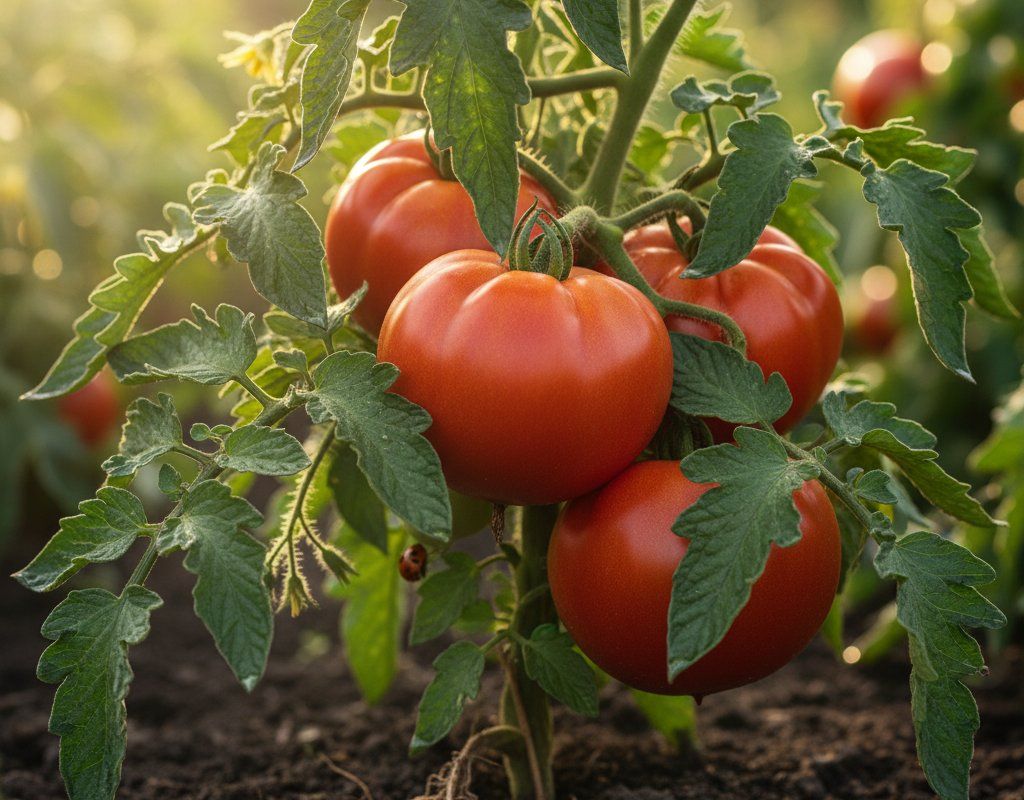
Beefsteak Tomatoes in Zone 9B — Florida
Solanum lycopersicum · Your Complete 2026 Planting Guide
Check Planting Details Below
See the full planting guide for timing information.
How to Plant Beefsteak Tomatoes in Zone 9B — Florida
Here are all your options for getting beefsteak tomatoes in the ground, from the easiest method to more advanced approaches.
Start Seeds Indoors
RecommendedMid December through early January
around December 23
Then transplant: Early February through early March
Start seeds 6-8 weeks before transplanting outdoors.
Buy Starts
Works WellEarly February through early March
around February 3
Plant purchased starts after last frost (January 20).
Direct Sow Seeds
ChallengingDirect sowing is not typical for Beefsteak Tomatoes.
Transplant Outdoors
Timing InfoEarly February through early March
around February 3
Wait until nighttime temperatures stay above 50°F.
You have a nice window — no need to rush.
Overview
Beefsteak tomatoes offer Florida gardeners the ultimate reward: massive, meaty fruits perfect for sandwiches and slicing that can weigh over a pound each. In our 344-day growing season, you can grow these giants during the cooler months when our reversed calendar makes tomato growing actually enjoyable rather than a battle against summer heat and humidity. The satisfaction of harvesting a single tomato that feeds the whole family makes the effort worthwhile, especially when you time it right with our unique Florida schedule.
Yes, our extreme humidity and sandy soils present challenges, but beefsteaks thrive when you plant them during our prime tomato season - fall through spring. Skip the summer frustration that many new Florida gardeners experience and embrace our winter growing advantage. With proper timing, you'll be harvesting these beauties while northern gardeners are still planning their spring gardens.
Starting Seeds Indoors
Start your beefsteak tomato seeds indoors from mid-December through early January, about six weeks before you plan to transplant them outside. This timing puts you ahead of our reversed spring schedule, giving plants time to establish before our intense heat arrives. Use seed trays with quality potting mix and keep them warm - 70-75°F works perfectly for germination.
Set up your seedlings under grow lights or in a sunny south-facing window once they sprout. Bottom watering works best to prevent fungal issues that plague Florida gardeners - set seed trays in shallow water and let the soil absorb moisture from below. This method keeps the foliage dry, which matters when you're starting seeds during our humid winter months.
Keep seedlings indoors for about 6 weeks, gradually reducing water as transplant time approaches. Your goal is stocky, healthy plants with strong stems that can handle our sometimes unpredictable February weather patterns.
Transplanting Outdoors
Transplant your beefsteak seedlings outdoors from early February through early March, when nighttime temperatures consistently stay above 50°F. This timing takes advantage of our mild Florida winters before summer heat makes tomato growing miserable. You'll want to harden off your plants for one week before the final move - gradually expose them to outdoor conditions for longer periods each day.
Space plants 36-48 inches apart since beefsteaks are vigorous growers that need excellent air circulation in our humid climate. The wide spacing helps prevent fungal diseases that thrive when plants are crowded together in our moisture-heavy air. Plant them slightly deeper than they were in containers, burying part of the stem to encourage strong root development.
Watch for late cold snaps during transplant season - keep row covers handy for unexpected temperature drops. Our sandy soil drains quickly, so water transplants thoroughly and consider adding compost to help with moisture retention during their establishment period.
Watering Beefsteak Tomatoes in Zone 9B (Florida)
Beefsteak tomatoes demand consistent, deep watering throughout our growing season, especially as those massive fruits develop. In Florida's sandy soil, you'll need about 2 inches of water per week during active growth, delivered slowly and deeply rather than frequent shallow sprinkles. The finger test works perfectly - stick your finger 2 inches into the soil, and if it's dry, it's time to water.
During our dry winter months, you'll do most of the watering yourself since rainfall drops significantly. Water at the base of plants rather than overhead - our extreme humidity already creates perfect conditions for fungal diseases, and wet foliage makes it worse. Early morning watering gives plants time to dry before evening humidity peaks.
As we move into late spring and early summer, rainfall increases dramatically, often providing that 2-inch weekly requirement naturally. However, inconsistent water is beefsteak tomatoes' worst enemy - dry spells followed by heavy rain cause fruit cracking and blossom end rot. Mulch heavily around plants to maintain even soil moisture and buffer against our dramatic wet-dry cycles.
Watch for signs of water stress: wilting during midday heat (normal), yellow lower leaves (often overwatering in our humid conditions), or fruit cracking after rain (inconsistent watering). In our climate, slightly underwatering is usually safer than overwatering since our humidity keeps stress levels manageable.
Supporting Your Beefsteak Tomatoes
Install sturdy cages or stakes at planting time since beefsteak tomatoes grow into heavy, sprawling plants that can easily snap under their own weight. Use 6-foot tall cages made from concrete reinforcing wire, or drive 8-foot stakes 2 feet into the ground - these varieties need serious support for fruits that can weigh over a pound each. Flimsy store-bought tomato cages will collapse by mid-season.
Train the main stem upward and secure it loosely with soft ties every 12-18 inches of growth. As side branches develop and set fruit, provide additional support with extra stakes or ties. The combination of our sudden summer storms and heavy fruit loads means branches can snap without warning, so check your support system regularly.
Consider using the "Florida weave" method if you're growing multiple plants - run string between posts to create horizontal support lines that cradle branches without individual ties. This works especially well in our windy conditions and saves time during the growing season.
Pruning & Maintaining Beefsteak Tomatoes
Remove suckers - the shoots that grow between the main stem and branches - throughout the growing season to direct energy toward fewer, larger fruits. Beefsteak varieties naturally want to sprawl, but in Florida's humid conditions, a more open plant structure improves air circulation and reduces fungal disease pressure. Pinch suckers when they're small and soft rather than cutting larger ones.
Strip off lower leaves once fruit begins forming, especially any foliage touching the ground. Our humid conditions and frequent rain create perfect conditions for soil-borne diseases to splash up onto plants. Keep the bottom 12 inches of stem clear of leaves throughout the season.
As first frost approaches in late December, top the plants by removing the growing tip. This forces the plant to put energy into ripening existing fruit rather than producing new flowers. You can also remove any small, late-forming fruits that won't have time to mature before cold weather arrives.
🧪Fertilizing Beefsteak Tomatoes
Feeding Schedule
Organic Fertilizer Options
Harvest Time
Expect your first harvest from late April through mid-June, about 85 days after transplanting. Beefsteak tomatoes are ready when they develop their full deep color and yield slightly to gentle pressure when cupped in your hand - they should feel heavy for their size. Don't wait until they're completely soft, as they'll continue ripening after picking and soft tomatoes are prone to cracking.
Harvest regularly to encourage continued production, checking plants every 2-3 days during peak season. Twist and pull ripe fruits gently, or use clean scissors to cut the stem if the fruit resists. Handle these heavy tomatoes carefully - their weight makes them prone to bruising if dropped or squeezed.
As summer heat intensifies, production slows dramatically and quality often suffers in our extreme temperatures. Many Florida gardeners wrap up their tomato harvest by early summer and focus on heat-loving crops instead. When first frost threatens in late December, harvest all remaining green fruits - they'll ripen indoors in a paper bag or on a sunny windowsill.
Continue harvesting until plants decline in the summer heat or you decide to remove them for fall plantings. In Florida's long growing season, you have the luxury of timing your harvest to avoid the most challenging weather periods.
Common Problems in Zone 9B (Florida)
Cracking
Your tomatoes develop splits in the skin, either as rings around the stem or lines radiating outward from the top. These cracks expose the flesh and often lead to rot, making beautiful beefsteaks inedible. The splits typically appear after heavy rain or inconsistent watering.
This happens when fruit absorbs water faster than the skin can expand, usually after a dry period followed by heavy watering or rain. Florida's dramatic weather swings between dry spells and sudden downpours create perfect conditions for this problem. Some beefsteak varieties are naturally more prone to cracking than others.
Water consistently to avoid the dry-wet cycle that triggers cracking. Mulch heavily to maintain even soil moisture, and harvest fruits promptly when they reach full color. During our rainy season, consider covering plants temporarily during heavy downpours if cracking becomes severe.
Catfacing
Fruits develop deep grooves, scars, and lumpy deformities on the blossom end, making tomatoes look misshapen and unsightly. The scarring creates deep crevices that can trap moisture and debris. While ugly, the fruit is still perfectly edible if you cut around the damaged areas.
Cool temperatures during flowering cause incomplete pollination, which leads to these deformities. This often happens when you transplant too early or during unexpected cold snaps in February and March. Beefsteak varieties are particularly susceptible due to their large fruit size. Herbicide drift can also cause similar symptoms.
Avoid planting too early when nighttime temperatures still drop below 55°F regularly. Use row covers during unexpected cold spells to maintain warmer conditions around flowers. Choose beefsteak varieties known to be less prone to catfacing if this becomes a recurring problem.
Blossom End Rot
A dark brown or black leathery patch develops on the bottom (blossom end) of fruits, starting small but often expanding to cover a large area. The affected tissue becomes sunken and tough, ruining the fruit. This typically affects the first fruits of the season most severely.
Despite looking like a disease, this is actually a calcium deficiency caused by inconsistent watering rather than lack of calcium in the soil. Our sandy soils drain quickly, creating the drought-flood cycles that prevent plants from absorbing calcium properly. Excessive nitrogen fertilizer makes the problem worse.
Water consistently and deeply - this is the single most effective fix. Mulch heavily to maintain even soil moisture in our fast-draining sandy soil. Avoid over-fertilizing with nitrogen, which interferes with calcium uptake. Remove affected fruits promptly to redirect energy to healthy ones.
Slow to Ripen
Large green tomatoes hang on plants well past their expected maturity date, refusing to turn red despite their size. Fruits may stay green for weeks longer than the 85-day expectation, especially during cooler periods. This is particularly frustrating with expensive beefsteak varieties.
Beefsteak tomatoes naturally ripen slower than smaller varieties, and cool temperatures below 60°F significantly slow the process. Too much nitrogen fertilizer or insufficient sunlight also delays ripening. Our mild Florida winters can sometimes keep nighttime temperatures just cool enough to slow fruit development.
Ensure plants receive full sun and reduce nitrogen fertilizer if you've been feeding heavily. Remove excess foliage that shades developing fruit. As temperatures cool in late fall, harvest large green fruits and ripen them indoors in paper bags. Stop fertilizing 6 weeks before expected frost to encourage ripening.
Florida Specific Challenges
Our extreme humidity creates perfect conditions for fungal diseases that can quickly devastate beefsteak tomato plants. The combination of warm temperatures and moisture-saturated air means diseases spread faster here than in drier climates. Additionally, our sandy soils drain quickly but don't hold nutrients well, requiring more frequent attention to fertilization and consistent watering schedules.
Best Companions for Beefsteak Tomatoes
Plant these nearby for healthier Beefsteak Tomatoes and better harvests.
View Full Companion Planting Chart →



Companion Planting Details
Plant basil alongside your beefsteak tomatoes - it reportedly improves flavor while deterring aphids and whiteflies that thrive in our humid conditions. Carrots and parsley make excellent companions since their smaller root systems don't compete with tomatoes for space, and parsley actually helps repel harmful insects. Marigolds planted around the perimeter create a natural barrier against nematodes, which are a persistent problem in Florida's sandy soils.
Avoid planting brassicas like cabbage or broccoli near tomatoes since they're heavy feeders that compete for nutrients in our nutrient-poor sand. Fennel releases compounds that can stunt tomato growth, and corn attracts the same hornworms that devastate tomato plants. In Florida's intensive growing conditions, these competitive relationships become more pronounced than in cooler climates where plants grow more slowly.
🌸Best Flowers to Plant with Beefsteak Tomatoes
These flowers protect your Beefsteak Tomatoes from pests and attract pollinators for better harvests.


Get a Reminder When It's Time to Plant
We'll email you when key planting windows open for your zone.