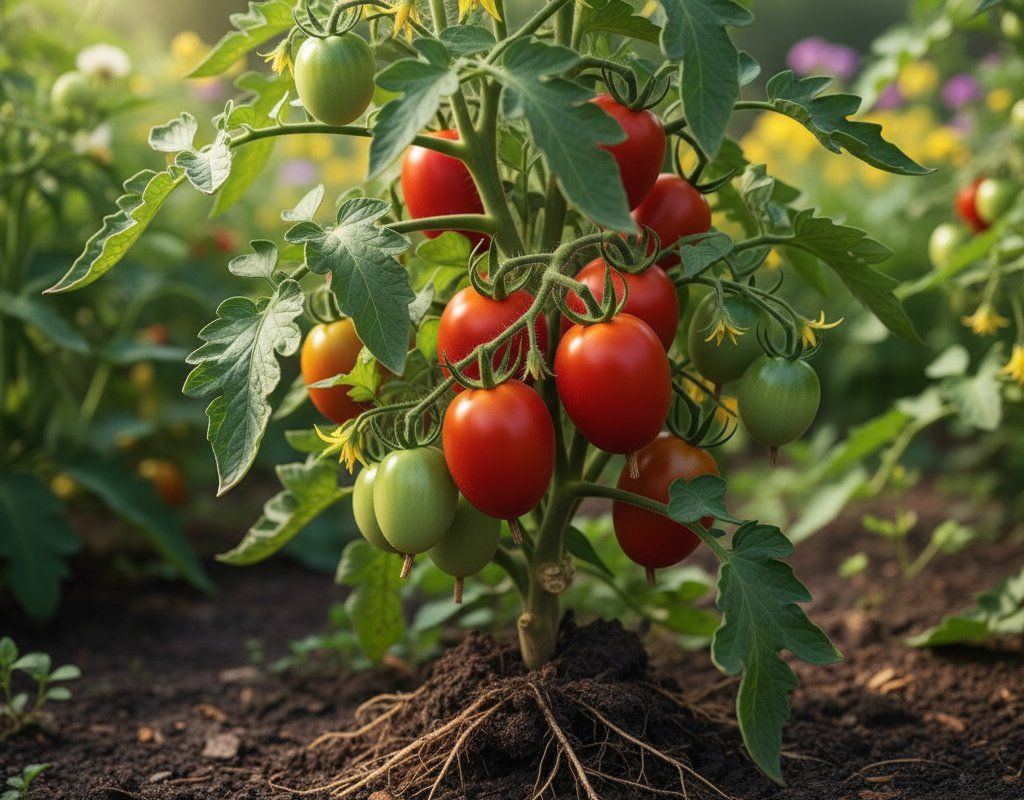
Roma Tomatoes in Zone 9B — Florida
Solanum lycopersicum · Your Complete 2026 Planting Guide
Check Planting Details Below
See the full planting guide for timing information.
How to Plant Roma Tomatoes in Zone 9B — Florida
Here are all your options for getting roma tomatoes in the ground, from the easiest method to more advanced approaches.
Start Seeds Indoors
RecommendedMid December through early January
around December 23
Then transplant: Early February through early March
Start seeds 6-8 weeks before transplanting outdoors.
Buy Starts
Works WellEarly February through early March
around February 3
Plant purchased starts after last frost (January 20).
Direct Sow Seeds
ChallengingDirect sowing is not typical for Roma Tomatoes.
Transplant Outdoors
Timing InfoEarly February through early March
around February 3
Wait until nighttime temperatures stay above 50°F.
You have a nice window — no need to rush.
Overview
Roma tomatoes are the backbone of serious Florida gardening — these meaty paste tomatoes give you thick-walled fruit perfect for sauce, paste, and canning that store-bought varieties can't match. In our subtropical climate, you'll harvest heavy clusters of elongated red fruit just as your neighbors up north are still waiting for their last frost, giving you a solid head start on preserving season.
Florida's hot summers and high humidity mean tomato growing follows our reversed calendar, but Roma's determinate habit works perfectly here. You'll plant in late winter, harvest through late spring, and have your preservation work done before the brutal summer heat sets in. With our 344-day growing season, you can even squeeze in a small fall planting if you time it right.
Starting Seeds Indoors
Start Roma seeds indoors during mid-December through early January, giving yourself about 6 weeks before transplanting. Since Florida's spring arrives early, you're starting seeds while gardeners elsewhere are still planning their gardens. Use seed-starting trays filled with quality potting mix, and keep them consistently warm — around 70-75°F works well.
Bottom watering prevents fungal issues that plague Florida's humid environment. Set your seed trays in larger trays filled with water, letting the soil absorb moisture from below. This keeps the soil surface drier while ensuring even moisture throughout. Place trays under grow lights or in your brightest south-facing window.
Your seedlings need strong light once they germinate to prevent the spindly growth that weak winter sun can cause. If using grow lights, keep them just a few inches above the seedlings and adjust upward as plants grow.
Transplanting Outdoors
Transplant your Roma seedlings outdoors during early February through early March, after they've developed their second set of true leaves. This timing puts you ahead of potential late-season cold fronts that can still surprise Florida in February. Space plants 24-36 inches apart — the wider spacing helps air circulation in our humid climate.
Harden off seedlings gradually over one week by placing them outside for a few hours each day, gradually increasing exposure. Start with morning sun only, then add afternoon hours. Florida's intense UV can shock tender indoor-grown plants, so this step prevents transplant setback.
Watch weather forecasts during transplant time — unexpected cold snaps can still hit in February. Have row covers ready to protect young plants if temperatures threaten to drop below 50°F overnight.
Watering Roma Tomatoes in Zone 9B (Florida)
Roma tomatoes need consistent, deep watering year-round in Florida, but your approach changes dramatically with our seasons. During the growing season (late winter through late spring), provide about 1-2 inches per week through deep, infrequent watering. Test soil moisture by sticking your finger 2 inches deep — if it's dry, it's time to water.
Water at the base of plants rather than overhead to reduce fungal problems in our humid climate. Overhead watering combined with 85%+ humidity creates perfect conditions for early blight and other leaf diseases. Use soaker hoses or drip irrigation when possible, or simply water slowly at soil level with a watering wand.
Roma's elongated fruit shape makes it especially prone to blossom end rot when watering is inconsistent. Those drought-to-flood cycles prevent calcium uptake, causing the characteristic dark, sunken spots on fruit bottoms. Mulch heavily around plants to maintain even soil moisture — this single step prevents most blossom end rot issues.
As summer approaches and afternoon thunderstorms become regular, adjust your watering schedule. You may need to supplement natural rainfall if storms miss your area, but watch for signs of overwatering like yellowing leaves or slow growth during particularly wet periods.
Supporting Your Roma Tomatoes
Install cages or stakes at planting time since Roma's determinate growth habit produces heavy fruit clusters that can break unsupported branches. Standard tomato cages work perfectly — you don't need the tall cages required for indeterminate varieties since Roma plants stay relatively compact at 3-4 feet tall.
Choose sturdy cages that can handle Florida's summer storms. Heavy fruit loads combined with sudden downpours and wind can topple inadequate support systems. Push cages at least 6 inches deep into our sandy soil, or stake them to prevent toppling.
Train main stems gently through cage openings as plants grow, but avoid heavy pruning since determinate varieties like Roma produce their fruit all at once. Light pruning of lower suckers improves air circulation, which helps prevent fungal diseases in our humid climate.
🧪Fertilizing Roma Tomatoes
Feeding Schedule
Organic Fertilizer Options
Harvest Time
Your first Roma tomatoes ripen during mid-April through early June, about 75 days from transplant. Look for deep red color throughout the fruit with firm flesh that gives slightly to pressure. Ripe Roma tomatoes detach easily from the stem with a gentle twist — forced picking usually means they need more time.
Unlike indeterminate varieties, Roma produces most of its fruit within a concentrated timeframe, making it perfect for bulk processing. Harvest fruit as it ripens rather than waiting for all fruit to mature simultaneously, which can stress the plant and reduce overall production.
Test ripeness by looking at the blossom end (opposite the stem) — it should show red color rather than green or yellow tinges. Roma's thick walls mean fruit can look ripe from the sides while still showing immaturity at the bottom.
Since our growing season ends before winter cold arrives, you have flexibility with end-of-season harvests. Green fruit picked before late December can ripen indoors if you want to extend your harvest, though Florida's mild winter often allows plants to continue producing until Christmas or beyond.
Common Problems in Zone 9B (Florida)
Blossom End Rot Dark, sunken, leathery patches appear on the bottom (blossom end) of developing fruit, often affecting your first tomatoes of the season. This calcium deficiency results from inconsistent watering rather than disease — our sandy Florida soil drains quickly, creating drought-flood cycles that prevent proper calcium uptake. Maintain consistent soil moisture through regular deep watering and heavy mulching. Remove affected fruit immediately since they won't recover.
Early Blight Brown spots with distinctive concentric rings (bullseye pattern) appear on lower leaves first, then spread upward until leaves yellow and drop. This fungal disease thrives in Florida's warm, humid conditions and spreads through soil splash onto lower foliage. Remove affected leaves immediately and destroy them (don't compost). Mulch heavily to prevent soil splash, water at plant base rather than overhead, and improve air circulation through proper spacing.
Fusarium Wilt Plants wilt on one side first, then throughout, with yellowing leaves and brown streaks visible inside stems when cut. This soil-borne fungus persists for years and enters through roots, favored by warm soil temperatures common in Florida. No cure exists once plants are infected — remove and destroy affected plants immediately. Plant resistant varieties marked with 'F' on seed packets, rotate crop locations yearly, and consider soil solarization during summer heat.
Florida Specific Challenges Our combination of intense heat, extreme humidity, and heavy summer rainfall creates perfect storm conditions for fungal diseases. The wet-summer pattern (50-65 inches annually) means managing moisture becomes critical rather than providing it. Focus on drainage, air circulation, and resistant varieties to succeed with tomatoes in Florida's challenging climate.
Best Companions for Roma Tomatoes
Plant these nearby for healthier Roma Tomatoes and better harvests.
View Full Companion Planting Chart →



Companion Planting Details
Plant basil alongside Roma tomatoes for natural pest deterrence and improved flavor — basil repels aphids and hornworms while thriving in the same growing conditions. Carrots work well as understory plants since they mature quickly and don't compete for nutrients, plus their feathery foliage adds beneficial diversity. Parsley provides ground cover that helps retain soil moisture while attracting beneficial insects that prey on tomato pests.
Marigolds planted around tomato beds help deter nematodes, which can be problematic in Florida's sandy soils. Avoid planting brassicas like cabbage or broccoli nearby since they compete heavily for nutrients and can harbor similar pests. Skip fennel entirely — its allelopathic properties inhibit tomato growth, and corn attracts hornworms while creating too much shade in close plantings.
🌸Best Flowers to Plant with Roma Tomatoes
These flowers protect your Roma Tomatoes from pests and attract pollinators for better harvests.
For Pest Control



For Pollinators

Get a Reminder When It's Time to Plant
We'll email you when key planting windows open for your zone.