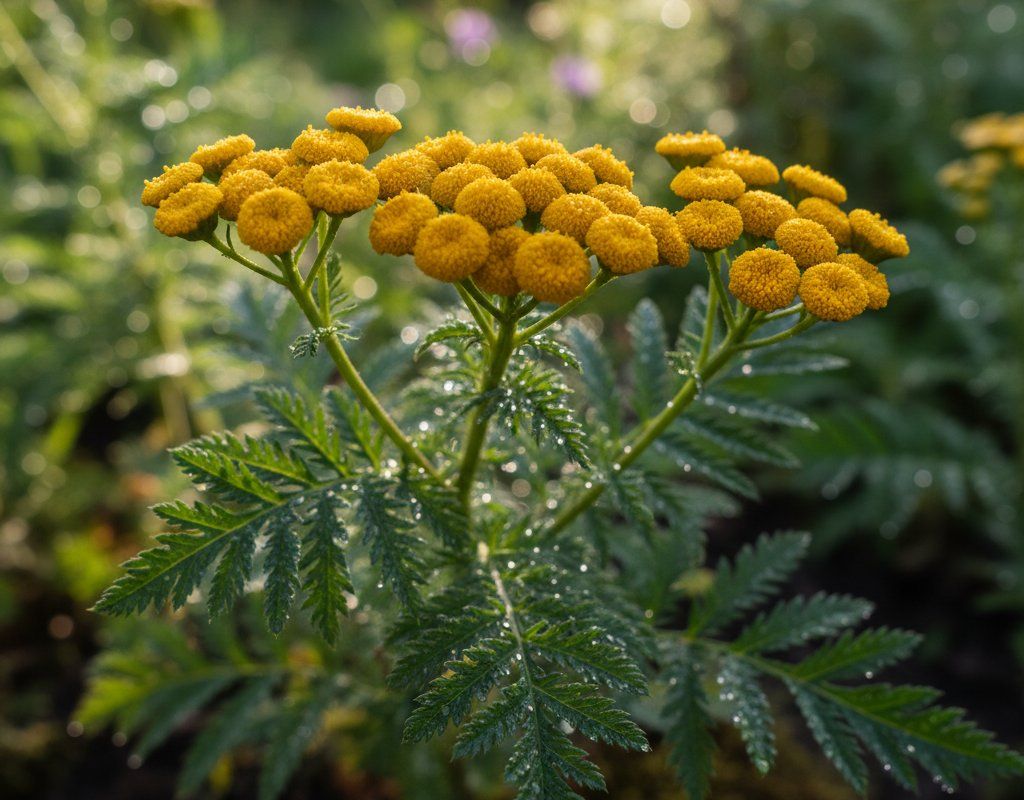
Tansy in Zone 3A — Mountain West
Tanacetum vulgare · Your Complete 2026 Planting Guide
Planning Ahead — Great!
You’re ahead of the season. Here’s when to start.
Mark Your Calendar
How to Plant Tansy in Zone 3A — Mountain West
Here are all your options for getting tansy in the ground, from the easiest method to more advanced approaches.
Direct Sow Seeds
RecommendedMid May through early June
around May 18
Direct sow as soon as conditions allow.
Start Seeds Indoors
RecommendedLate March through mid April
around April 6
Then transplant: Mid May through early June
Start seeds 6-8 weeks before transplanting outdoors.
Buy Starts
Works WellMid May through early June
around May 18
Plant purchased starts after last frost (June 1).
Transplant Outdoors
Timing InfoMid May through early June
around May 18
Can tolerate light frost, but wait for soil to be workable.
Plan to transplant within a few weeks of your target date.
Overview
Tansy is worth a spot in your Zone 3A garden for its striking appearance and its usefulness as a natural insect repellent. Here in the Mountain West, we can appreciate its robust nature, which thrives in our intense sunlight and tolerates our alkaline soil. Plus, the satisfaction of growing a plant that helps keep pests away from your other crops is hard to beat.
Our short growing season and occasional late frosts can present challenges, but Tansy's relatively quick 75-day maturity means you'll have plenty of time to enjoy it. With a little planning, you can easily fit Tansy into our 96-day growing season.
Starting Seeds Indoors
Starting Tansy indoors isn't strictly necessary in our Mountain climate, but it can give you a head start, especially if you're aiming for the earliest possible bloom. Begin your seeds indoors from late March through mid April, about six weeks before the typical transplant window.
Use seed trays with a good seed-starting mix, and keep them in a warm spot with plenty of light – a south-facing window or grow lights work well. Bottom watering will help prevent damping-off, a common issue with seedlings. Just set the tray in a shallow dish of water and let the soil absorb it from the bottom. Remember, our spring weather can be unpredictable, so indoor starting offers a bit more control.
Transplanting Outdoors
Transplant your Tansy seedlings outdoors from mid May through early June, once the risk of hard frost has passed. Be sure to harden them off for about a week beforehand by gradually exposing them to outdoor conditions. Start with an hour or two of sunlight and wind, increasing the time each day.
Plant them 12-18 inches apart in a well-drained location. Even in late May, we can still get some chilly nights, so keep an eye on the forecast and be prepared to cover your transplants if necessary. Our intense sun can also be a shock, so consider providing some temporary shade for the first few days after transplanting.
Direct Sowing
Direct sowing Tansy is a perfectly viable option in our Mountain climate, and it saves you the hassle of starting seeds indoors. Wait until mid May through early June, when the soil has warmed up a bit.
Prepare the soil by loosening it and removing any rocks or debris. Sow the seeds shallowly, about 1/4 inch deep, and keep the soil consistently moist until they germinate. Thin the seedlings to 12-18 inches apart once they're a few inches tall. Direct sowing is simple, but keep in mind that germination can be slower and less reliable than starting indoors.
Watering Tansy in Zone 3A (Mountain West)
Tansy is exceptionally drought-tolerant, which makes it a great choice for our dry Mountain climate. In general, you can almost neglect it, but some water is needed.
During the peak of summer (typically July and August), give your Tansy a good soaking only when the top two inches of soil feel dry to the touch – use the "finger test." Usually, this translates to about 1 inch of water per week, but adjust based on rainfall. Water at the base of the plant to avoid wetting the foliage, which can encourage fungal diseases, though this is less of a concern with our low humidity.
Signs of underwatering include wilting or yellowing leaves. Overwatering can lead to root rot, indicated by limp, mushy stems. A light layer of mulch, like wood chips or straw, can help retain moisture in the soil and reduce the need for frequent watering.
Pruning & Maintaining Tansy
Deadheading is the key to maintaining Tansy and preventing it from becoming overly aggressive in your garden. Remove the spent flower heads as soon as they start to fade. This will prevent the plant from self-seeding and spreading too much.
Throughout the growing season, focus on removing only the flower heads. Leave the foliage intact, as it continues to provide insect-repelling benefits. In late fall, after the first frost around early September, you can cut the entire plant back to the ground. This will help it overwinter and encourage new growth in the spring.
🧪Fertilizing Tansy
Feeding Schedule
Organic Fertilizer Options
Harvest Time
You can expect your first Tansy harvest from early August through mid September, about 75 days after planting. The key indicator is the presence of button-like yellow flowers, which signal that the plant is mature and ready to use as an insect repellent.
To harvest, simply cut the stems with flowers using sharp scissors or pruning shears. Handle the plant with care, as it can be mildly toxic if ingested in large quantities. Tansy is primarily used for its insect-repelling properties, not for culinary purposes. Regularly harvesting the flowers will encourage continued production throughout the season. As the first frost approaches in early September, harvest the remaining foliage for drying and future use.
Common Problems in Zone 3A (Mountain West)
Tansy is generally a hardy plant, but here are a couple of common problems you might encounter in our Mountain West gardens:
Invasive Spread
- What it looks like: Tansy spreading beyond its intended area, popping up in unwanted places in the garden or even in the lawn.
- What causes it: Tansy is a vigorous self-seeder, and the seeds can easily spread by wind or animals. Our long summer days and intense sunlight can encourage rapid growth and seed production.
- How to fix/prevent it: Contain Tansy by planting it in a pot or using underground barriers to prevent the roots from spreading. Deadhead regularly to prevent seed formation. Remove any unwanted seedlings promptly.
Aphids
- What it looks like: Clusters of tiny, soft-bodied insects (green, black, or white) on stems and leaf undersides. Sticky honeydew residue. Curled or distorted new growth.
- What causes it: Rapid-reproducing sap-sucking insects. Populations explode in warm weather. Ant colonies may farm them for honeydew.
- How to fix/prevent it: A strong spray of water can knock aphids off the plants. Encourage natural predators like ladybugs and lacewings. For heavy infestations, use insecticidal soap or neem oil. Avoid over-fertilizing with nitrogen, as this can attract aphids.
Mountain West Specific Challenges: Our moderate-at-altitude summer heat, low humidity, and dry climate generally favor Tansy, reducing the risk of fungal diseases. However, the intense UV radiation can stress the plants, making them more susceptible to pests like aphids. Consistent watering and providing some afternoon shade during the hottest part of the day can help mitigate this.
Best Companions for Tansy
Plant these nearby for healthier Tansy and better harvests.
View Full Companion Planting Chart →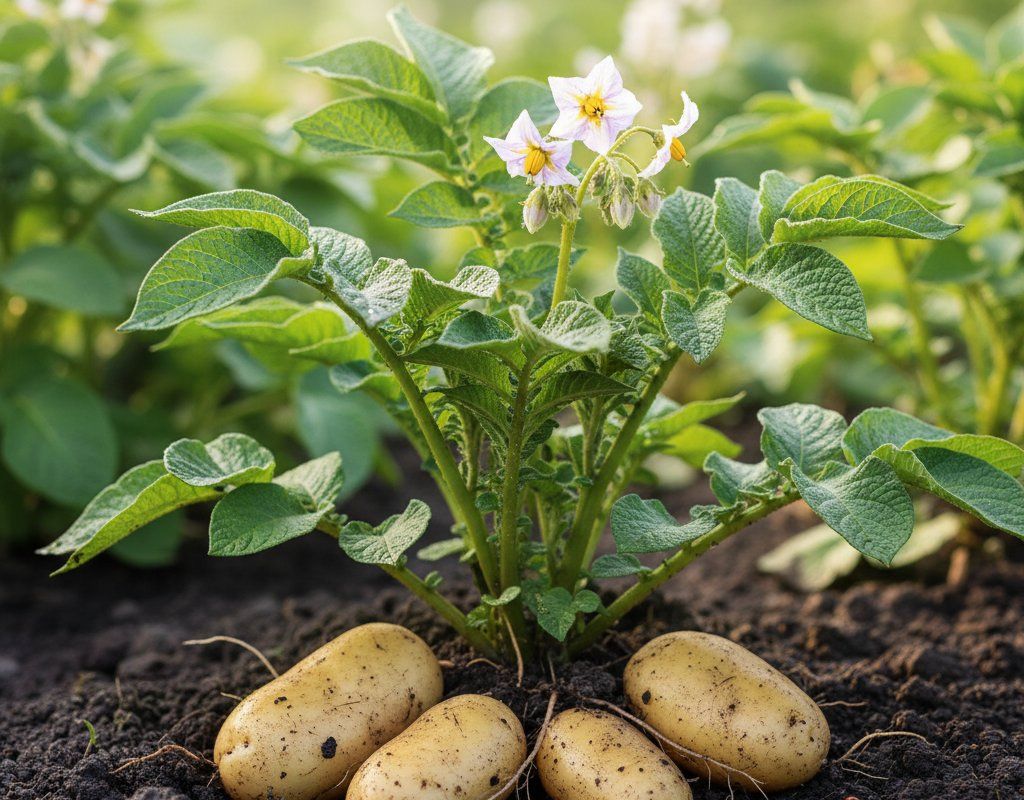


Companion Planting Details
Tansy makes some useful companions in the garden. Its strong scent repels many insects.
Good companions:
- Potatoes: Tansy repels potato beetles, a common pest in our region.
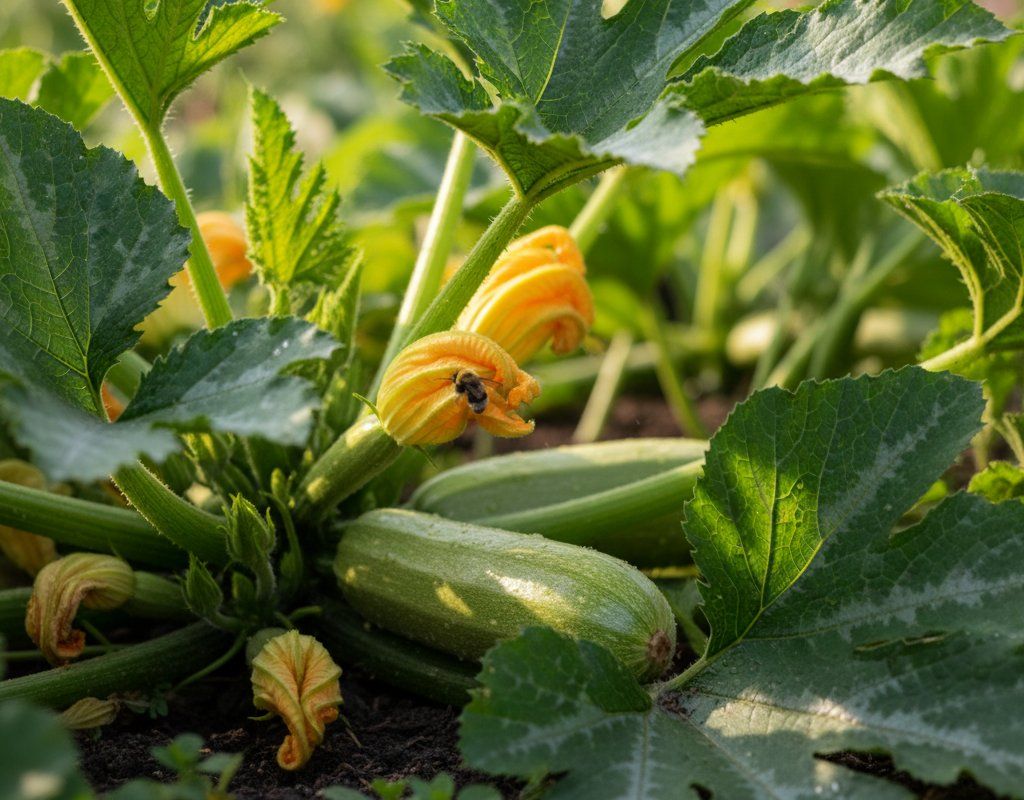
- Squash and Cucumbers: Tansy can deter squash bugs and cucumber beetles, protecting these vining crops.
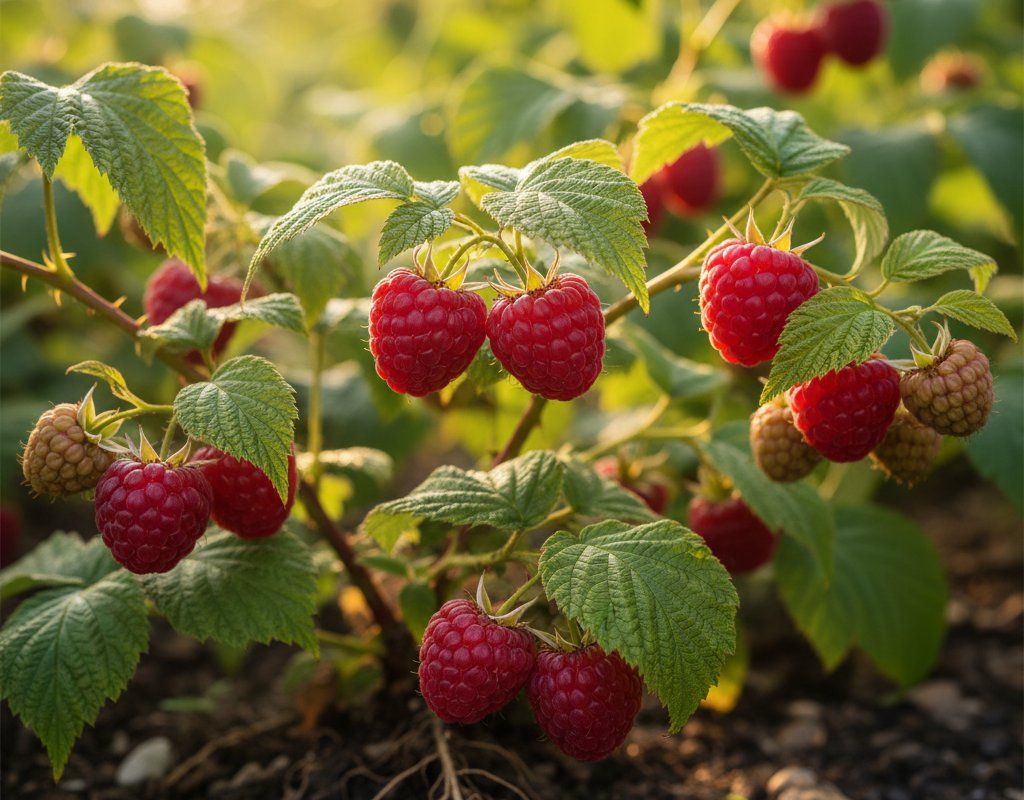
- Raspberries: Tansy can help repel raspberry beetles, which can damage the fruit.
Avoid planting Tansy near:
- Avoid planting near herbs like basil or mint. Tansy's strong scent can negatively impact their flavor.
🥬Best Vegetables to Pair With Tansy
Tansy benefits these vegetables through pest control, pollinator attraction, or improved garden health.


Get a Reminder When It's Time to Plant
We'll email you when key planting windows open for your zone.