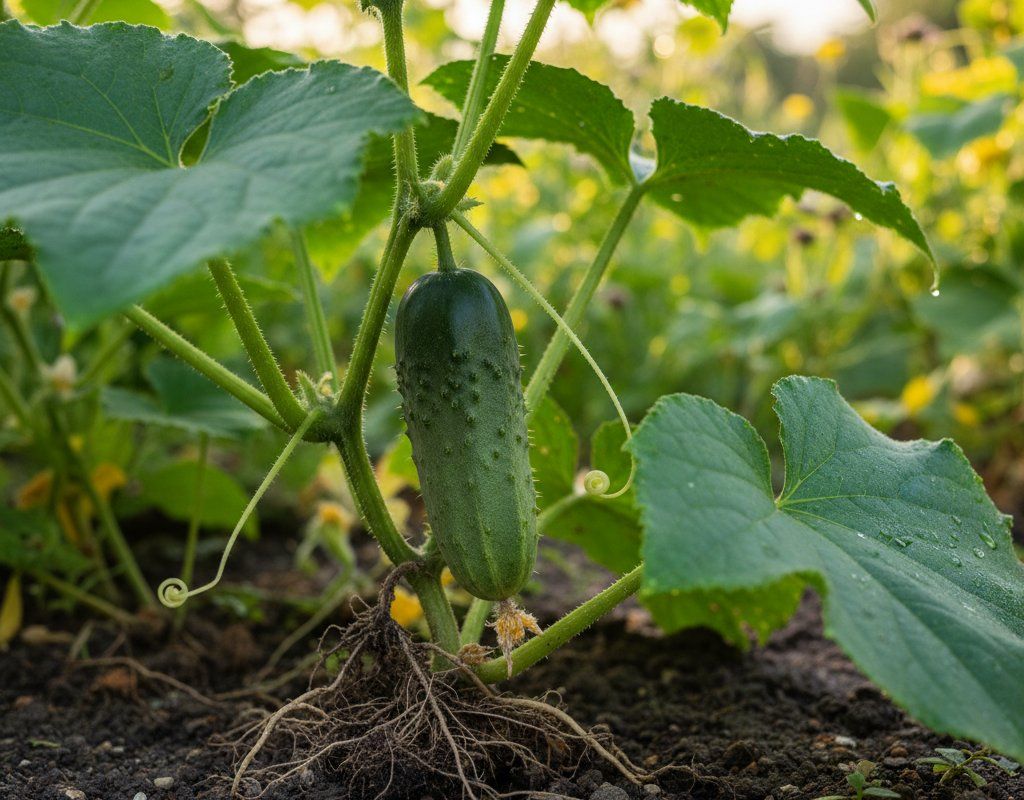
Cucumber in Zone 3A — Mountain West
Cucumis sativus · Your Complete 2026 Planting Guide
Planning Ahead — Great!
You’re ahead of the season. Here’s when to start.
Mark Your Calendar
How to Plant Cucumber in Zone 3A — Mountain West
Here are all your options for getting cucumber in the ground, from the easiest method to more advanced approaches.
Direct Sow Seeds
RecommendedEarly to late June
around June 8
Direct sow as soon as conditions allow.
Direct sowing is easiest. Start indoors only if you need a head start.
Buy Starts
Works WellMid to late June
around June 15
Plant purchased starts after last frost (June 1).
Start Seeds Indoors
Works WellMid May through early June
around May 25
Then transplant: Mid to late June
Start seeds 3-5 weeks before transplanting outdoors.
Start only 3 weeks before transplant — cucumbers grow fast and get rootbound.
Transplant Outdoors
Timing InfoMid to late June
around June 15
Wait until nighttime temperatures stay above 50°F.
Plan to transplant within a few weeks of your target date.
Overview
Growing cucumbers at high altitude brings the satisfaction of crisp, homegrown slices during our brief but intense Mountain summers. With our cool nights and intense sun, cucumbers develop exceptional flavor—that extra sugar content from cool nighttime temperatures makes them noticeably sweeter than store-bought varieties. The intense UV at altitude also concentrates nutrients, giving you truly superior fruit.
Your 96-day growing season might seem limiting for heat-loving cucumbers, but smart timing makes them absolutely manageable in Zone 3A. The key is working with our late spring warmup and protecting them from our occasional temperature swings. Once established after our early June last frost, they'll thrive in our moderate summer heat and low humidity conditions.
Starting Seeds Indoors
Starting cucumber seeds indoors makes sense if you want to maximize your short season, but it's not the primary method most Mountain gardeners use. If you choose this route, start seeds mid-May through early June—just 3 weeks before transplanting. Cucumbers grow incredibly fast and become rootbound quickly, so don't start them too early.
Set up seed trays in a warm spot (70-80°F) with good light once they germinate. Use bottom watering to keep the soil consistently moist without waterlogging the seeds. Our late spring means you're starting these indoors while it's still quite cool outside, which actually works well since you need controlled conditions anyway.
Remember, cucumbers hate root disturbance, so use individual cells or biodegradable pots. The indoor start gives you maybe 2-3 weeks advantage over direct sowing, which can be valuable when you're racing against early September frost.
Transplanting Outdoors
Transplant your indoor-started cucumber seedlings mid to late June, after soil temperatures stay consistently above 60°F and nighttime lows remain above 50°F. This timing ensures the soil has warmed adequately from our intense daytime sun while avoiding the shock of unexpected cool snaps.
Harden off seedlings gradually over a full week—our intense UV and low humidity can shock tender indoor plants. Start with just 1-2 hours of morning sun, building up to full outdoor exposure. Space plants 36-60 inches apart depending on whether you're trellising (closer) or letting them sprawl (farther).
Watch night temperatures closely during your first few weeks after transplanting. Even in late June, our cool nights can stress transplants. Consider row covers on hand for unexpected temperature drops, though you'll need to remove them once flowering begins for pollination.
Direct Sowing
Direct sowing is the easiest and most reliable method for growing cucumbers in the Mountain West. Sow seeds early to late June once soil temperatures consistently reach 65°F—usually after our soil has had 2-3 weeks of warming from our intense daytime sun. Test soil temperature with a thermometer rather than guessing.
Prepare your planting area by working in compost to improve water retention in our dry climate. Plant seeds 1 inch deep and space them according to your growing method—36 inches apart for trellised plants, up to 60 inches for ground sprawlers. Plant 2-3 seeds per spot and thin to the strongest seedling once they're established.
Direct-sown plants develop stronger root systems and handle our temperature fluctuations better than transplants. They also avoid transplant shock entirely. The trade-off is a slightly later harvest, but in our short season, the improved plant vigor often makes up for lost time.
Watering Cucumber in Zone 3A (Mountain West)
Cucumbers are 95% water and need consistent, deep watering to thrive—especially critical in our dry Mountain climate with 10-20 inches of annual rainfall. Plan to provide about 1-1.5 inches of water weekly, delivered in 2-3 deep soaking sessions rather than frequent shallow watering. Our low humidity means soil dries faster than in other regions.
Use the finger test religiously: stick your finger 2 inches into the soil near the plant base. If it's dry at that depth, it's time to water. In our moderate summer heat (typically 85°F highs), you'll likely water every 2-3 days during peak growing season. Morning watering works best—it gives plants time to absorb water before our intense afternoon sun.
Water at the base rather than overhead to maximize efficiency in our low-humidity environment and prevent foliar diseases. Drip irrigation or soaker hoses work exceptionally well here. Drought stress causes bitter fruit, so consistency matters more than total volume. Watch for wilting in late afternoon heat—that's your first warning of water stress.
Apply 2-3 inches of organic mulch around plants to conserve moisture in our dry conditions. Straw or shredded leaves work well and help moderate soil temperature swings. Remove mulch temporarily if you need soil to warm up faster in early season.
Supporting Your Cucumber
Trellising cucumbers vertically saves precious garden space and works exceptionally well in our intense Mountain sun and low humidity conditions. Install sturdy trellises at planting time—either A-frame structures, cattle panels, or strong stakes with netting. Vertical growing also improves air circulation, reducing disease pressure in areas where cool nights create dew.
Train young vines by gently wrapping tendrils around support structures weekly. Cucumbers climb naturally with their tendrils, but they need guidance initially. As plants grow, the improved air circulation from vertical growing helps prevent powdery mildew—a common issue when our cool nights meet warm days.
You can also let cucumbers sprawl on the ground if you have space, though trellised fruit tends to be straighter and cleaner. Ground-growing plants need more room (60-inch spacing) but can actually handle temperature fluctuations better since soil provides thermal mass.
🧪Fertilizing Cucumber
Feeding Schedule
Organic Fertilizer Options
Harvest Time
Expect your first cucumbers early August through early September, about 55 days from seeding. In our short season, that timing works perfectly—you'll be harvesting during our peak summer weather before early September frost threatens. Check plants daily once fruit begins forming because cucumbers grow rapidly in our intense sun.
Harvest cucumbers when they're firm, dark green, and the appropriate size for your variety—usually 6-8 inches for slicing types. Pick them before they start yellowing or developing a glossy appearance, which indicates overripeness. Overripe cucumbers turn bitter and seedy, especially under stress from our temperature swings.
Use a sharp knife or pruning shears to cut stems rather than pulling fruit off vines. Pulling can damage the plant and reduce future production. Check plants every other day during peak season—cucumbers can double in size within 48 hours under our intense growing conditions.
Keep harvesting regularly to encourage continued production through late August. As nights start cooling in late August, production naturally slows. Plan your final plantings so fruit has time to mature before early September frost, or be prepared to cover plants during cool snaps to extend harvest.
Common Problems in Zone 3A (Mountain West)
Powdery Mildew White or grayish powdery coating appears on leaves, stems, and sometimes fruit surfaces. Leaves curl, yellow, and eventually die back, reducing plant vigor significantly. In our Mountain climate, this fungus thrives on the combination of warm days, cool nights, and morning dew formation. Improve air circulation through proper spacing and consider removing lower leaves. Neem oil or potassium bicarbonate sprays help control spread. Surprisingly, milk spray (1 part milk to 9 parts water) works effectively as a preventative treatment.
Cucumber Beetles Small yellow-green beetles with black spots or stripes feed on leaves and flowers, creating small holes throughout the plant. More seriously, these beetles transmit bacterial wilt disease that causes plants to suddenly collapse and die. Our intense UV doesn't deter these pests, and they're particularly problematic during establishment. Use row covers until flowering begins (remove for pollination). Hand-pick adults in early morning when they're sluggish. Yellow sticky traps and neem oil sprays provide additional control.
Bitter Fruit Cucumbers develop an unpleasant bitter taste, especially near the stem end, even though they look normal otherwise. This occurs when plants produce excess cucurbitacin due to water stress, temperature extremes, or inconsistent watering—all challenges in our climate with temperature swings and dry conditions. Maintain consistent soil moisture and avoid letting plants experience drought stress. Harvest regularly since oversized fruit becomes more bitter. Choose 'burpless' or bitter-free varieties bred for stress tolerance.
Mountain West Specific Challenges: Our moderate summer heat combined with low humidity and intense UV creates unique growing conditions. The dry air means faster soil moisture loss, making consistent watering crucial. Cool nights, while beneficial for flavor, can stress plants if combined with drought conditions. Our alkaline soils may also contribute to nutrient uptake issues that increase stress-related problems.
Best Companions for Cucumber
Plant these nearby for healthier Cucumber and better harvests.


Keep Away From
Companion Planting Details
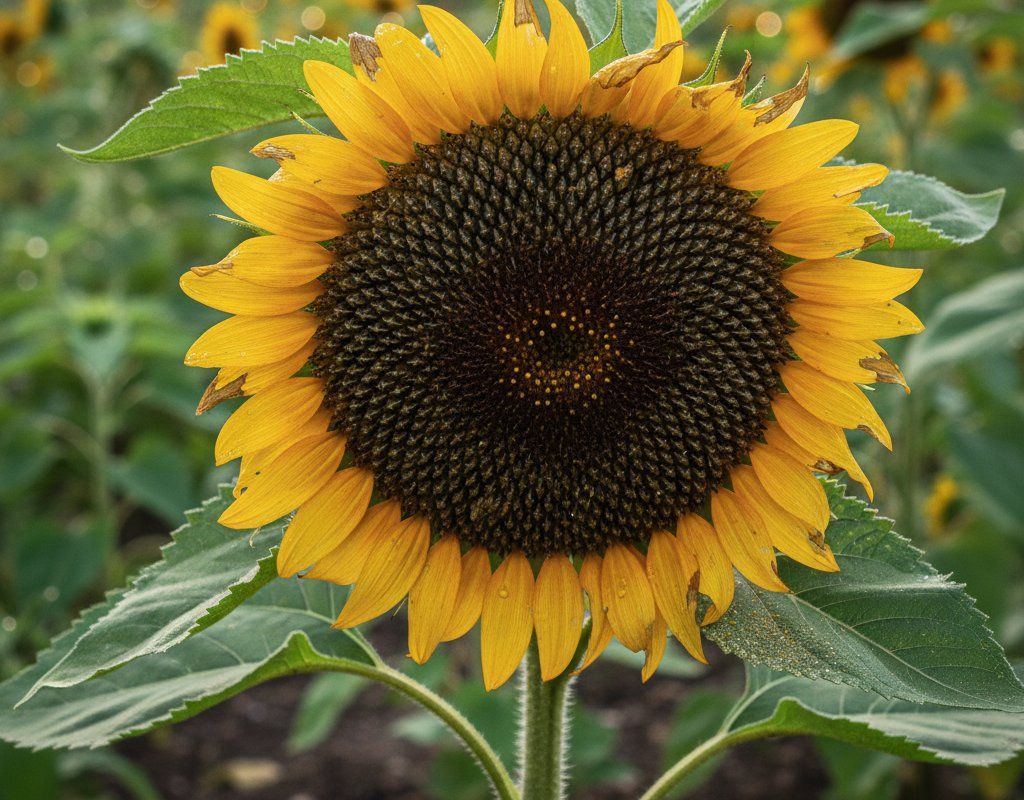
Plant cucumbers alongside beans, corn, and peas—these nitrogen-fixers improve soil fertility while cucumber vines can climb corn stalks for natural support. Radishes planted nearby help deter cucumber beetles and mature quickly in our short season, making efficient use of space. Sunflowers provide afternoon shade during our intense UV exposure while attracting beneficial insects that help with pest control.
Avoid planting potatoes near cucumbers as they compete for similar nutrients and can harbor diseases that affect both crops. Keep aromatic herbs like sage and rosemary at a distance—their strong scents can actually repel the pollinators that cucumbers depend on for fruit set. In our low-humidity environment, focus on companions that help retain soil moisture or provide beneficial shade during peak afternoon sun.
🌸Best Flowers to Plant with Cucumber
These flowers protect your Cucumber from pests and attract pollinators for better harvests.
For Pest Control







Get a Reminder When It's Time to Plant
We'll email you when key planting windows open for your zone.