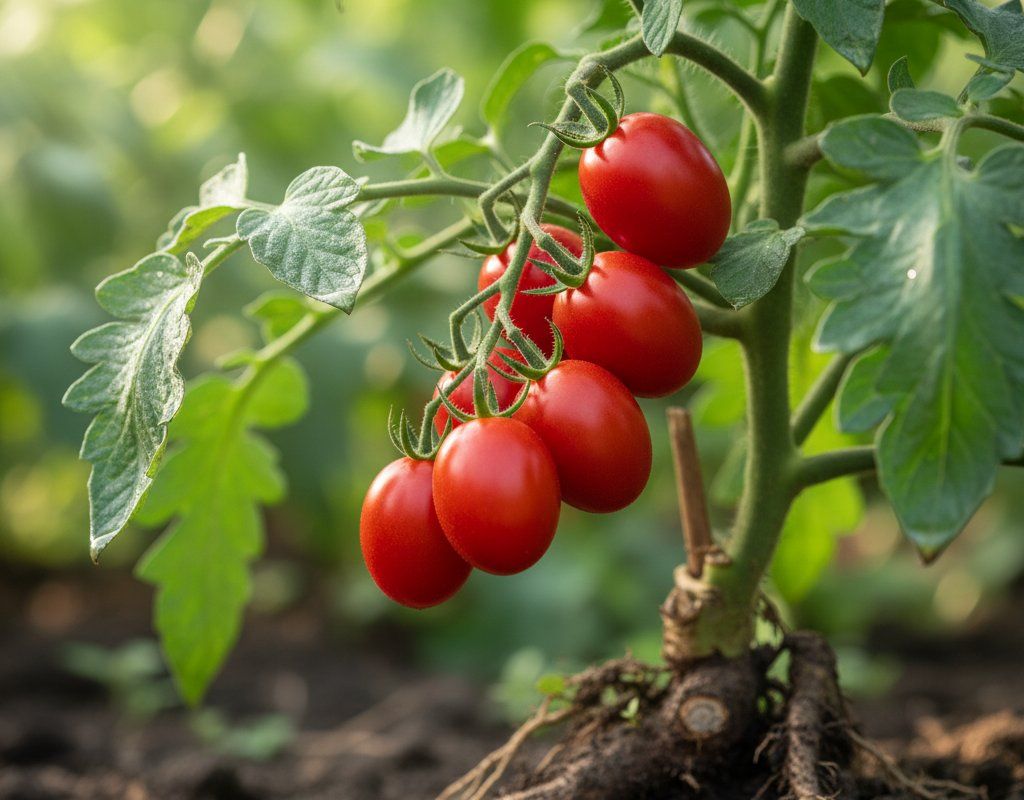
Grape Tomatoes in Zone 9A — Desert Southwest
Solanum lycopersicum var. cerasiforme · Your Complete 2026 Planting Guide
Time to Buy Starts!
Seed starting window passed, but starts are available now.
Buy Starts Now
Head to your local nursery, Home Depot, or farmers market for transplants.
- Look for stocky plants with dark green leaves
- Avoid leggy seedlings or plants already flowering
- Check that roots aren't circling the pot (rootbound)
How to Plant Grape Tomatoes in Zone 9A — Desert Southwest
Here are all your options for getting grape tomatoes in the ground, from the easiest method to more advanced approaches.
Start Seeds Indoors
RecommendedMid January through early February
around January 18
Then transplant: Early to late March
Start seeds 6-8 weeks before transplanting outdoors.
Buy Starts
Works WellEarly to late March
around March 1
Plant purchased starts after last frost (February 15).
Direct Sow Seeds
ChallengingDirect sowing is not typical for Grape Tomatoes.
Transplant Outdoors
Timing InfoEarly to late March
around March 1
Wait until nighttime temperatures stay above 50°F.
You have a nice window — no need to rush.
Overview
Growing grape tomatoes in the Desert Southwest gives you the perfect balance of cherry tomato sweetness with the thicker skin that handles our extreme heat better than delicate varieties. These oblong beauties produce abundant clusters throughout our extended growing season, and their sturdy nature means less cracking during our monsoon downpours. You'll get that fresh-off-the-vine flavor that makes store-bought tomatoes seem like cardboard, plus they're perfect for snacking, salads, and preserving.
While our Zone 9A desert climate brings challenges like extreme summer heat and alkaline soil, grape tomatoes are actually well-suited to our conditions when you time them right. With our 298-day growing season, you have flexibility to start early and harvest before the worst summer heat hits, then plant again for a fall crop when temperatures drop.
Starting Seeds Indoors
Start your grape tomato seeds indoors during mid-January through early February, about six weeks before your transplant window opens. In our Desert Southwest climate with its very early spring character, this timing gets your seedlings ready to hit the ground when soil temperatures are perfect but before the extreme heat arrives.
Set up your seed trays with quality seed-starting mix and keep them warm—around 70-75°F works well. A heat mat helps maintain consistent temperature in our dry winter air. Use bottom watering to keep the soil consistently moist without waterlogging the surface, which prevents damping off in our low-humidity environment.
Once seeds germinate, provide 12-14 hours of grow light daily or place them in your brightest south-facing window. Our Desert Southwest winters give plenty of sunshine, but supplemental lighting ensures stocky, strong seedlings ready for our intense spring sun.
Transplanting Outdoors
Transplant your grape tomatoes outdoors during early to late March when nighttime temperatures consistently stay above 50°F and soil has warmed. Our desert soils warm quickly once winter passes, but those last cold snaps can still damage tender plants, so wait until you're confident winter is truly behind us.
Harden off seedlings gradually over a week by placing them outside for increasing periods each day. Start with 2-3 hours of morning sun and work up to full days. Our intense Desert Southwest sun can shock indoor-grown plants, so this gradual exposure prevents sunscald and transplant stress.
Space plants 24-36 inches apart to ensure good airflow in our arid climate. The wider spacing helps prevent fungal issues and gives each plant room to spread without competing for our precious water resources. Plant in the early morning when it's cool, and water deeply immediately after transplanting.
Watering Grape Tomatoes in Zone 9A (Desert Southwest)
Grape tomatoes need consistent, deep watering throughout our Desert Southwest growing season, requiring about 1-2 inches per week depending on temperatures and plant size. During our spring growing period, check soil moisture using the finger test—stick your finger 2 inches deep into the soil, and water when it feels dry at that depth.
Water at the base of plants rather than overhead to conserve precious water in our arid climate and prevent fungal diseases. Deep, less frequent watering encourages root development that helps plants survive our extreme heat better than shallow, daily sprinkling. Early morning watering allows plants to absorb moisture before our intense sun hits.
Watch for signs of water stress: wilting during the hottest part of the day is normal, but if plants don't perk up by evening, increase watering frequency. Overwatering shows up as yellowing lower leaves and soggy soil. During our summer months, you may need to water every other day or even daily as temperatures climb above 100°F.
Apply 2-3 inches of organic mulch around plants to retain moisture and keep roots cool in our extreme heat. Wood chips or shredded bark work well in our desert conditions, helping extend time between waterings and protecting plants during those scorching summer afternoons.
Supporting Your Grape Tomatoes
Install sturdy tomato cages or stake systems at planting time since grape tomatoes are vigorous indeterminate varieties that can reach 6-8 feet tall in our long growing season. Standard tomato cages work well, but choose heavy-duty ones that won't tip over in our monsoon winds or buckle under the weight of a heavily producing plant.
For staking, use 8-foot posts driven 2 feet deep and tie plants loosely with soft cloth strips or tomato ties. Our desert winds can be fierce, especially during monsoon season, so secure staking prevents broken stems and lost harvests.
Train the main stem upward and gently weave branches through cage openings as they grow. Check weekly and guide new growth before stems become too thick and rigid to bend safely. This ongoing training keeps plants organized and makes harvesting easier when those abundant grape tomato clusters start forming.
Pruning & Maintaining Grape Tomatoes
Grape tomatoes produce prolifically without aggressive sucker removal, but light pruning helps focus energy on fruit production rather than excessive foliage. Remove suckers (shoots growing between the main stem and branches) when they're small and tender, especially the lower ones that don't get much light anyway.
Focus your pruning efforts on removing lower leaves that touch the ground to prevent soil splash during our monsoon rains, which can spread fungal diseases. Strip off yellowing or damaged leaves throughout the season to maintain good airflow around the plants in our humid monsoon periods.
As your first frost approaches in early December, top the plants by pinching off the growing tips about 4-6 weeks beforehand. This encourages the plant to put energy into ripening existing fruit rather than producing new flowers that won't have time to mature before winter arrives.
🧪Fertilizing Grape Tomatoes
Feeding Schedule
Organic Fertilizer Options
Harvest Time
Your first grape tomatoes will be ready for harvest during late April through mid-June, about 60 days from transplanting. Look for fruits that have developed their full oblong shape and turned completely colored—usually deep red, though some varieties come in yellow, orange, or purple. The fruits should feel firm but give slightly when gently squeezed.
Harvest by gently twisting and pulling individual tomatoes from the cluster, or cut the stem with clean scissors if they resist. Pick regularly—every 2-3 days during peak season—to encourage continued production. Grape tomatoes have thicker skins than cherry types, making them less prone to cracking but also firmer when ripe.
These plants continue producing until our first frost in early December, giving you months of fresh tomatoes. During our extreme summer heat, production may slow but won't stop entirely with proper watering and shade cloth protection.
If frost threatens before all fruit ripens, harvest green tomatoes and bring them indoors. Grape tomatoes ripen well off the vine when placed in a warm area—they'll continue developing color and sweetness over the following weeks.
Common Problems in Zone 9A (Desert Southwest)
Cracking appears as splits in the tomato skin, either in circles around the stem or lines radiating outward from it. This exposes the flesh to rot and makes fruit unusable. In our Desert Southwest climate, cracking typically happens during monsoon season when heavy rainfall follows our dry periods. The fruit absorbs water faster than the skin can expand, causing those telltale splits. Water consistently throughout the growing season to avoid the dry/wet cycle that triggers cracking. Apply mulch heavily to maintain even moisture levels, and harvest promptly when fruit reaches maturity.
Blossom End Rot shows up as dark, sunken leathery patches on the bottom of developing fruit, often affecting your first tomatoes of the season. This isn't a disease but a calcium deficiency caused by inconsistent watering—common in our desert climate where moisture swings between bone dry and monsoon-soaked. The solution is consistent, deep watering throughout the growing period. Mulch heavily to maintain even soil moisture, avoid over-fertilizing with nitrogen, and remove affected fruit to redirect plant energy.
Early Blight creates brown spots with distinctive concentric rings (bullseye pattern) on lower leaves first, then spreads upward causing leaves to yellow and drop. This fungal disease thrives when our monsoon humidity combines with warm soil temperatures. Remove affected leaves immediately and destroy them (never compost). Mulch around plants to prevent soil splash onto leaves, water at the base rather than overhead, and ensure proper spacing for air circulation in our humid monsoon conditions.
Desert Southwest gardeners face unique challenges with grape tomatoes during extreme heat periods when plants stress despite adequate water, and monsoon humidity can trigger fungal problems after months of bone-dry conditions. The key is consistent moisture management and choosing heat-tolerant varieties suited to our climate extremes.
Best Companions for Grape Tomatoes
Plant these nearby for healthier Grape Tomatoes and better harvests.
View Full Companion Planting Chart →



Companion Planting Details
Plant basil near your grape tomatoes—it repels aphids and whiteflies while thriving in the same warm conditions we provide our tomatoes. Carrots make excellent companions since their deep taproots break through our notorious caliche layer while their feathery foliage provides light ground cover that helps retain soil moisture. Parsley planted nearby attracts beneficial insects that prey on tomato pests, and marigolds scattered throughout the area deter nematodes and other soil-dwelling problems common in our desert gardens.
Avoid planting brassicas like cabbage or broccoli near tomatoes since they compete heavily for nutrients in our already challenging alkaline soil. Fennel releases compounds that inhibit tomato growth, and corn attracts the same hornworms that devastate tomato plants. In our water-scarce environment, it's especially important to group plants with similar watering needs rather than mixing heavy feeders with drought-tolerant companions.
🌸Best Flowers to Plant with Grape Tomatoes
These flowers protect your Grape Tomatoes from pests and attract pollinators for better harvests.
For Pest Control

Get a Reminder When It's Time to Plant
We'll email you when key planting windows open for your zone.