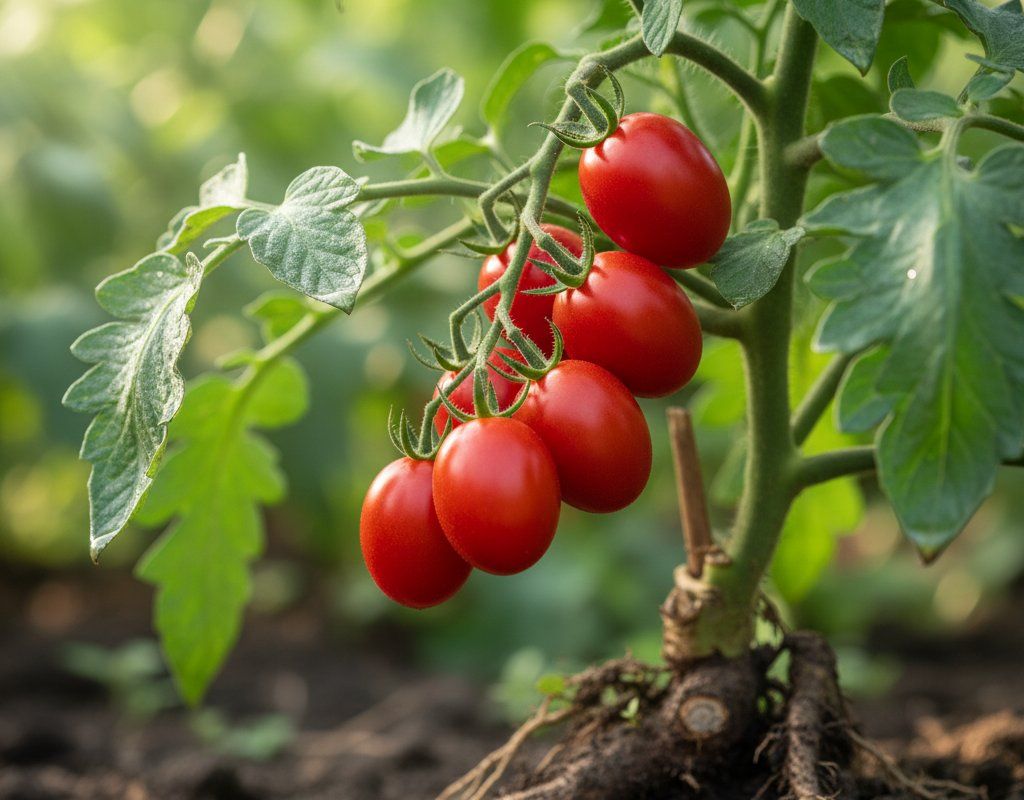
Grape Tomatoes in Zone 9B — Florida
Solanum lycopersicum var. cerasiforme · Your Complete 2026 Planting Guide
Check Planting Details Below
See the full planting guide for timing information.
How to Plant Grape Tomatoes in Zone 9B — Florida
Here are all your options for getting grape tomatoes in the ground, from the easiest method to more advanced approaches.
Start Seeds Indoors
RecommendedMid December through early January
around December 23
Then transplant: Early February through early March
Start seeds 6-8 weeks before transplanting outdoors.
Buy Starts
Works WellEarly February through early March
around February 3
Plant purchased starts after last frost (January 20).
Direct Sow Seeds
ChallengingDirect sowing is not typical for Grape Tomatoes.
Transplant Outdoors
Timing InfoEarly February through early March
around February 3
Wait until nighttime temperatures stay above 50°F.
You have a nice window — no need to rush.
Overview
Grape tomatoes are perfect for Florida gardens because they handle our humid conditions better than larger varieties while still giving you that sweet, concentrated tomato flavor we all crave. These compact, oval beauties ripen reliably in our spring heat and produce heavily before summer shuts down most tomato production. Plus, their thicker skins mean less cracking when our afternoon thunderstorms roll in, and they're ideal for snacking, salads, and roasting year-round.
Florida's extreme humidity and summer heat can challenge tomato growers, but grape tomatoes are more forgiving than their larger cousins. With our 344-day growing season, you'll plant these in our coolest months and harvest through late spring before the real heat hits. The timing works perfectly with our reversed growing calendar.
Starting Seeds Indoors
Start your grape tomato seeds indoors from mid-December through early January, about six weeks before you plan to transplant. This timing gives you strong seedlings ready to go out when February's mild weather arrives. Use seed starting trays with good drainage and keep them in a warm spot - around 70-75°F works well for germination.
Set up your seedlings under grow lights or in a bright south-facing window once they sprout. Bottom watering works best to prevent damping-off disease, which loves our humid conditions. Fill a tray with water and let the seed cells soak it up from below rather than watering from the top.
Remember, Florida's spring comes early and fast, so don't wait too long to start seeds. By the time other regions are thinking about tomatoes, you'll already be hardening off your transplants for our February planting window.
Transplanting Outdoors
Transplant your grape tomato seedlings outdoors from early February through early March, after they've had about a week of gradual hardening off. Start by putting them outside for a few hours in filtered light, gradually increasing their time outdoors until they're spending full days outside. This prevents shock when you finally plant them.
Space your plants 24-36 inches apart to ensure good air circulation - crucial in our humid climate. The wider spacing helps prevent fungal diseases that thrive when plants are crowded together. February weather in Florida can be unpredictable with occasional cold snaps, so keep an eye on forecasts and be ready to cover plants if temperatures dip below 45°F.
Plant on an overcast day or in late afternoon to reduce transplant stress. Our February sun can be stronger than new transplants expect, so giving them a gentle introduction helps them establish better.
Watering Grape Tomatoes in Zone 9B (Florida)
Grape tomatoes need consistent, deep watering throughout their growing season, especially as temperatures climb toward summer. These plants aren't drought tolerant, but their thicker skins make them less prone to cracking than cherry varieties when you get the watering rhythm right. Aim for about 1-2 inches of water per week, including rainfall.
Use the finger test to check soil moisture - stick your finger 2 inches deep into the soil near the plant base. If it feels dry at that depth, it's time to water. In Florida's sandy soils, water drains quickly, so you might need to water every other day during dry spells in March and April as temperatures rise.
Water at the base of plants rather than overhead to reduce fungal disease problems in our high humidity. Our wet summers usually provide plenty of rainfall, but during dry periods or as spring progresses, consistent watering becomes critical. Signs of underwatering include wilting in afternoon heat and blossom end rot, while overwatering shows up as yellowing lower leaves and poor fruit development.
Mulch around your plants with 2-3 inches of organic matter to help retain moisture in our sandy soil and reduce the need for frequent watering. This also helps prevent soil splash that can spread diseases to lower leaves.
Supporting Your Grape Tomatoes
Install sturdy tomato cages or stakes at planting time since grape tomatoes are vigorous indeterminate growers that can reach 6 feet tall in Florida's favorable spring conditions. Standard 5-foot tomato cages work well, or use 6-foot stakes with soft ties to support the main stem as it grows.
Grape tomatoes produce heavy clusters of fruit, so your support system needs to handle the weight. As plants grow, gently weave the main stems through cage openings or tie them loosely to stakes every 8-10 inches. Don't wait until plants start leaning - by then, you risk damaging roots when you try to install support.
Check your supports regularly as Florida's spring growth spurts can surprise you. Plants often grow faster than expected in our mild February and March weather, and securing them early prevents wind damage from afternoon thunderstorms.
Pruning & Maintaining Grape Tomatoes
Keep pruning light with grape tomatoes since they produce prolifically without aggressive sucker removal. Focus on removing suckers that grow in the crotch between the main stem and branches, especially the large ones that compete with fruit production. Small suckers can be pinched off with your fingers when they're young and tender.
Remove lower leaves that touch the ground or show signs of disease to improve air circulation around the base of the plant. This is especially important in Florida's humid conditions where fungal diseases can take hold quickly. As the season progresses into April and May, continue removing any diseased or yellowing leaves.
Since first frost doesn't typically arrive until late December in Florida, you can let these plants continue producing through fall if you want a longer harvest. However, most gardeners prefer to remove spring plants by June to make room for heat-tolerant summer crops, then start fresh tomato plants again in late summer for fall production.
🧪Fertilizing Grape Tomatoes
Feeding Schedule
Organic Fertilizer Options
Harvest Time
Expect your first ripe grape tomatoes from early April through late May, about 60 days after transplanting. Look for fruits that have developed their full color - deep red for most varieties - and have a firm texture with just a slight give when gently squeezed. The oval shape should be fully developed, and unlike cherry tomatoes, grape varieties have thicker skins that feel substantial.
Harvest by gently twisting and pulling individual fruits or cutting the small stem with scissors to avoid damaging the plant. Check plants every 2-3 days once fruiting begins, as grape tomatoes ripen quickly in April's warming weather. Regular harvesting encourages continued production through the season.
These tomatoes will continue producing heavily through May if you keep harvesting regularly. As temperatures climb toward summer in late May and early June, fruit production typically slows, but the plants often give you one last flush before the heat becomes too intense.
If cold weather threatens in late December (rare but possible), harvest all fruits regardless of size and color. Green grape tomatoes ripen well indoors when stored in a paper bag with a ripe banana or apple. The ethylene gas speeds ripening even for the smallest green fruits.
Common Problems in Zone 9B (Florida)
Cracking appears as splits in the tomato skin - either concentric circles around the stem end or radial lines running from stem to bottom. You'll see this most often after heavy rains or when you've let soil dry out then watered heavily. Florida's afternoon thunderstorms can trigger cracking if soil moisture has been inconsistent. Prevent this by maintaining steady soil moisture with mulch and regular watering, and harvest ripe fruits promptly before storms hit.
Blossom end rot shows up as dark, sunken, leathery patches on the bottom of fruits, often affecting your first tomatoes of the season. This isn't a disease but a calcium deficiency caused by inconsistent watering - exactly what happens in our sandy soils when you alternate between dry spells and heavy watering. The most effective fix is consistent watering schedules and heavy mulching to maintain even soil moisture. Remove affected fruits since they won't recover.
Early blight creates brown spots with distinctive concentric rings (like targets) on lower leaves first, then spreads upward. Leaves yellow and drop off, weakening the plant. This fungal disease loves Florida's warm, humid conditions and spreads when soil splashes onto lower leaves during watering or rain. Prevent it by mulching heavily, watering at plant bases rather than overhead, and removing affected leaves immediately. Don't compost diseased plant material.
Florida Specific Challenges: Our combination of high humidity, frequent afternoon storms, and sandy soil creates perfect conditions for both fungal diseases and watering inconsistencies. The key to success with grape tomatoes here is managing moisture - not too little, not too much, and never erratic. Most problems trace back to Florida's challenging water dynamics.
Best Companions for Grape Tomatoes
Plant these nearby for healthier Grape Tomatoes and better harvests.
View Full Companion Planting Chart →



Companion Planting Details
Plant basil near your grape tomatoes for natural pest deterrence and improved flavor - many Florida gardeners swear the basil makes tomatoes taste better while repelling aphids and whiteflies. Carrots work well as ground cover between tomato plants, and their taproots help break up our compacted sandy soil. Parsley attracts beneficial insects that prey on tomato pests, while marigolds release compounds that deter nematodes - a serious concern in Florida's sandy soils.
Avoid planting brassicas like cabbage or broccoli near tomatoes since they're heavy feeders that compete for nutrients, and their growing seasons don't align well with tomato timing anyway. Fennel can inhibit tomato growth, and corn attracts the same hornworms that love tomatoes, plus it creates too much shade for good tomato production. In Florida's intense growing conditions, your tomatoes need all the advantages they can get.
🌸Best Flowers to Plant with Grape Tomatoes
These flowers protect your Grape Tomatoes from pests and attract pollinators for better harvests.
For Pest Control

Get a Reminder When It's Time to Plant
We'll email you when key planting windows open for your zone.