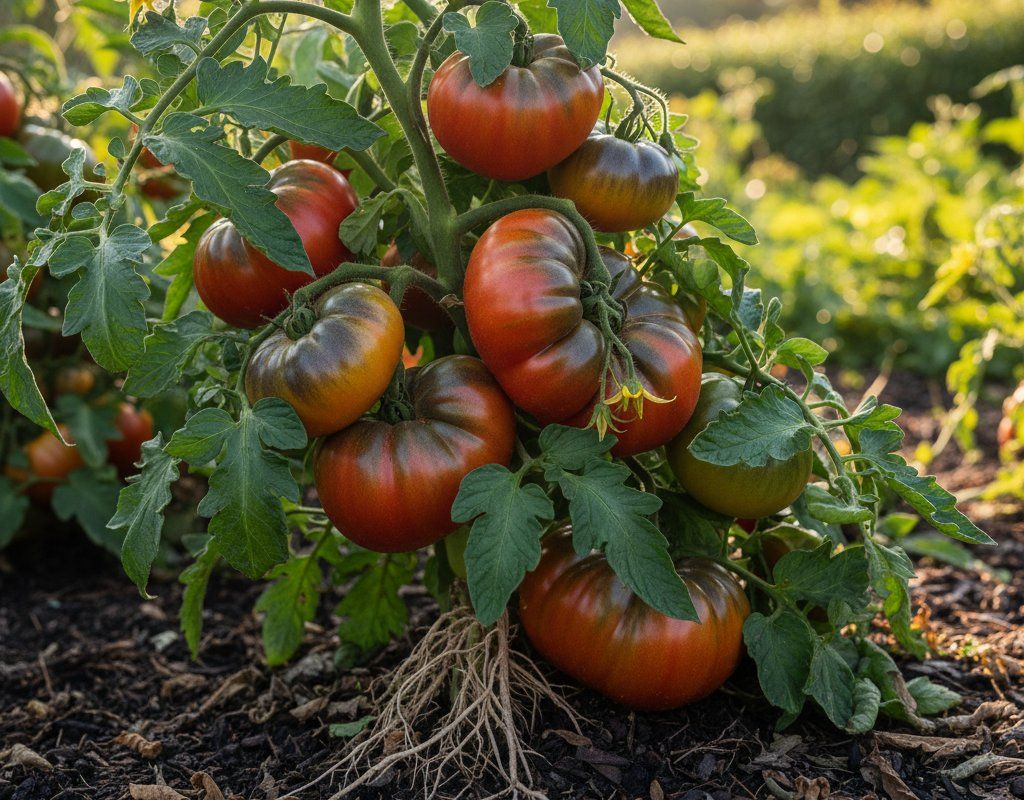
Heirloom Tomatoes in Zone 8A — Northern California
Solanum lycopersicum · Your Complete 2026 Planting Guide
Missed Seed Starting? No Problem!
Wait for starts to become available.
What to Do
Starts will be available at nurseries in 20 days (around March 24).
How to Plant Heirloom Tomatoes in Zone 8A — Northern California
Here are all your options for getting heirloom tomatoes in the ground, from the easiest method to more advanced approaches.
Start Seeds Indoors
RecommendedEarly to late February
around February 10
Then transplant: Late March through late April
Start seeds 6-8 weeks before transplanting outdoors.
Buy Starts
Works WellLate March through late April
around March 24
Plant purchased starts after last frost (March 10).
Direct Sow Seeds
ChallengingDirect sowing is not typical for Heirloom Tomatoes.
Transplant Outdoors
Timing InfoLate March through late April
around March 24
Wait until nighttime temperatures stay above 50°F.
You have a nice window — no need to rush.
Overview
Growing heirloom tomatoes in Northern California's Zone 8A is pure gardening gold. Our Mediterranean climate with its long, warm growing season and mild winters creates perfect conditions for these flavorful treasures to develop their complex taste profiles that store-bought hybrids simply can't match. You'll taste the difference in every 'Brandywine' slice and 'Cherokee Purple' that graces your summer table.
While our dry summers and occasional water restrictions present challenges, your 255-day growing season gives you plenty of flexibility to work around them. Starting seeds indoors during our mild late winter and transplanting after the last frost in early March sets you up for months of harvest success, even with heirlooms' longer maturation time.
Starting Seeds Indoors
Start your heirloom tomato seeds indoors during early to late February, about six weeks before you plan to transplant outdoors. This timing takes advantage of Northern California's early spring character while avoiding any late cold snaps that could damage tender seedlings.
Set up seed trays in a warm spot (70-75°F works well) with good light exposure or grow lights. Plant seeds about ¼ inch deep in quality seed starting mix. Bottom watering works best here — place trays in shallow water and let the soil absorb moisture from below, which prevents damping-off disease that can plague tomato seedlings.
Keep the soil consistently moist but not soggy, and you'll see germination in 7-14 days. Once seedlings develop their first true leaves, you can begin weekly feeding with diluted fertilizer to build strong transplants ready for our Mediterranean growing conditions.
Transplanting Outdoors
Transplant your heirloom tomato seedlings outdoors from late March through late April, after our last frost danger passes in early March and soil temperatures warm consistently. This window gives you flexibility to work around Northern California's variable spring weather patterns.
Harden off seedlings gradually over a full week before transplanting — start with an hour outdoors in filtered light and gradually increase exposure time and direct sun. Our spring temperature swings can shock unprepared plants, so this step is crucial for success.
Space plants 36-48 inches apart to accommodate heirlooms' typically vigorous growth and improve air circulation in our low-humidity environment. Choose your sunniest spot with at least 6-8 hours of direct sun, and prepare for a summer of exceptional harvests starting in mid-June.
Watering Heirloom Tomatoes in Zone 8A (Northern California)
Heirloom tomatoes demand consistent moisture throughout Northern California's dry summer months, making them higher maintenance than drought-tolerant crops. These varieties crack more easily than hybrids when subjected to the wet-dry cycles that can occur with irregular watering schedules.
During our peak growing season, provide about 1-2 inches of water weekly, adjusting based on your microclimate and summer heat intensity. Use the finger test — check soil moisture 2 inches down near the plant base. If it's dry at that depth, it's time to water deeply and thoroughly.
Water at the base rather than overhead to take advantage of our low humidity and reduce disease pressure. Morning watering works best, allowing plants to absorb moisture before afternoon heat peaks around 88°F in typical NorCal summers. Drip irrigation or soaker hoses excel here, especially during water restriction periods.
Mulch heavily around plants to maintain even soil moisture and reduce watering frequency — a 3-4 inch layer of organic mulch helps tremendously in our dry climate. Watch for wilting during heat waves, but also monitor for yellowing lower leaves, which often signals overwatering in our well-draining soils.
Supporting Your Heirloom Tomatoes
Install sturdy support systems at planting time since most heirloom varieties grow as vigorous indeterminates that can easily reach 6-8 feet in our long growing season. Heavy-duty tomato cages or strong stakes with ties work best for supporting the irregular, often hefty fruit these varieties produce.
Choose 6-8 foot tall cages or stakes, as heirlooms will quickly outgrow shorter supports in Northern California's extended warm weather. The irregular shapes and sizes typical of heirloom fruit put extra stress on branches, making strong support even more critical than with uniform hybrid tomatoes.
Train main stems upward weekly, securing them loosely to allow for growth. Remove suckers that develop in leaf crotches to direct energy into main stems and fruit production, which also helps manage the vigorous growth these varieties exhibit in our favorable climate.
Pruning & Maintaining Heirloom Tomatoes
Focus your pruning efforts on removing suckers — the shoots that emerge between main stems and leaf branches — to maintain manageable plant structure and improve air circulation. This moderate pruning approach is especially important for heirlooms since they're more susceptible to diseases than modern hybrid varieties.
Remove lower leaves that touch the ground or show signs of disease throughout the growing season. In our low-humidity environment, good air circulation helps prevent fungal issues that can plague dense, unpruned tomato plants during our warm summers.
As first frost approaches in mid-November, stop pruning suckers and focus on ripening existing fruit. You can top plants in late October to redirect energy into maturing green tomatoes rather than new growth that won't have time to develop before winter arrives.
🧪Fertilizing Heirloom Tomatoes
Feeding Schedule
Organic Fertilizer Options
Harvest Time
Expect your first heirloom tomatoes from mid-June through late July, depending on variety and your specific microclimate within Northern California's diverse growing regions. The 80-day maturity period from transplant means patience pays off with superior flavor compared to quick-ripening hybrids.
Harvest when tomatoes show full color development for their variety — remembering that some heirlooms maintain green shoulders or unusual coloring patterns when fully ripe. Look for slight softness when gently squeezed and easy detachment from the vine with a gentle twist rather than pulling hard.
Pick regularly to encourage continued production throughout our long growing season. Harvest in early morning when temperatures are cooler and fruit contains maximum moisture. Don't worry about perfect appearance — irregular shapes and unusual coloring are hallmarks of heirloom character.
As first frost approaches in mid-November, harvest all remaining fruit regardless of ripeness. Green tomatoes ripen well indoors when placed in a warm spot or paper bag with a ripe apple. This extends your harvest well into winter, maximizing your investment in these premium varieties.
Common Problems in Zone 8A (Northern California)
Fruit Cracking Concentric or radial splits in tomato skin that expose flesh to rot and insects. You'll see either circular cracks around the stem end or lines radiating outward from the top. This problem intensifies during Northern California's transition from dry summer to occasional fall rains.
Cracking results from inconsistent watering — when dry soil suddenly receives heavy irrigation or unexpected rainfall, fruit absorbs water faster than skin can expand. Our Mediterranean climate's wet-dry cycles make this especially common. Maintain consistent soil moisture through regular deep watering and 3-4 inch mulch layers to prevent rapid moisture fluctuations.
Disease Susceptibility Yellowing leaves, brown spots, wilting, or fuzzy growth on foliage and fruit throughout the growing season. Heirlooms lack the disease resistance genes bred into modern hybrids, making them more vulnerable to fungal and bacterial problems in any climate.
Poor air circulation in our low-humidity environment can still create pockets of moisture that harbor disease organisms. Space plants wider than recommended minimums, prune lower foliage, and remove affected leaves immediately. Consider preventative organic fungicide applications during humid morning conditions or if fog persists in coastal areas.
Lower Yields Fewer tomatoes per plant compared to hybrid varieties, especially noticeable during peak harvest season. While flavor compensates, the reduced productivity can disappoint gardeners expecting abundant harvests typical of determinate hybrids.
This is simply the trade-off for superior taste and genetic diversity. Heirlooms direct more energy into flavor development rather than maximum fruit production. Focus on soil fertility, consistent watering, and proper plant support to maximize what these varieties can deliver rather than expecting hybrid-level yields.
Irregular Shapes Bumpy, ridged, or unusually formed fruit that looks nothing like perfect round tomatoes. Some varieties produce tomatoes with deep ridges, flat tops, or bizarre protrusions that can alarm new growers expecting uniform appearance.
These unusual shapes are genetic characteristics of heirloom varieties, not growing problems. Cool temperatures during fruit set can exaggerate irregular development, but this rarely affects eating quality. Embrace the character — oddly shaped heirlooms often have the most complex flavors and make for interesting conversation pieces at farmers markets.
Northern California Specific Challenges: Our moderate-to-hot summers with low humidity create ideal conditions for most tomato diseases, while water restrictions can make maintaining consistent moisture challenging. The key is balancing water conservation with these moisture-loving plants' needs through efficient irrigation and heavy mulching strategies.
Best Companions for Heirloom Tomatoes
Plant these nearby for healthier Heirloom Tomatoes and better harvests.
View Full Companion Planting Chart →



Companion Planting Details
Plant basil alongside your heirloom tomatoes for more than just convenient harvest combinations — basil actually improves tomato flavor while deterring aphids and hornworms common in Northern California gardens. Carrots make excellent ground-level companions, breaking up clay soils without competing for nutrients, while their delicate foliage doesn't shade lower tomato leaves.
Marigolds planted around tomato beds help repel nematodes and whiteflies, particularly valuable in our warm climate where these pests thrive. Avoid planting brassicas like cabbage or broccoli near tomatoes, as they compete heavily for nutrients and can attract different pest complexes. Skip fennel entirely — it releases compounds that can stunt tomato growth and reduce yields you're already sacrificing for heirloom flavor.
🌸Best Flowers to Plant with Heirloom Tomatoes
These flowers protect your Heirloom Tomatoes from pests and attract pollinators for better harvests.
For Pest Control

Get a Reminder When It's Time to Plant
We'll email you when key planting windows open for your zone.