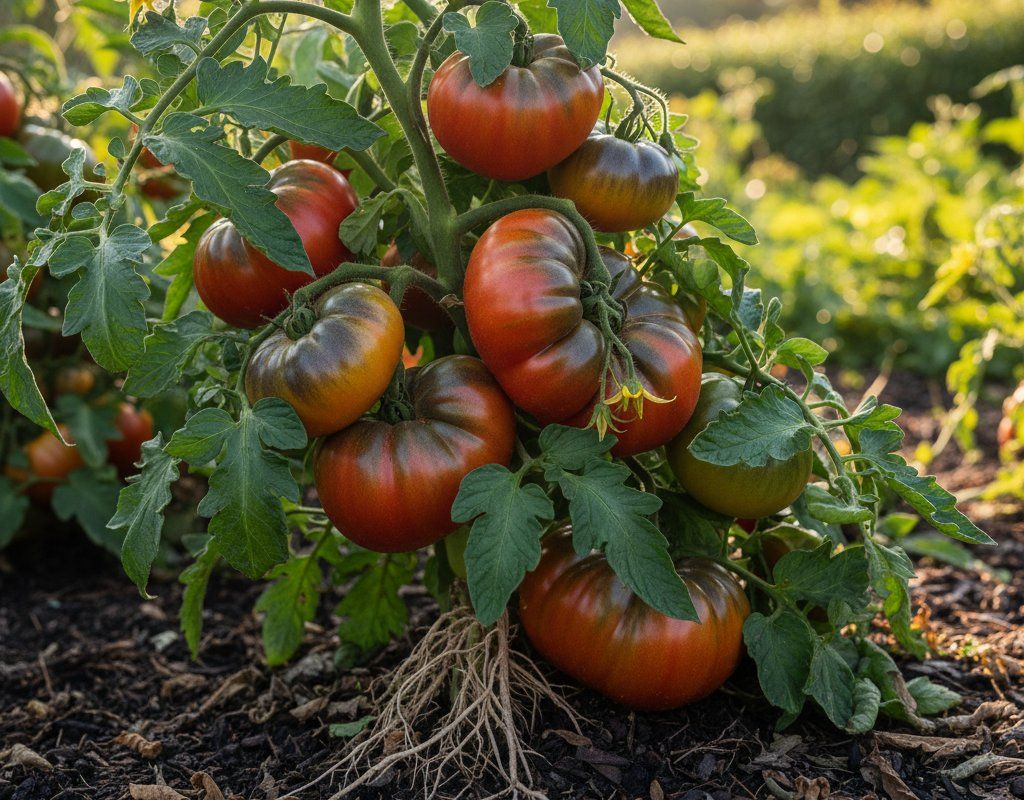
Heirloom Tomatoes in Zone 9A — Desert Southwest
Solanum lycopersicum · Your Complete 2026 Planting Guide
Time to Buy Starts!
Seed starting window passed, but starts are available now.
Buy Starts Now
Head to your local nursery, Home Depot, or farmers market for transplants.
- Look for stocky plants with dark green leaves
- Avoid leggy seedlings or plants already flowering
- Check that roots aren't circling the pot (rootbound)
How to Plant Heirloom Tomatoes in Zone 9A — Desert Southwest
Here are all your options for getting heirloom tomatoes in the ground, from the easiest method to more advanced approaches.
Start Seeds Indoors
RecommendedMid January through early February
around January 18
Then transplant: Early to late March
Start seeds 6-8 weeks before transplanting outdoors.
Buy Starts
Works WellEarly to late March
around March 1
Plant purchased starts after last frost (February 15).
Direct Sow Seeds
ChallengingDirect sowing is not typical for Heirloom Tomatoes.
Transplant Outdoors
Timing InfoEarly to late March
around March 1
Wait until nighttime temperatures stay above 50°F.
You have a nice window — no need to rush.
Overview
Heirloom tomatoes bring unmatched flavor diversity to your Desert Southwest garden, with varieties that offer complex tastes you'll never find in store-bought hybrids. Our 298-day growing season gives you a generous window to grow multiple varieties, from Cherokee Purples to Brandywines, each with its own unique character and culinary purpose. The intense desert sun actually concentrates sugars beautifully when you time plantings right.
While our extreme summer heat and arid conditions present challenges for these tender plants, starting early in the season sets you up for success. You'll harvest through late spring before the brutal summer heat arrives, making heirloom tomatoes perfectly suited for our spring growing window when temperatures stay manageable.
Starting Seeds Indoors
Start your heirloom tomato seeds indoors from mid-January through early February, giving them about 6 weeks to develop before transplanting outdoors. This timing takes advantage of our very early spring character, letting you get plants established while nights are still cool enough for strong root development.
Set up seed trays in a warm spot (70-75°F works well) with good light - a south-facing window or grow lights placed 2-3 inches above the soil surface. Use a quality seed-starting mix and bottom water to keep soil consistently moist without waterlogging the tiny seeds. Desert air pulls moisture quickly from soil surfaces, so check daily and maintain that gentle dampness.
Your seedlings will be ready for transplanting when they've developed their second set of true leaves and nighttime temperatures consistently stay above 50°F. This usually happens by early March in our zone, giving you a perfect window before our heat intensifies.
Transplanting Outdoors
Transplant your heirloom tomato seedlings outdoors from early to late March, when nighttime temperatures consistently stay above 50°F and daytime highs remain in the comfortable 70-80°F range. This timing catches our sweet spot before extreme heat arrives but after our last frost risk passes in mid-February.
Harden off seedlings gradually over one week by placing them outside for increasing periods each day, starting with 2-3 hours of morning sun and building to full days. Desert winds can shock tender plants, so choose calm days for this process and bring them in if winds pick up.
Space plants 36-48 inches apart - heirlooms need generous spacing for good air circulation in our low humidity environment. The wider spacing also makes summer shade cloth installation easier and reduces competition for water during our driest months.
Watering Heirloom Tomatoes in Zone 9A (Desert Southwest)
Heirloom tomatoes demand consistent moisture throughout their growing season, especially critical in our arid Desert Southwest climate. Unlike other regions that get regular rainfall, you'll provide nearly all their water needs - plan on 1-2 inches per week through deep, thorough soakings rather than frequent light watering.
Water at the base of plants rather than overhead to conserve precious water and prevent disease issues in our low humidity environment. Use the finger test - stick your finger 2 inches into the soil near the plant base. If it feels dry, it's time to water deeply until you see water pooling slightly on the surface.
Heirloom varieties crack more easily than hybrids when they experience the wet-dry cycles common in desert gardening. Maintain steady soil moisture with a 3-4 inch layer of mulch around plants - wood chips or shredded bark work well to retain moisture and moderate soil temperature swings. During our intense May and June heat, you may need to water every other day.
Watch for signs of water stress: wilting during the hottest part of the day is normal, but leaves should perk up by evening. Yellowing lower leaves often indicate inconsistent watering, while fruit cracking signals you've let them get too dry between waterings.
Supporting Your Heirloom Tomatoes
Install sturdy cages or stakes at planting time since most heirloom varieties are indeterminate and will grow 6-8 feet tall in our long growing season. Heavy-duty tomato cages work better than flimsy store-bought versions - look for cages made from concrete reinforcing wire that can handle both plant weight and our occasional strong winds.
If you prefer staking, use 8-foot stakes driven 18 inches into the ground and tie plants loosely with soft material like old t-shirt strips. The desert sun can heat metal stakes enough to burn plant stems, so position ties away from direct stake contact.
Train main stems upward and secure them every 12-18 inches as plants grow. Heirloom fruits often grow large and irregularly shaped, creating more weight stress on branches than uniform hybrid varieties, so support becomes even more critical for a successful harvest.
Pruning & Maintaining Heirloom Tomatoes
Remove suckers - the shoots that emerge from the junction between main stem and branches - throughout the growing season to maintain plant energy in fruit production rather than excessive foliage. In our arid climate, some leaf cover helps protect fruits from sunscald, so don't over-prune.
Pinch or cut lower leaves that touch the ground to prevent soil-borne diseases, and remove any yellowing or diseased foliage promptly. Heirloom varieties show more disease susceptibility than hybrids, making good air circulation through moderate pruning essential in our low humidity environment.
As first frost approaches in early December, you can top plants by removing growing tips to direct energy into ripening existing fruits rather than producing new ones. This end-of-season strategy helps you harvest more mature tomatoes before cold weather arrives.
🧪Fertilizing Heirloom Tomatoes
Feeding Schedule
Organic Fertilizer Options
Harvest Time
Expect your first ripe heirloom tomatoes from mid-May through early July, about 80 days after transplanting in our Desert Southwest climate. Unlike hybrids bred for uniformity, heirlooms ripen when they're ready - some varieties stay slightly green on shoulders even when fully ripe, while others develop deep, rich colors.
Harvest when fruits give slightly to gentle pressure and detach easily from the vine with a gentle twist and pull. The stem should separate cleanly at the joint rather than tearing. Many heirloom varieties develop their best flavor when allowed to fully ripen on the plant, so resist picking them too early.
Continue harvesting regularly to encourage more fruit production through your spring growing window. Check plants every 2-3 days during peak season since ripe fruits can quickly become overripe in our intense heat and dry air.
As temperatures climb toward summer extremes, plants will slow production and eventually stop setting new fruit. When first frost threatens in early December, harvest remaining green tomatoes to ripen indoors on a sunny windowsill - they'll continue developing flavor even after picking.
Common Problems in Zone 9A (Desert Southwest)
Cracking appears as splits in the tomato skin, either in concentric circles around the stem end or radiating lines from the stem. You'll see exposed flesh that can quickly rot in our dry air. This happens when plants experience wet-dry cycles - heavy watering or monsoon rains after dry spells cause fruit to absorb water faster than skin can expand. Maintain consistent soil moisture with regular watering and mulch, and harvest promptly when fruits reach maturity.
Disease susceptibility shows up as various leaf spots, wilting, or stem problems throughout the growing season. Heirloom varieties lack the disease resistance bred into modern hybrids, making them more vulnerable to bacterial and fungal issues. Combat this with wider plant spacing for better air circulation, prompt removal of affected foliage, and preventative organic fungicide applications during humid monsoon periods.
Lower yields mean fewer tomatoes per plant compared to hybrid varieties, though what you harvest often makes up for quantity with superior flavor. This happens because heirlooms put energy into flavor development rather than maximum fruit production. Accept smaller harvests as the trade-off for exceptional taste, or grow additional plants to increase your total yield.
Irregular shapes create tomatoes with unusual bumps, ridges, or uneven development - this is actually normal for many heirloom varieties and part of their character. Poor pollination during cool weather can worsen the effect. Embrace these unique shapes since flavor remains excellent regardless of appearance, and save the most interesting-looking fruits for seed saving.
Desert Southwest gardeners face additional challenges with sunscald on exposed fruits during extreme heat periods, and water stress during our long dry spells between monsoon storms. The intense UV radiation can damage both foliage and fruits, while our alkaline soils may limit nutrient availability for these heavy feeders.
Best Companions for Heirloom Tomatoes
Plant these nearby for healthier Heirloom Tomatoes and better harvests.
View Full Companion Planting Chart →



Companion Planting Details
Plant basil near your heirloom tomatoes for natural pest deterrence and improved flavor - many desert gardeners swear this combination enhances tomato taste while basil's strong scent confuses harmful insects. Carrots make excellent companions since their deep taproots break through caliche layers and don't compete for surface nutrients, while marigolds provide beneficial insect habitat and add color to your tomato patch.
Avoid planting brassicas like cabbage or broccoli near tomatoes since they compete for similar nutrients and water - precious resources in our desert environment. Fennel produces compounds that can stunt tomato growth, while corn attracts hornworms that will quickly move to your tomato plants once corn harvest ends.
🌸Best Flowers to Plant with Heirloom Tomatoes
These flowers protect your Heirloom Tomatoes from pests and attract pollinators for better harvests.
For Pest Control

Get a Reminder When It's Time to Plant
We'll email you when key planting windows open for your zone.