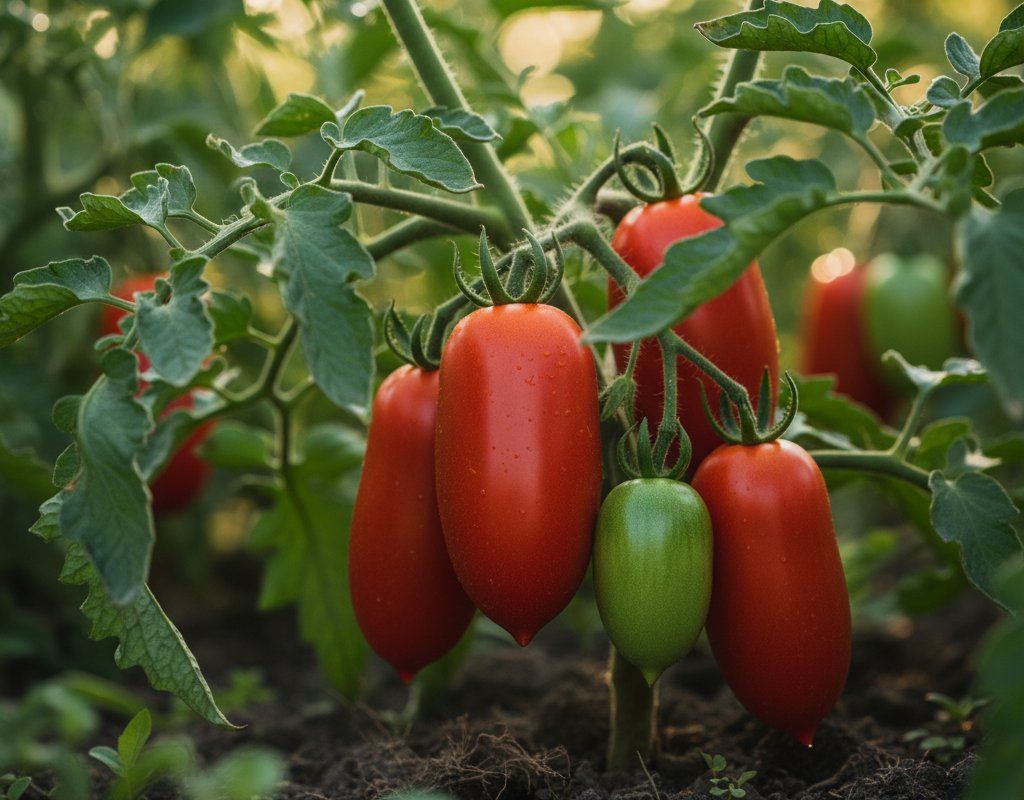
San Marzano Tomatoes in Zone 8A — Northern California
Solanum lycopersicum · Your Complete 2026 Planting Guide
Missed Seed Starting? No Problem!
Wait for starts to become available.
What to Do
Starts will be available at nurseries in 20 days (around March 24).
How to Plant San Marzano Tomatoes in Zone 8A — Northern California
Here are all your options for getting san marzano tomatoes in the ground, from the easiest method to more advanced approaches.
Start Seeds Indoors
RecommendedEarly to late February
around February 10
Then transplant: Late March through late April
Start seeds 6-8 weeks before transplanting outdoors.
Buy Starts
Works WellLate March through late April
around March 24
Plant purchased starts after last frost (March 10).
Direct Sow Seeds
ChallengingDirect sowing is not typical for San Marzano Tomatoes.
Transplant Outdoors
Timing InfoLate March through late April
around March 24
Wait until nighttime temperatures stay above 50°F.
You have a nice window — no need to rush.
Overview
San Marzano tomatoes are the gold standard for paste tomatoes, and Northern California's Mediterranean climate makes us perfectly suited to grow these prized Italian heirlooms. Your long, warm growing season lets these indeterminate vines reach their full potential, producing those distinctive elongated fruits with sweet, low-acid flesh that's perfect for sauce, canning, or fresh eating. With our dry summers and minimal disease pressure compared to humid regions, you'll get cleaner fruit and better yields than gardeners in many other zones.
Our early springs and late first frost give you about 255 days to work with, which is plenty of time for San Marzanos to mature from transplant to final harvest. Yes, they need consistent water through our dry summer months, but with proper planning and mulching, you can grow restaurant-quality paste tomatoes right in your backyard. The key is getting your timing right with our typical weather patterns.
Starting Seeds Indoors
Start your San Marzano seeds indoors during early to late February, about 6 weeks before your last frost window. In Northern California, this timing works perfectly because our springs tend to arrive early and stay relatively mild, giving you flexibility with transplanting dates. Set up your seed trays in a warm spot (65-70°F) with good light—a south-facing window or grow lights work well.
Plant seeds about 1/4 inch deep in quality seed-starting mix, and keep the soil consistently moist using bottom watering methods. This prevents damping-off disease and encourages strong root development. Your seeds should germinate within 7-10 days in warm conditions.
Once your seedlings develop their first true leaves, transplant them into individual 4-inch pots. Keep them in bright light and gradually reduce watering frequency while maintaining consistent moisture. By mid-March, your plants should be sturdy enough to begin the hardening-off process.
Transplanting Outdoors
Plan to transplant your San Marzano seedlings outdoors from late March through late April, after our last frost risk passes. Start hardening them off about one week before transplanting by gradually exposing them to outdoor conditions—a few hours the first day, increasing daily until they're outside full-time. This process is crucial in Northern California because our spring weather can be unpredictable with occasional cool snaps.
Choose a sunny location and space plants 24-36 inches apart to ensure good air circulation. San Marzanos are vigorous indeterminate varieties that need room to grow and proper airflow to prevent disease issues. Plant them slightly deeper than they were in their pots, burying part of the stem to encourage strong root development.
Watch the weather forecast during transplant time, as late-season cold fronts can still surprise us. Have row covers or Wall O' Water protection ready if temperatures threaten to drop below 50°F at night. Once established, these plants will thrive in our warming spring conditions.
Watering San Marzano Tomatoes in Zone 8A (Northern California)
San Marzanos have high water needs and aren't drought tolerant, making consistent irrigation essential in our dry-summer climate. During Northern California's hot months when temperatures reach into the upper 80s with virtually no rainfall, these plants need about 1.5-2 inches of water per week. Check soil moisture by inserting your finger 2 inches deep—if it's dry, it's time to water.
Water deeply at the base of plants rather than overhead, especially important in our low-humidity environment where wet foliage can still lead to disease issues during warm mornings. Early morning watering works best, giving plants time to absorb moisture before afternoon heat peaks. Install drip irrigation or soaker hoses to maintain consistent soil moisture without waste—crucial during water restriction periods that often coincide with fire season.
Watch for signs of inconsistent watering, which leads to blossom end rot in paste tomatoes. Underwatered plants show wilting during afternoon heat, while overwatered plants develop yellowing lower leaves. The key is maintaining steady moisture levels rather than letting the soil cycle between wet and dry periods.
Apply 3-4 inches of organic mulch around plants to conserve moisture and moderate soil temperature swings. In our hot, dry climate, good mulching can reduce your watering needs by 30-40% while preventing the moisture stress that causes quality issues in San Marzano fruits.
Supporting Your San Marzano Tomatoes
San Marzanos are vigorous indeterminate tomatoes that can easily reach 6-8 feet tall in our long growing season, so they need substantial support from day one. Install heavy-duty tomato cages (at least 6 feet tall) or sturdy stakes at planting time to avoid disturbing established roots later. The weight of mature fruit clusters will test whatever support system you choose.
For staking, use 8-foot posts driven 18 inches into the ground, then tie the main stem loosely with soft materials as it grows. Check and adjust ties every few weeks since these plants grow rapidly during our warm spring and early summer months. Many Northern California gardeners prefer the Florida weave system for multiple plants—it's efficient and handles our sometimes strong afternoon winds.
Train the main stem upward and secure major branches that develop heavy fruit clusters. San Marzanos produce elongated fruits in clusters, and the combined weight can snap branches if they're not properly supported. Your support investment pays off with easier harvesting and better fruit quality throughout the long season.
Pruning & Maintaining San Marzano Tomatoes
Remove suckers—the shoots that emerge between the main stem and branches—when they're small and easy to pinch off. Focus your sucker removal on the lower portion of the plant and any vigorous growth that crowds the interior. San Marzanos benefit from moderate pruning that improves air circulation while maintaining enough foliage to protect fruits from sunscald during our intense summer heat.
Strip off the lower leaves that touch the ground or grow within 12 inches of soil level to prevent soil-borne diseases from splashing onto foliage. Continue this maintenance throughout the growing season as the plant develops. Remove any yellowing or diseased leaves promptly to maintain plant health.
As your first frost approaches in mid-November, top the plants by pinching out the growing tips about 4-6 weeks beforehand. This directs energy into ripening existing fruits rather than producing new flowers that won't have time to mature. Remove late-season suckers more aggressively during this final phase to concentrate the plant's remaining energy.
🧪Fertilizing San Marzano Tomatoes
Feeding Schedule
Organic Fertilizer Options
Harvest Time
Your first San Marzano tomatoes will be ready from mid-June through late July, depending on when you transplanted and your specific microclimate. These paste tomatoes are ready when they turn deep red and feel firm but give slightly to gentle pressure. The elongated fruits should easily detach from the stem with a slight twist—if you have to pull hard, they need more time.
Harvest regularly to encourage continued production throughout our long growing season. San Marzanos are prolific producers, and keeping ripe fruits picked signals the plant to keep flowering and setting new fruit. During peak season in July and August, you may need to harvest every other day.
Unlike slicing tomatoes, San Marzanos can ripen perfectly off the vine, which is valuable as your first frost approaches in mid-November. When nighttime temperatures consistently drop below 55°F, harvest all fruits showing any color and let them ripen indoors on your counter or in paper bags.
The thick, meaty flesh and concentrated flavor of San Marzanos makes them ideal for sauce-making, so many Northern California gardeners do one big harvest push in late October before frost threatens. Green fruits will continue ripening indoors for weeks, extending your harvest well into December.
Common Problems in Zone 8A (Northern California)
Blossom End Rot This appears as dark, sunken patches on the bottom of fruits, often affecting your first tomatoes of the season. You'll see leathery brown or black areas that make the fruits unusable. In Northern California's climate, this is almost always caused by inconsistent watering during our transition from spring rains to dry summer heat. The plants can't uptake calcium properly when soil moisture fluctuates between too wet and too dry. Maintain consistent soil moisture with regular deep watering and heavy mulching. Remove affected fruits promptly so the plant focuses energy on new, healthy ones.
Early Blight Look for brown spots with distinctive concentric rings (like a bullseye) starting on lower leaves and working upward. Leaves eventually yellow and drop, weakening the plant. This fungal disease thrives when soil splashes onto foliage during watering or our occasional summer thunderstorms. Water only at soil level, never overhead, and mulch heavily to prevent soil splash. Remove affected leaves immediately and don't compost them. Improve air circulation through proper spacing and pruning—our low humidity helps, but stagnant air around plants can still create problems.
Fusarium Wilt This shows up as wilting on one side of the plant first, followed by yellowing leaves on the same side. If you cut the stem, you'll see brown streaks inside. Once a plant contracts this soil-borne fungal disease, there's no cure—remove and destroy it completely. Prevention is key: choose resistant varieties marked with 'F' on seed packets, rotate your tomato crops every 4 years, and maintain soil pH above 6.5. Our warm summer soil temperatures can favor this disease, so consider soil solarization during hot July-August periods.
Northern California Specific Challenges Our moderate-to-hot summers with low humidity create generally good conditions for San Marzanos, but water management becomes critical during drought years and fire season restrictions. The combination of intense sun and dry air can cause rapid soil moisture loss, making consistent irrigation your biggest challenge. Microclimates throughout our region mean coastal areas may have different timing and watering needs compared to inland valleys.
Best Companions for San Marzano Tomatoes
Plant these nearby for healthier San Marzano Tomatoes and better harvests.
View Full Companion Planting Chart →



Companion Planting Details
Plant basil alongside your San Marzanos—it naturally repels aphids and thrips while enhancing tomato flavor, plus you'll have the perfect herb combination for Italian cooking. Carrots work well as ground cover between tomato plants since their different root depths don't compete, and parsley attracts beneficial insects that help control tomato hornworms and other pests. Marigolds planted around the bed edges deter nematodes in the soil and add bright color to your productive garden space.
Avoid planting brassicas like cabbage, broccoli, or kale near tomatoes since they're heavy feeders that compete for nutrients and can stunt tomato growth. Keep fennel away from all your vegetables—it releases compounds that inhibit growth in most other plants. Corn should be separated from tomatoes because both crops attract similar pests, and the tall corn can shade your tomatoes in our lower sun angles during spring and fall.
🌸Best Flowers to Plant with San Marzano Tomatoes
These flowers protect your San Marzano Tomatoes from pests and attract pollinators for better harvests.
For Pest Control

Get a Reminder When It's Time to Plant
We'll email you when key planting windows open for your zone.