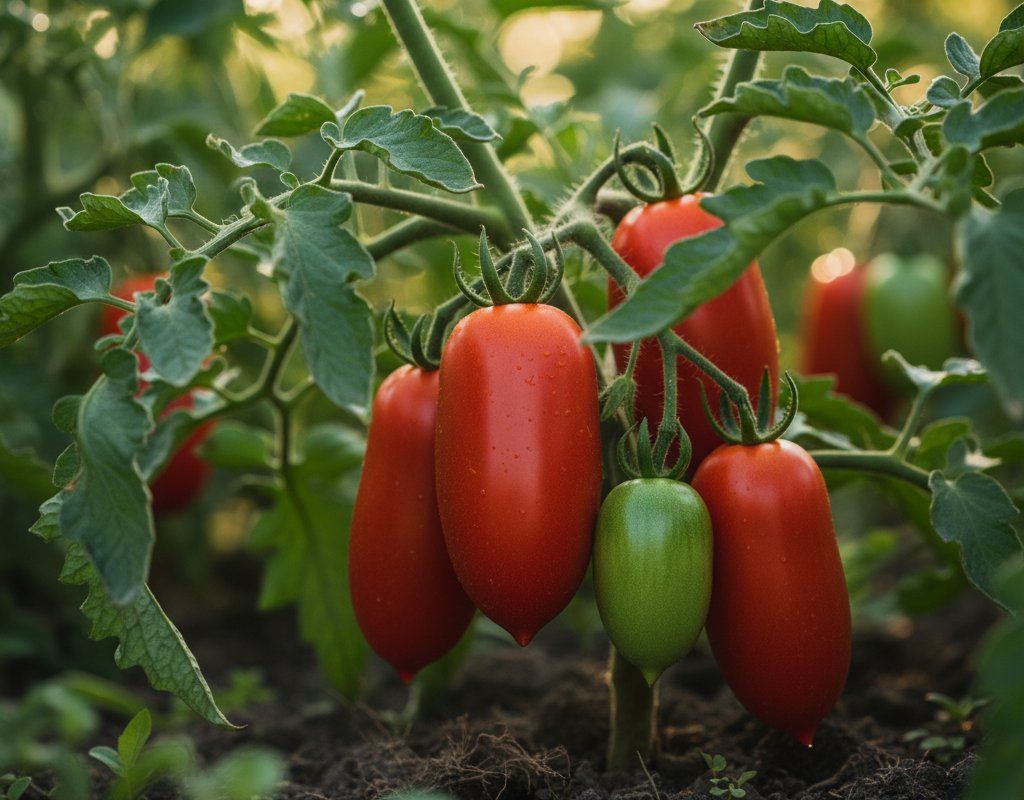
San Marzano Tomatoes in Zone 9A — Desert Southwest
Solanum lycopersicum · Your Complete 2026 Planting Guide
Time to Buy Starts!
Seed starting window passed, but starts are available now.
Buy Starts Now
Head to your local nursery, Home Depot, or farmers market for transplants.
- Look for stocky plants with dark green leaves
- Avoid leggy seedlings or plants already flowering
- Check that roots aren't circling the pot (rootbound)
How to Plant San Marzano Tomatoes in Zone 9A — Desert Southwest
Here are all your options for getting san marzano tomatoes in the ground, from the easiest method to more advanced approaches.
Start Seeds Indoors
RecommendedMid January through early February
around January 18
Then transplant: Early to late March
Start seeds 6-8 weeks before transplanting outdoors.
Buy Starts
Works WellEarly to late March
around March 1
Plant purchased starts after last frost (February 15).
Direct Sow Seeds
ChallengingDirect sowing is not typical for San Marzano Tomatoes.
Transplant Outdoors
Timing InfoEarly to late March
around March 1
Wait until nighttime temperatures stay above 50°F.
You have a nice window — no need to rush.
Overview
San Marzano tomatoes bring authentic Italian flavor to your Desert Southwest garden, producing those prized elongated paste tomatoes perfect for sauce-making and canning. These indeterminate plants thrive in our intense spring sun and can handle the building heat better than many other paste varieties, giving you a solid harvest before our extreme summer temperatures arrive.
While our arid climate and alkaline soil present challenges for tomato growing, San Marzanos work well with our 298-day growing season and two distinct planting windows. Start them early indoors during our mild winter months, transplant in spring, and you'll harvest premium tomatoes through late spring before the real heat hits.
Starting Seeds Indoors
Start your San Marzano seeds indoors from mid-January through early February, giving yourself about 6 weeks before transplanting time. Our very early spring character means you can get these started while it's still cool outside, taking advantage of those mild winter days to get a jump on the season.
Set up seed trays with quality seed-starting mix and keep them warm - around 70-75°F works well. Bottom watering prevents damping off and keeps moisture levels consistent, which these seeds appreciate. Once they germinate, provide strong light either from a south-facing window or grow lights for 12-14 hours daily.
Your seedlings will be ready to harden off by early March, perfect timing for our Desert Southwest spring conditions when nighttime temperatures start staying above the mid-40s consistently.
Transplanting Outdoors
Plan to transplant your San Marzano seedlings from early to late March, after your soil has warmed and nighttime temperatures stay reliably above 50°F. This timing takes advantage of our mild spring weather before summer's extreme heat arrives.
Harden off seedlings gradually over a week, starting with just an hour or two of morning sun and building up to full outdoor exposure. Space plants 24-36 inches apart to allow good air circulation - crucial in our arid climate where proper airflow helps prevent disease issues.
Watch for those occasional late-season cold snaps that can surprise us in March. Keep row covers handy for protection, though true frost danger is usually past by mid-February in our zone. Plant on a calm day when possible, as our spring winds can stress newly transplanted seedlings.
Watering San Marzano Tomatoes in Zone 9A (Desert Southwest)
San Marzanos need consistent, deep watering throughout the growing season - particularly critical in our arid Desert Southwest climate where inconsistent moisture leads to blossom end rot. Start with about 1-2 inches per week through spring, increasing to 2-3 inches as temperatures climb toward summer.
Water deeply at the base of plants rather than overhead, since our low humidity means leaves dry quickly but soil moisture is what matters most. Use the finger test - stick your finger 2 inches into the soil, and if it's dry, it's time to water. During our building heat from late April through May, you may need to water every other day or even daily.
Apply a thick layer of mulch around plants to conserve precious moisture and keep soil temperatures more stable. Organic mulches work well here, breaking down to improve our typically alkaline desert soil over time.
Signs of underwatering include wilting during hot afternoons and blossom end rot on developing fruit. Overwatering shows up as yellowing leaves and slow growth - less common in our arid climate but possible with heavy clay soils or poor drainage.
Supporting Your San Marzano Tomatoes
San Marzano tomatoes are vigorous indeterminate varieties that easily reach 6-8 feet tall, producing heavy clusters of elongated fruit that need strong support. Install sturdy tomato cages at planting time, or use the stake-and-tie method with 6-8 foot tall stakes driven deep into the ground.
Heavy-duty cages work best since these plants get substantial, especially with multiple fruit clusters developing simultaneously. The weight of a full San Marzano plant loaded with fruit will topple flimsy supports, particularly when our spring winds kick up.
Train the main stem up through the center of the cage or tie it loosely to stakes every 12-18 inches as it grows. Start this training early - waiting until the plant is heavy with fruit makes it harder to manage and more likely to break.
Pruning & Maintaining San Marzano Tomatoes
Remove suckers (shoots growing between the main stem and branches) regularly to keep San Marzano plants focused on fruit production rather than excessive foliage. Prune these when they're small - just pinch them off with your fingers.
Strip off lower leaves once plants are established and fruit begins forming. This improves airflow around the base of the plant, important in our climate where good circulation helps prevent disease issues. Remove any yellowing or damaged leaves throughout the season.
As first frost approaches in early December, top the plants by pinching off the growing tips. This encourages the plant to put energy into ripening existing fruit rather than setting new flowers that won't have time to mature before cold weather arrives.
🧪Fertilizing San Marzano Tomatoes
Feeding Schedule
Organic Fertilizer Options
Harvest Time
Expect your first San Marzano tomatoes from mid-May through early July, about 80 days from transplant. These elongated paste tomatoes are ready when they're deep red, firm to the touch, and easily detach from the stem with a gentle twist.
Pick regularly to encourage continued production - San Marzanos will keep producing new fruit clusters as long as you harvest mature ones. Unlike round slicing tomatoes, these maintain their distinctive elongated shape and develop their full flavor when allowed to ripen on the vine.
If first frost threatens in early December and you still have green fruit, harvest the largest ones and ripen them indoors. San Marzanos ripen well off the vine when stored at room temperature. The smaller green tomatoes can be used for green tomato recipes or pickled.
Check plants every few days during peak season - in our dry climate, ripe tomatoes can quickly become overripe and split. Morning harvest works best when it's cooler and fruit is plump with overnight moisture.
Common Problems in Zone 9A (Desert Southwest)
Blossom End Rot You'll see dark, sunken spots on the bottom (blossom end) of developing fruit that look leathery and brown to black. This often affects the first fruit clusters of the season and is particularly common with paste tomatoes like San Marzanos.
This isn't a disease but a calcium deficiency caused by inconsistent watering - our arid climate makes this especially challenging since soil moisture swings between drought and flood cycles. Consistent watering is the most effective fix, along with thick mulching to maintain even soil moisture. Avoid over-fertilizing with nitrogen, which interferes with calcium uptake.
Early Blight Brown spots with distinctive concentric rings (bullseye pattern) appear on lower leaves first, then spread upward. Leaves yellow and drop, weakening the plant over time.
This fungal disease spreads through soil splash onto lower leaves, and while our arid climate generally discourages fungal problems, it can still occur during monsoon season or with overhead watering. Remove affected leaves immediately (don't compost them), mulch heavily to prevent soil splash, and water only at the base of plants. Good air circulation through proper spacing and pruning helps significantly.
Fusarium Wilt Plants wilt on one side first, then the entire plant. You'll see yellow leaves starting on one side and brown streaks inside the stem when cut open.
This soil-borne fungus thrives in warm soil conditions - common in our Desert Southwest climate. Once infected, there's no cure, so remove and destroy the entire plant. Plant resistant varieties marked with 'F' on seed packets, rotate crops yearly, and consider solarizing soil during our extreme summer heat to kill fungus spores.
Desert Southwest Specific Challenges Our extreme heat and intense sun can cause sunscald on fruit, especially as temperatures climb above 100°F. The combination of low humidity stress and alkaline soil can make nutrient uptake challenging, while our limited water resources require careful moisture management throughout the growing season.
Best Companions for San Marzano Tomatoes
Plant these nearby for healthier San Marzano Tomatoes and better harvests.
View Full Companion Planting Chart →



Companion Planting Details
Basil makes an excellent companion for San Marzano tomatoes, naturally repelling pests while thriving in similar growing conditions - both appreciate consistent moisture and full sun during our spring growing season. Carrots work well planted nearby since they don't compete for space and their taproots help break up our often-compacted desert soil. Marigolds add pest protection and handle our intense sun and heat well.
Avoid planting brassicas like cabbage or broccoli near tomatoes since they have different watering needs and can attract pests that also target tomatoes. Fennel inhibits tomato growth, while corn competes for nutrients and can attract similar pests. In our Desert Southwest climate where every bit of moisture and nutrients count, these incompatible companions can stress your San Marzano plants unnecessarily.
🌸Best Flowers to Plant with San Marzano Tomatoes
These flowers protect your San Marzano Tomatoes from pests and attract pollinators for better harvests.
For Pest Control

Get a Reminder When It's Time to Plant
We'll email you when key planting windows open for your zone.