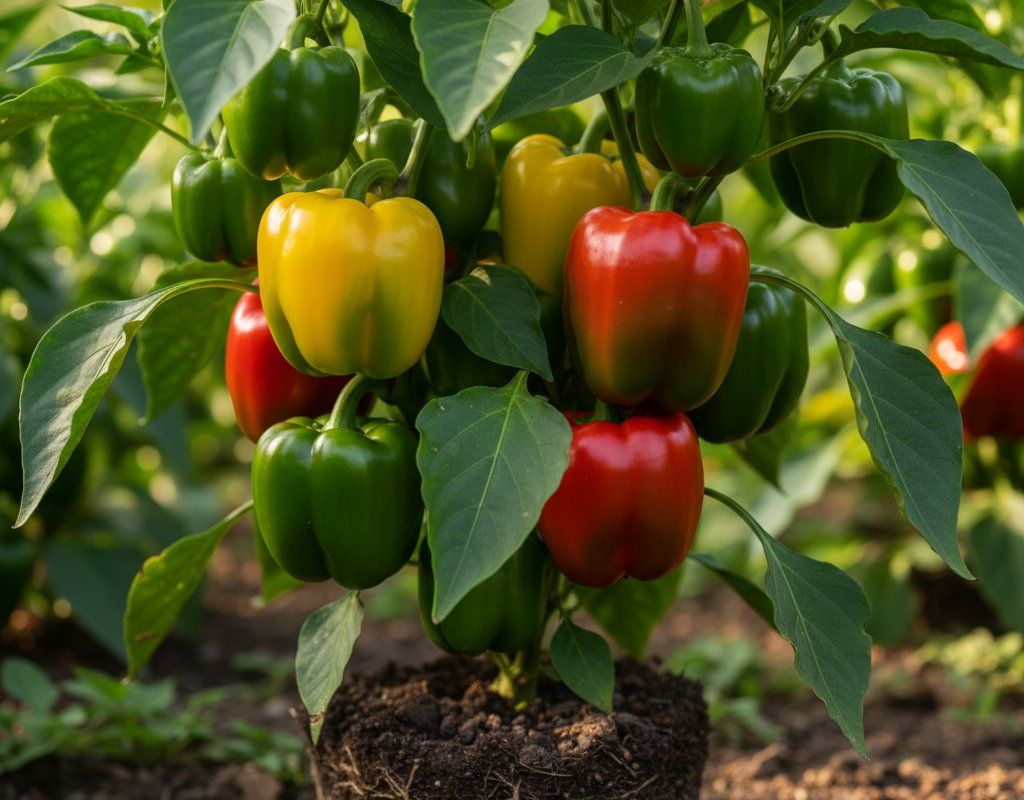
Bell Peppers in Zone 10B — Florida
Capsicum annuum · Your Complete 2026 Planting Guide
Check Planting Details Below
See the full planting guide for timing information.
How to Plant Bell Peppers in Zone 10B — Florida
Here are all your options for getting bell peppers in the ground, from the easiest method to more advanced approaches.
Start Seeds Indoors
RecommendedMid November through early December
around November 24
Then transplant: Mid January through mid February
Start seeds 8-10 weeks before transplanting outdoors.
Buy Starts
Works WellMid January through mid February
around January 19
Plant purchased starts after last frost (January 5).
Direct Sow Seeds
ChallengingDirect sowing is not typical for Bell Peppers.
Transplant Outdoors
Timing InfoMid January through mid February
around January 19
Wait until nighttime temperatures stay above 50°F.
You have a nice window — no need to rush.
Overview
Bell peppers are a rewarding addition to any Florida garden. Their crisp sweetness adds a delightful touch to your meals, whether you're grilling them, stuffing them, or tossing them into a vibrant salad. Plus, harvesting your own colorful peppers offers a unique satisfaction that store-bought produce simply can't match.
While Florida's heat and humidity can present challenges, bell peppers thrive here if you time your planting right. Our extended growing season, almost year-round, gives you a fantastic window to grow them during the cooler, drier months.
Starting Seeds Indoors
Starting bell pepper seeds indoors is the way to go in Florida. You'll want to get those seeds going from mid November through early December, about eight weeks before you plan to move them outside. Remember, our spring is a bit reversed, so we're thinking ahead to a late winter/early spring harvest.
Use seed trays and a good seed-starting mix. Keep the soil consistently moist, and provide warmth with a heat mat if you have one. Bottom watering works great to prevent damping off in our humid climate. Once the seedlings emerge, make sure they get plenty of light from a grow light or a sunny window.
Transplanting Outdoors
Transplanting your bell pepper seedlings outdoors happens from mid January through mid February. This gives them a head start before the real heat kicks in. Before you transplant, harden them off by gradually exposing them to outdoor conditions for about a week.
Space the plants 18-24 inches apart in a sunny spot with well-drained soil. Be mindful of potential cold snaps that can still occur this time of year. Keep an eye on the forecast and be prepared to cover your seedlings if temperatures dip unexpectedly.
Watering Bell Peppers in Zone 10B (Florida)
Consistent watering is key for growing plump, thick-walled bell peppers in Florida. Aim to keep the soil evenly moist, but not soggy. Use the "finger test" – if the top two inches of soil feel dry, it's time to water.
During our drier fall and winter months, your bell peppers will likely need about 1-2 inches of water per week, depending on rainfall. In the spring, as temperatures rise, increase watering as needed. Watering at the base of the plant is always best, as overhead watering in our humid climate can encourage fungal diseases.
Keep an eye out for signs of under or overwatering. Underwatering leads to wilting and blossom end rot, while overwatering can cause root rot. A good layer of mulch, like pine straw or wood chips, helps retain moisture and suppress weeds.
Supporting Your Bell Peppers
While bell peppers have a bush growth habit, they can still benefit from some support, especially when loaded with fruit. The weight of the peppers can cause branches to break or the whole plant to topple over.
A simple stake works wonders. Insert the stake near the plant at transplanting time, and gently tie the main stem to the stake as it grows. This helps keep the plant upright and prevents the fruit from touching the ground.
Pruning & Maintaining Bell Peppers
Bell peppers don't require heavy pruning, but a little maintenance goes a long way. Pinch off any early flowers that appear before the plant is well-established. This encourages stronger vegetative growth.
Remove any peppers that touch the soil to prevent rot. As the plant grows, prune out some of the interior branches to improve airflow and reduce the risk of fungal diseases, which are common in our humid environment. When our first frost approaches around late December, you can remove any remaining small peppers to encourage the larger ones to ripen.
🧪Fertilizing Bell Peppers
Feeding Schedule
Organic Fertilizer Options
Harvest Time
You can expect your first harvest of bell peppers from late March through mid May, about 70 days after transplanting. Bell peppers can be harvested green at their immature stage, but they develop their sweetest flavor and vibrant color when fully ripe (red, yellow, or orange).
To harvest, use sharp pruning shears or a knife to cut the pepper from the plant, leaving a short stem attached. Regular harvesting encourages continued production. As the end of our growing season approaches and frost threatens in late December, harvest any remaining peppers, even if they're still green. They can ripen indoors in a paper bag with an apple or banana.
Common Problems in Zone 10B (Florida)
Bell peppers can encounter a few problems here in Florida, but knowing what to look for can help you address them quickly.
- Blossom End Rot
- What it looks like: A sunken, dark brown or black leathery patch on the bottom of the pepper.
- What causes it: Calcium deficiency due to inconsistent watering. Our sandy soil drains quickly, making consistent moisture a challenge.
- How to fix/prevent it: Water consistently! Mulch heavily to help retain moisture. Avoid over-fertilizing with nitrogen.
- Blossom Drop
- What it looks like: Flowers fall off without setting fruit. Small fruit yellows and drops.
- What causes it: Temperature stress. Bell peppers don't like our hot summer nights.
- How to fix/prevent it: Be patient – fruit set will resume when temperatures moderate. Provide afternoon shade. Keep plants well-watered.
- Aphids
- What it looks like: Clusters of tiny insects on stems and leaf undersides. Sticky honeydew residue.
- What causes it: Rapid reproduction in warm weather.
- How to fix/prevent it: Strong water spray. Encourage ladybugs. Use insecticidal soap or neem oil.
- Sunscald
- What it looks like: White, papery patches on fruit exposed to direct sun.
- What causes it: Intense sunlight on fruit, often after leaves are lost.
- How to fix/prevent it: Don't over-prune. Use shade cloth. Maintain healthy foliage.
Florida's specific challenges – the extreme humidity, wet-summer rainfall, and sandy soil – all contribute to the issues bell peppers face. High humidity promotes fungal diseases, while our frequent heavy rains can leach nutrients from the soil. Consistent monitoring and proactive measures are key to a successful bell pepper harvest.
Best Companions for Bell Peppers
Plant these nearby for healthier Bell Peppers and better harvests.


Keep Away From

Companion Planting Details
Companion planting can be a big help in your Florida garden. Plant basil near your bell peppers – it repels pests and is a great flavor pairing. Tomatoes also make good companions, as they have similar growing requirements.
Carrots and onions can deter soil pests, while spinach can act as a ground cover, helping to retain moisture and suppress weeds. Avoid planting fennel, kohlrabi, or brassicas (like cabbage and broccoli) near your bell peppers, as they can inhibit growth or attract pests.
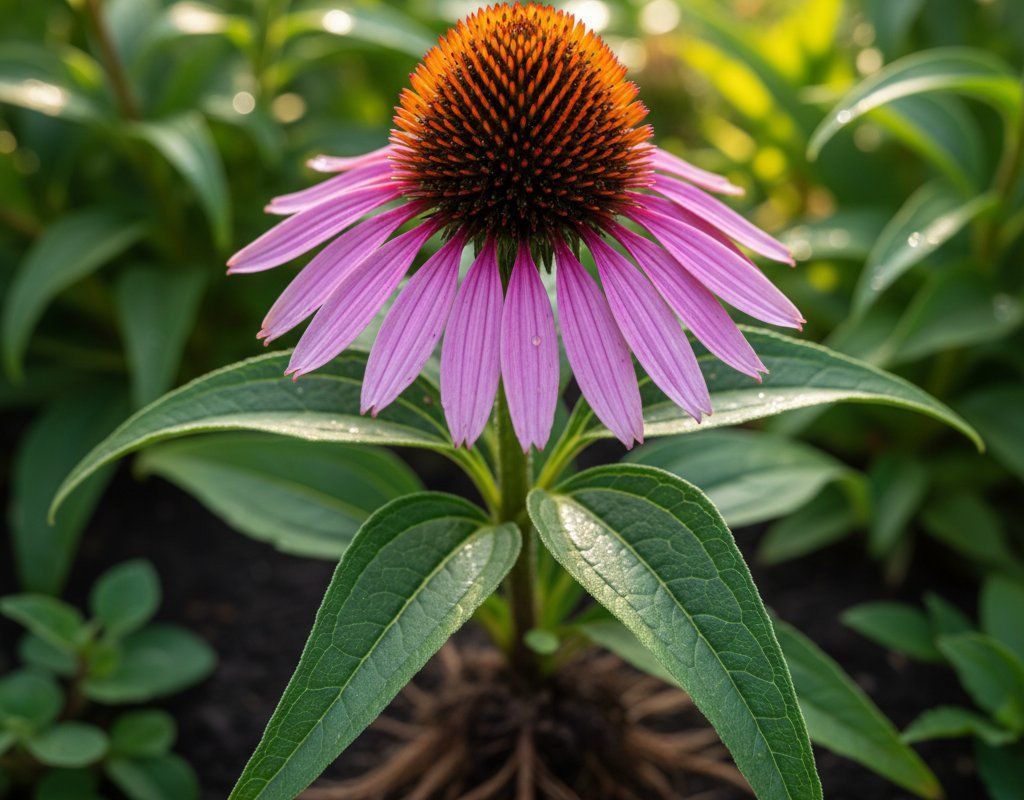
🌸Best Flowers to Plant with Bell Peppers
These flowers protect your Bell Peppers from pests and attract pollinators for better harvests.
For Pest Control







Get a Reminder When It's Time to Plant
We'll email you when key planting windows open for your zone.