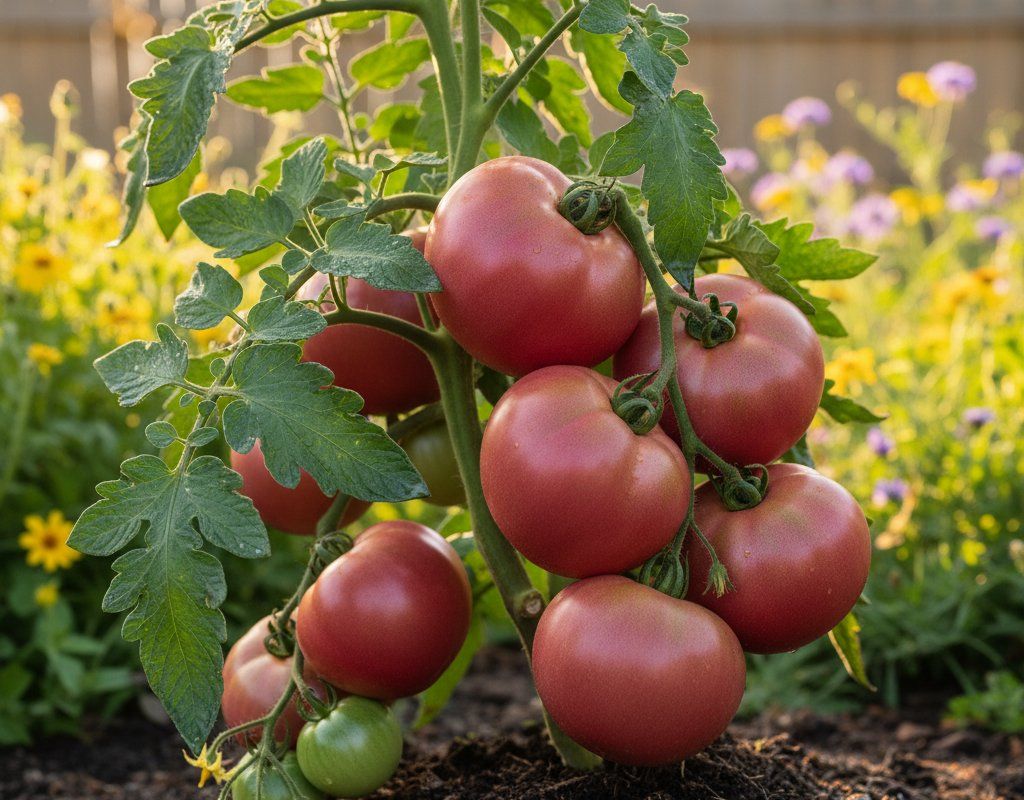
Brandywine Tomatoes in Zone 10B — Florida
Solanum lycopersicum · Your Complete 2026 Planting Guide
Check Planting Details Below
See the full planting guide for timing information.
How to Plant Brandywine Tomatoes in Zone 10B — Florida
Here are all your options for getting brandywine tomatoes in the ground, from the easiest method to more advanced approaches.
Start Seeds Indoors
RecommendedEarly to late December
around December 8
Then transplant: Mid January through early February
Start seeds 6-8 weeks before transplanting outdoors.
Buy Starts
Works WellMid January through early February
around January 19
Plant purchased starts after last frost (January 5).
Direct Sow Seeds
ChallengingDirect sowing is not typical for Brandywine Tomatoes.
Transplant Outdoors
Timing InfoMid January through early February
around January 19
Wait until nighttime temperatures stay above 50°F.
Plan to transplant within a few weeks of your target date.
Overview
Brandywine tomatoes are the crown jewel of heirloom varieties, and Florida's year-round growing season gives you the perfect opportunity to enjoy these massive, pink-red beauties with their unmatched sweet-tart flavor. While hybrids dominate grocery stores, nothing compares to a warm Brandywine straight from your garden - they can weigh over a pound each and deliver that old-fashioned tomato taste that makes growing your own worthwhile. Here in Zone 10B, you can time your planting to avoid the brutal summer heat while still getting a solid harvest.
Yes, Florida's extreme humidity and fungal pressure make Brandywines more challenging than disease-resistant hybrids, but our reversed growing season works in your favor. Plant in fall, harvest in winter and spring - it's the opposite of what northern gardeners do, but it lets you sidestep the worst of our summer conditions. With our 360-day growing season, you have flexibility to time everything just right for success.
Starting Seeds Indoors
Start your Brandywine seeds indoors during early to late December, about 6 weeks before you plan to transplant outside. This timing works perfectly with Florida's gardening calendar - you're starting seeds during our coolest weather while preparing for transplants when conditions warm up. Use seed trays filled with quality potting mix, keep them at 70-75°F, and provide bright light once seeds germinate.
Bottom watering works best for tomato seedlings - set your seed trays in a shallow pan of water and let the soil absorb moisture from below. This prevents damping-off disease, which loves our humid conditions. Once your seedlings develop their first true leaves, you can begin feeding with diluted liquid fertilizer every two weeks.
Keep seedlings indoors under grow lights or in your brightest south-facing window. Florida's "spring" arrives early compared to other regions, but don't rush - consistent indoor conditions will give you stronger transplants than trying to start seeds outside during our unpredictable winter weather patterns.
Transplanting Outdoors
Transplant your Brandywine seedlings outdoors from mid-January through early February, once nighttime temperatures consistently stay above 55°F. This window takes advantage of Florida's mild winter weather while giving plants time to establish before summer heat arrives. Harden off seedlings gradually over a week by setting them outside for increasing periods daily, starting with just 2-3 hours of morning sun.
Space plants 36-48 inches apart - Brandywines are vigorous indeterminate growers that need room for air circulation, especially critical in our humid climate. Plant deeper than the seedlings were in their containers, burying 2/3 of the stem to encourage strong root development. This deep planting helps anchor plants against our occasional winter storms and spring wind.
January and February can bring unexpected cold snaps, so keep row covers handy for protection. Sandy Florida soil warms quickly during sunny days, making transplanting easier than in heavier soils, but also means you'll need to stay on top of watering as plants establish.
Watering Brandywine Tomatoes in Zone 10B (Florida)
Brandywines need consistent, deep watering throughout their growing season - they're not drought tolerant and will crack badly if they experience wet-dry cycles. In Florida's climate, this means adjusting your watering strategy as we move from dry winter months through increasingly humid spring weather. Start with about 1-2 inches per week during establishment, increasing as plants grow and temperatures rise.
Use the finger test to check soil moisture 2 inches deep before watering. Sandy Florida soil drains quickly, so you'll likely need to water more frequently than gardeners in other regions. Water at the base of plants rather than overhead - our very high humidity means wet foliage invites fungal diseases that can devastate Brandywines. Soaker hoses or drip irrigation work perfectly for consistent soil moisture without wetting leaves.
During our wet summer season (if you're growing late varieties), you might need to back off watering and focus on drainage. Brandywines are particularly prone to cracking when heavy rains follow dry periods, so mulching becomes critical for moderating moisture swings. Watch for yellowing lower leaves (too much water) or wilting despite moist soil (root rot from overwatering).
Apply 2-3 inches of organic mulch around plants, keeping it a few inches from stems. This helps maintain even soil moisture while suppressing weeds and moderating soil temperature as Florida weather heats up through spring.
Supporting Your Brandywine Tomatoes
Install strong support systems at planting time - Brandywines are vigorous indeterminate vines that produce heavy fruit, often weighing over a pound each. Sturdy 6-foot cages work well, but many Florida gardeners prefer the stake-and-string method for better air circulation in our humid climate. Use 8-foot stakes driven 2 feet deep to handle potential storm winds.
Train main stems up stakes weekly, using soft ties that won't cut into growing stems. The potato-leaf foliage of Brandywines provides less shade than regular tomato leaves, which can be both good and bad in Florida - better air circulation but more sun exposure for fruit. Position cages or stakes to provide some afternoon shade protection as summer approaches.
Florida's sandy soil makes securing heavy support systems crucial. Consider using T-posts or rebar stakes that can be driven deep for stability. Your support system needs to handle not just the weight of fruit, but also sudden thunderstorms and occasional strong winds during our growing season.
Pruning & Maintaining Brandywine Tomatoes
Prune Brandywine suckers moderately to improve air circulation - critical in Florida's humid conditions where fungal diseases thrive. Remove suckers that grow between main stems and branches, but don't over-prune since Brandywines need adequate foliage to protect fruit from sun scald. Focus on removing lower branches that touch the ground and any growth below the first flower cluster.
Throughout the growing season, remove yellowing or diseased lower leaves promptly to prevent fungal spread. Brandywines are more disease-susceptible than hybrid varieties, so good pruning hygiene matters more than with other tomatoes. Always prune during dry conditions and sanitize pruners between plants if you see any signs of disease.
As your first frost approaches in late December, you can top plants to redirect energy into ripening existing fruit rather than producing new flowers. This end-of-season pruning helps you maximize your harvest before cold weather arrives, though with our mild winters, some gardeners let plants continue growing and simply protect them during cold snaps.
🧪Fertilizing Brandywine Tomatoes
Feeding Schedule
Organic Fertilizer Options
Harvest Time
Your first Brandywine tomatoes will be ready from mid-April through late May, about 90 days from transplanting. These beauties ripen from the inside out, so look for pink-red color with slight give when gently squeezed - shoulders may stay greenish, which is normal for this variety. Don't wait for deep red coloring or you'll miss the peak flavor window.
Harvest with a gentle twist and pull, or use clean pruners to avoid damaging the vine. Brandywines continue producing through late spring and early summer if conditions remain favorable, giving you several months of harvest before Florida's heat becomes too intense. Pick fruit every 2-3 days once production peaks to keep plants producing.
As your first frost approaches in late December, harvest all remaining fruit regardless of size. Green Brandywines ripen well indoors - wrap them individually in newspaper and store in a cool, dark place. Check weekly and move ripe ones to the refrigerator. This extends your harvest season even after plants shut down for winter.
The beauty of Florida's long growing season is that you can succession plant for extended harvests, starting new plants in late summer for fall production if you're willing to baby them through the heat transition.
Common Problems in Zone 10B (Florida)
Cracking Deep splits appear in the tomato skin, either in circles around the stem or radiating outward like spokes. These cracks expose the flesh and often lead to rot, making fruit unusable. Brandywines are particularly prone to this compared to hybrid varieties.
Florida's unpredictable rainfall patterns - from dry winter months to sudden thunderstorms - create perfect conditions for cracking. When heavy rain or irrigation follows a dry spell, fruit absorbs water faster than the skin can expand. Maintain consistent soil moisture with mulching and regular watering. Harvest fruit as soon as they show color rather than waiting for full ripeness on the vine.
Disease Susceptibility Plants develop multiple fungal and bacterial problems throughout the season - leaf spots, wilting, stem cankers, and fruit rot. Leaves may yellow and drop, and fruit develops dark, sunken spots. Heirloom varieties like Brandywine lack the disease resistance genes bred into modern hybrids.
Florida's very high humidity and wet summer conditions create ideal disease environments. Improve air circulation through wider spacing (48 inches apart) and regular pruning of lower branches. Water at soil level, never on leaves. Apply preventative copper fungicide sprays during humid periods, and remove affected plant parts immediately.
Low Yields Despite healthy-looking plants, you get far fewer tomatoes than expected. Plants may grow vigorously but produce few flowers, or flowers drop without setting fruit. This frustrates gardeners expecting supermarket-style production levels.
Heirloom varieties naturally yield less than hybrids, and Florida's climate adds challenges. Excessive nitrogen from over-fertilizing creates lush growth but few flowers. High nighttime temperatures (above 75°F) can prevent fruit set. Use balanced fertilizer, ensure adequate phosphorus, and time plantings to avoid the hottest weather. Hand-pollinate flowers with a small brush if needed.
Catfacing Tomatoes develop deep crevices, scars, and lumpy deformities, especially around the blossom end. Fruit looks misshapen and unmarketable, though it's still edible. Large-fruited varieties like Brandywine are most susceptible.
Cool nighttime temperatures during flowering (below 55°F) cause incomplete pollination, leading to deformed fruit. Florida's variable winter weather creates these conditions. Plant after nighttime temperatures consistently stay above 55°F, and use row covers during unexpected cold snaps. The fruit remains perfectly safe to eat despite appearance.
Florida Specific Challenges: Our extreme humidity promotes fungal diseases that devastate Brandywines, while sandy soil requires more frequent watering to prevent the wet-dry cycles that cause cracking. Summer heat eventually becomes too intense for continued production, but our reversed growing season lets you harvest during the cooler months when these heirloom varieties perform best.
Best Companions for Brandywine Tomatoes
Plant these nearby for healthier Brandywine Tomatoes and better harvests.
View Full Companion Planting Chart →



Companion Planting Details
Plant basil alongside your Brandywines - it reportedly improves tomato flavor while repelling aphids and other pests that thrive in Florida's warm climate. Carrots make excellent companions since their deep taproots don't compete with tomato roots, and they help break up our sandy soil. Parsley attracts beneficial insects that prey on tomato hornworms, while marigolds release compounds that may deter nematodes - a serious problem in Florida's sandy soils.
Avoid planting brassicas like cabbage or broccoli near tomatoes, as they can stunt each other's growth and compete for nutrients. Fennel should be kept far away since it inhibits tomato growth, and corn attracts similar pests like hornworms while providing no benefits. In Florida's intense growing conditions, every companion plant needs to earn its space by providing real benefits to your tomatoes.
🌸Best Flowers to Plant with Brandywine Tomatoes
These flowers protect your Brandywine Tomatoes from pests and attract pollinators for better harvests.
For Pest Control

Get a Reminder When It's Time to Plant
We'll email you when key planting windows open for your zone.