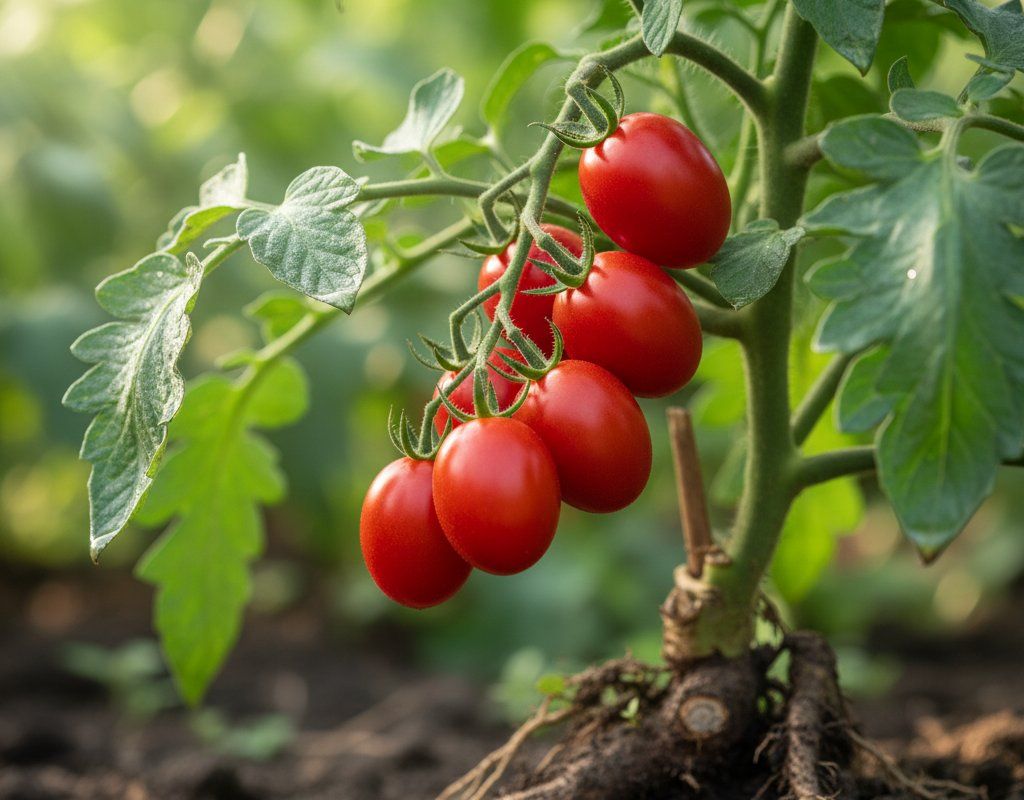
Grape Tomatoes in Zone 3A — Mountain West
Solanum lycopersicum var. cerasiforme · Your Complete 2026 Planting Guide
Planning Ahead — Great!
You’re ahead of the season. Here’s when to start.
Mark Your Calendar
How to Plant Grape Tomatoes in Zone 3A — Mountain West
Here are all your options for getting grape tomatoes in the ground, from the easiest method to more advanced approaches.
Start Seeds Indoors
RecommendedLate April through mid May
around May 4
Then transplant: Mid to late June
Start seeds 6-8 weeks before transplanting outdoors.
Buy Starts
Works WellMid to late June
around June 15
Plant purchased starts after last frost (June 1).
Direct Sow Seeds
ChallengingDirect sowing is not typical for Grape Tomatoes.
Transplant Outdoors
Timing InfoMid to late June
around June 15
Wait until nighttime temperatures stay above 50°F.
Plan to transplant within a few weeks of your target date.
Overview
Grape tomatoes thrive in our Mountain West gardens, offering the perfect balance of sweet flavor and meaty texture that concentrates beautifully in our intense high-altitude sun. These prolific little powerhouses produce clusters of oblong fruits that hold up better to our sudden weather swings than delicate cherry varieties, making them ideal for our unpredictable mountain climate. The thick skin that develops under our intense UV creates tomatoes with exceptional flavor and storage quality.
Yes, our 96-day growing season and early June last frost make tomatoes challenging, but grape varieties actually work in our favor here. Their determinate nature and reliable production mean you'll get a solid harvest even when September frost arrives earlier than expected, and starting them indoors gives you the head start needed to work with our short but intense growing window.
Starting Seeds Indoors
Start your grape tomato seeds indoors during late April through mid-May, about 6 weeks before you can safely transplant outside. In our mountain region, this timing works perfectly since our springs arrive late and unpredictable warm spells can trick you into starting too early. Use seed starting trays filled with quality seed starting mix, and keep them consistently warm at 70-75°F for the best germination.
Set up your seedlings under grow lights or in your sunniest south-facing window, keeping lights about 2 inches above the seedlings as they grow. Bottom water your trays by setting them in shallow pans of water rather than watering from above - this prevents damping off disease and encourages strong root development. The low humidity in our mountain air actually helps prevent many fungal issues that plague tomato seedlings in more humid regions.
Your seedlings will be ready to transplant when they're 6-8 inches tall with their first true leaves fully developed. This timing perfectly aligns with our mid to late June transplant window when soil temperatures finally warm up and night frost danger passes.
Transplanting Outdoors
Transplant your grape tomato seedlings outdoors from mid to late June, once soil temperatures consistently stay above 60°F and nighttime lows remain above 45°F. Our mountain nights stay surprisingly cool even in summer, so don't rush this step even if days feel warm. A week of gradual hardening off is essential - start with 2-3 hours outside in morning sun, then gradually increase exposure over 7 days.
Space your plants 24-36 inches apart to allow for good air circulation, which is crucial in our low-humidity environment where plants can quickly become stressed. Plant them slightly deeper than they were growing in containers, burying part of the stem to encourage strong root development. The intense UV at our altitude can shock transplants, so consider providing some afternoon shade cloth for the first week if you're gardening above 6,000 feet.
Choose a sunny, sheltered location protected from our common afternoon hail and strong mountain winds. Your grape tomatoes will need every bit of warmth they can get during our brief but intense growing season.
Watering Grape Tomatoes in Zone 3A (Mountain West)
Grape tomatoes need consistent, deep watering throughout our dry mountain summer, requiring about 1-2 inches of water weekly including any rainfall we might get. In our climate where we typically see only 10-20 inches of annual precipitation, you'll be doing most of the watering yourself. The moderate heat at altitude means less evaporation stress than lower elevations, but our low humidity and constant mountain breezes still pull moisture from both soil and plants.
Use the finger test to check soil moisture - stick your finger 2 inches deep near the plant base, and water when it feels dry at that depth. Our intense sun can make surface soil look parched while deeper layers stay moist longer than in humid climates. Water deeply at the base of plants rather than overhead, since our low humidity means foliage dries quickly and soil splash becomes your main disease concern rather than humid-air fungal issues.
Watch for signs of stress in our mountain conditions: wilting during the heat of the day even with moist soil (normal), leaves with brown edges (underwatering), or yellow lower leaves (either over or underwatering). Apply a 2-3 inch layer of straw or shredded bark mulch around plants to help maintain consistent soil moisture and protect against our dramatic day-night temperature swings.
Supporting Your Grape Tomatoes
Install sturdy tomato cages or stakes at planting time since grape tomatoes are vigorous indeterminate varieties that will easily reach 6 feet or more in our intense mountain sun. Standard 5-foot tomato cages work well, but choose heavy-duty versions that can handle our sudden mountain wind storms without toppling over. The consistent cool nights in our region actually encourage strong stem development, but the plants still need support for their heavy fruit clusters.
For staking, use 6-foot stakes driven at least 18 inches deep, and tie plants loosely with soft cloth strips every 12-18 inches as they grow. Our low humidity means plant stems stay firmer and less prone to rot where ties contact them, unlike in humid climates. Position stakes on the side away from prevailing winds to prevent plants from being blown into the support.
Train the main stem upward and loosely secure major branches, but don't worry about perfect control - grape tomatoes are forgiving and productive even with casual support. The key is preventing the fruit-heavy branches from breaking during our sudden afternoon thunderstorms.
Pruning & Maintaining Grape Tomatoes
Grape tomatoes need only light pruning compared to large slicing varieties, since they naturally produce well without aggressive sucker removal. Focus on removing suckers (shoots growing between the main stem and branches) from the bottom third of the plant to improve air circulation and direct energy to fruit production. In our dry climate, this lower-level pruning helps prevent soil splash diseases more than managing humidity issues.
Remove any yellowing or damaged lower leaves throughout the growing season, especially after our occasional summer hail storms that can shred foliage. Our intense mountain sun means plants can photosynthesize efficiently even with moderate pruning, so don't hesitate to clean up damaged growth. The cool nights help plants recover quickly from pruning stress.
As first frost approaches in early September, you can top the plants by pinching out the growing tips to encourage existing fruits to ripen faster. This end-of-season pruning redirects the plant's energy into finishing the current fruit set rather than developing new flowers that won't have time to mature in our short season.
🧪Fertilizing Grape Tomatoes
Feeding Schedule
Organic Fertilizer Options
Harvest Time
Your first grape tomatoes will be ready from mid-August through early September, about 60 days from transplanting. Look for fruits that are fully colored (typically red, but check your variety), have developed their characteristic oblong shape, and give slightly when gently squeezed. The thick skins that develop under our intense UV will be firmer than tomatoes grown in milder climates - this is actually a benefit for storage and handling.
Harvest by gently twisting and pulling individual fruits or cutting the stems with clean scissors to avoid damaging the productive vines. Pick tomatoes regularly every 2-3 days once production begins - consistent harvesting encourages the plants to keep producing rather than putting energy into ripening existing fruit. In our short season, you want maximum production during your peak growing window.
As early September frost approaches, harvest all mature green fruits and bring them indoors to ripen on countertops or in paper bags. Grape tomatoes ripen well off the vine, and this strategy often doubles your total harvest when frost ends the season early. The thick skins that develop in our climate actually improve their off-vine ripening compared to thin-skinned varieties.
Green tomatoes can continue ripening for weeks indoors, giving you fresh tomatoes well into fall even after your garden is covered in snow.
Common Problems in Zone 3A (Mountain West)
Cracking appears as splits in the tomato skin, either in circles around the stem or radiating lines from top to bottom. While grape tomatoes are more crack-resistant than cherry types, our mountain climate's dramatic moisture swings can still cause problems. A heavy thunderstorm after several dry days creates the perfect conditions for fruit to absorb water faster than the skin can expand, especially when combined with our intense sun that toughens skins.
Prevent cracking by maintaining consistent soil moisture through mulching and regular deep watering. Our low humidity actually helps here - skins don't stay as supple as in humid climates, but they also don't soften and split as easily from excess moisture. Harvest ripe fruits promptly rather than leaving them on the vine during uncertain weather.
Blossom End Rot shows as dark, sunken patches on the bottom (blossom end) of fruits, often affecting your first tomatoes of the season. This isn't a disease but a calcium deficiency caused by inconsistent watering - common in our climate where cool spring soil delays root development and summer heat stress affects nutrient uptake. Our alkaline mountain soils usually contain plenty of calcium, but inconsistent moisture prevents plants from accessing it.
Fix this through consistent watering and heavy mulching to maintain even soil moisture. Don't over-fertilize with nitrogen, which can interfere with calcium uptake. Our intense sun and low humidity make consistent soil moisture challenging but critical for preventing this problem.
Early Blight appears as brown spots with concentric rings (bullseye pattern) on lower leaves, gradually moving up the plant as leaves yellow and drop. This fungal disease spreads through soil splash onto lower foliage, which is actually less problematic in our low-humidity climate than in muggy regions. However, our intense UV can stress plants and make them more susceptible, and summer thunderstorms create perfect splash conditions.
Prevent early blight by mulching heavily to eliminate soil splash and removing lower leaves before they touch the ground. Water at the base rather than overhead, and ensure good air circulation through proper spacing. Our dry air helps control fungal spread once you eliminate the soil splash source.
Mountain West Specific Challenges: Our moderate summer heat and low humidity actually reduce many common tomato problems compared to hotter, more humid regions. However, our intense UV can stress plants and toughen fruit skins, while dramatic day-night temperature swings and sudden storms create unique watering challenges that require consistent attention to soil moisture management.
Best Companions for Grape Tomatoes
Plant these nearby for healthier Grape Tomatoes and better harvests.
View Full Companion Planting Chart →



Companion Planting Details
Plant basil alongside your grape tomatoes - it thrives in the same warm, sunny conditions and may help repel pests while improving tomato flavor through natural plant chemistry. Carrots work well as ground-level companions since their deep taproots don't compete with tomato roots, and they help break up our often-compacted mountain soils. Marigolds planted nearby can deter aphids and whiteflies, which can be problematic when our cool nights stress tomato plants and make them more susceptible to pest damage.
Avoid planting brassicas like cabbage or broccoli near tomatoes, as they compete for similar nutrients and can harbor diseases that affect nightshades. Skip fennel entirely - it releases compounds that inhibit tomato growth and can reduce your harvest significantly. Corn is also a poor companion in our short-season climate since both crops need maximum sun and space, and corn's height can shade tomatoes during our limited growing window when every hour of sunlight counts.
🌸Best Flowers to Plant with Grape Tomatoes
These flowers protect your Grape Tomatoes from pests and attract pollinators for better harvests.
For Pest Control

Get a Reminder When It's Time to Plant
We'll email you when key planting windows open for your zone.