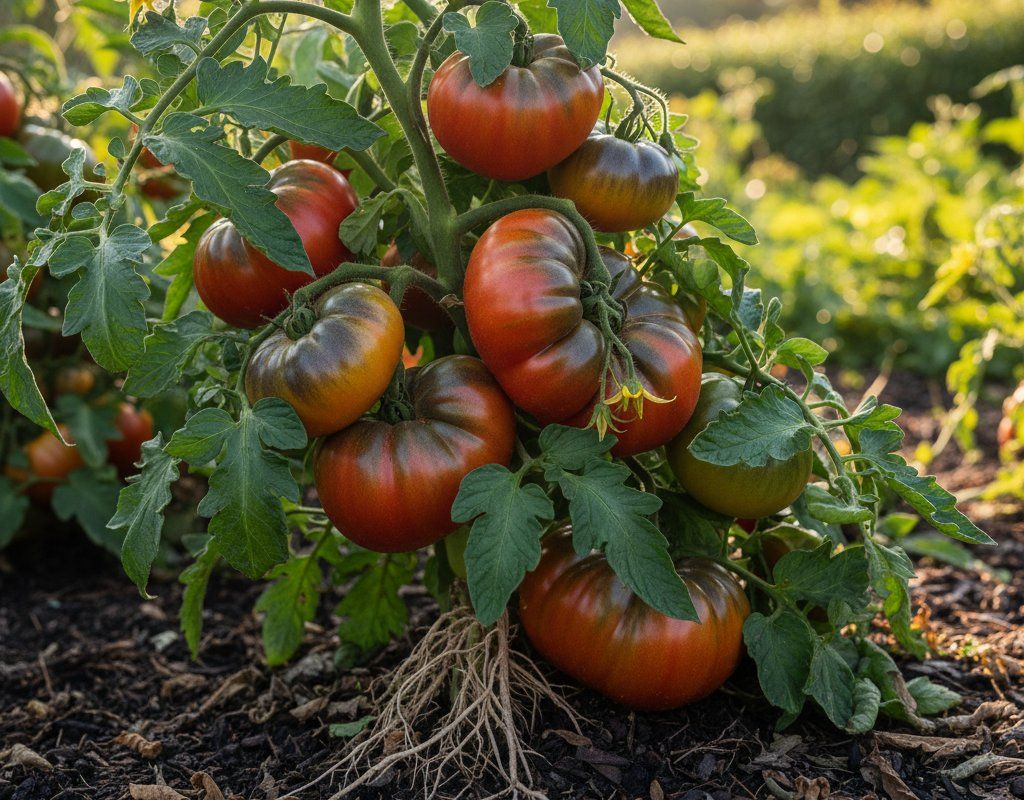
Heirloom Tomatoes in Zone 10B — Florida
Solanum lycopersicum · Your Complete 2026 Planting Guide
Check Planting Details Below
See the full planting guide for timing information.
How to Plant Heirloom Tomatoes in Zone 10B — Florida
Here are all your options for getting heirloom tomatoes in the ground, from the easiest method to more advanced approaches.
Start Seeds Indoors
RecommendedEarly to late December
around December 8
Then transplant: Mid January through mid February
Start seeds 6-8 weeks before transplanting outdoors.
Buy Starts
Works WellMid January through mid February
around January 19
Plant purchased starts after last frost (January 5).
Direct Sow Seeds
ChallengingDirect sowing is not typical for Heirloom Tomatoes.
Transplant Outdoors
Timing InfoMid January through mid February
around January 19
Wait until nighttime temperatures stay above 50°F.
You have a nice window — no need to rush.
Overview
Heirloom tomatoes bring unmatched flavor diversity to your Florida garden, with varieties that showcase complex tastes you'll never find in supermarket hybrids. Here in Zone 10B, our unique growing window means you'll be harvesting gorgeous Cherokee Purples and Brandywines while northern gardeners are still planning their spring gardens. The satisfaction of growing these heritage varieties in our subtropical climate creates a perfect bridge between our reversed seasons and traditional gardening wisdom.
While Florida's extreme humidity and summer heat present challenges for these tender plants, our extended growing season gives you nearly 360 days to work with garden timing. Starting heirloom tomatoes during our mild winter months and harvesting through late spring means you'll avoid the brutal summer conditions that stress these disease-susceptible varieties. With proper timing and consistent moisture management, you can successfully grow these flavorful treasures before our rainy season begins.
Starting Seeds Indoors
Starting heirloom tomato seeds indoors during early to late December gives you the perfect timing for our reversed Florida growing calendar. Set up your seed trays in a warm spot that maintains 65-75°F consistently – your heated garage or spare room works well during our brief winter chill. Use quality seed-starting mix in cell trays, and bottom water to prevent fungal issues that plague seedlings in our humid climate.
Your seedlings need strong light once they emerge, either from a south-facing window or grow lights positioned 2-3 inches above the plants. Keep the soil consistently moist but not waterlogged – Florida's winter humidity means less frequent watering than you might expect. Start hardening off your seedlings in mid-January, gradually exposing them to outdoor conditions for a week before your transplant window opens.
The beauty of our Florida growing season means you're starting these seeds while most of the country is dormant. This timing perfectly positions your plants to establish during our comfortable winter temperatures before facing any heat stress.
Transplanting Outdoors
Transplant your hardened-off heirloom tomato seedlings from mid-January through mid-February, when nighttime temperatures consistently stay above 50°F. This window captures our brief cool season before temperatures climb too high for optimal fruit set. Space your plants 36-48 inches apart – heirloom varieties need extra room for air circulation in our humid climate, and their indeterminate growth habit requires significant space.
Prepare your planting holes by mixing compost into our typically sandy Florida soil, which drains quickly but needs organic matter for moisture retention. Install your support system at planting time to avoid disturbing established roots later. Choose a spot with morning sun and some afternoon protection if possible – full sun is essential, but our intense late-day heat can stress young transplants.
Watch weather forecasts carefully during transplant season. Our occasional cold snaps in late January or early February can damage tender tomato plants, so keep row covers handy for protection. Once established, these plants will thrive in our mild winter and early spring conditions.
Watering Heirloom Tomatoes in Zone 10B (Florida)
Heirloom tomatoes demand consistent moisture year-round, which requires different strategies as Florida's seasons shift from our dry winter months to the wet summer period. During the growing season from transplant through late spring, provide 1-2 inches of water weekly, checking soil moisture with the finger test – if it's dry 2 inches down, it's time to water. Water at the base of plants using soaker hoses or drip irrigation to keep foliage dry in our humid climate.
Our winter dry season means you'll do most watering manually, but as we transition into late spring, monitor rainfall closely. Too much water after dry periods causes the fruit cracking that plagues heirloom varieties. Mulch heavily with organic matter to buffer moisture fluctuations in our sandy soil – pine needles, shredded leaves, or grass clippings work well and break down to improve soil structure.
Watch for signs of stress carefully: wilting during our hot afternoons even with adequate soil moisture indicates heat stress, while yellowing lower leaves often signals overwatering in our poorly draining sandy soil. During our brief winter dry spells, tomatoes may need water every 2-3 days, but once our rainy season approaches in late May, you'll shift to monitoring for excess moisture and drainage issues.
The key to success with heirlooms is avoiding the feast-or-famine watering cycle that our climate naturally creates. Consistent moisture prevents cracking and maintains steady growth through our temperature fluctuations.
Supporting Your Heirloom Tomatoes
Install sturdy tomato cages or stake systems at transplant time – heirloom tomatoes' indeterminate growth habit means they'll climb 6-8 feet in our long growing season. Heavy-duty cages work better than flimsy store-bought versions because heirloom varieties produce irregularly shaped, heavy fruits that can snap branches without proper support. For staking, use 6-foot tall stakes driven 12 inches deep with soft ties to secure the main stem.
Train your plants weekly by gently weaving new growth through cage openings or tying to stakes. Heirlooms grow vigorously in our mild winter and spring conditions, so staying ahead of the growth prevents damage later. The irregular shapes and sizes of heirloom fruits create uneven weight distribution that can snap unsupported branches just as fruits reach maturity.
Consider Florida's occasional strong storms when choosing support methods. Our spring thunderstorms and potential late-season weather events mean your support system needs to withstand 40-50 mph winds. Wire cages anchored with rebar stakes provide the stability these productive plants need through our dynamic weather patterns.
Pruning & Maintaining Heirloom Tomatoes
Remove suckers (shoots growing between main stems and branches) regularly to improve air circulation – crucial for preventing fungal diseases in our humid climate. Heirloom varieties are more susceptible to disease than modern hybrids, so maintaining good airflow through selective pruning helps prevent problems before they start. Focus on removing suckers below the first fruit cluster and any growth that's crowding the plant's center.
Remove lower leaves that touch the ground as fruits develop, creating clearance that reduces soil-borne disease transmission. Prune damaged, diseased, or yellowing foliage immediately – our humidity can turn small problems into major disease issues quickly. During our growing season, plan on light weekly pruning to maintain plant health and productivity.
As first frost approaches in late December, decide whether to let plants finish naturally or harvest remaining green fruits for indoor ripening. Many Florida gardeners prefer to harvest green tomatoes in mid-December and ripen them indoors, avoiding the stress of protecting plants through our brief cold period.
🧪Fertilizing Heirloom Tomatoes
Feeding Schedule
Organic Fertilizer Options
Harvest Time
Your first heirloom tomatoes will be ready from early April through late May, about 80 days from transplanting. Unlike uniform hybrids, heirloom varieties ripen at their own pace with colors ranging from deep red to purple, yellow, or even green when fully mature – learn your specific variety's characteristics. Test ripeness by gentle pressure; ripe heirloom tomatoes yield slightly to touch and detach easily from the vine with a gentle twist.
Harvest in the morning after dew dries but before the day heats up. Our Florida sun can literally cook tomatoes on the vine during late spring heat waves, so pick fruits as soon as they reach full color and size. Many heirloom varieties develop their best flavor when picked at the first sign of color change and ripened indoors – this also prevents cracking from our sudden spring thunderstorms.
Continue harvesting regularly to encourage continued production through late spring. Heirloom tomatoes ripen unevenly, so you'll have fruits in various stages of development simultaneously. This actually works well for Florida gardeners since you can stagger your harvest before our summer heat arrives.
As late spring temperatures climb into the 90s consistently, your plants will begin slowing production. Harvest any remaining green fruits before our first summer heat wave and ripen them indoors – they'll continue developing flavor and color on your kitchen counter.
Common Problems in Zone 10B (Florida)
Fruit Cracking Concentric circles or radiating lines split the tomato skin, often exposing the flesh underneath. This happens when heavy rain or watering follows dry periods – the fruit absorbs water faster than the skin can expand. Our spring thunderstorms combined with sandy soil that drains quickly creates perfect conditions for this cycle. Maintain consistent moisture with mulch and regular watering, harvest promptly when ripe, and choose crack-resistant varieties like 'Mountain Fresh Plus' for Florida conditions.
Disease Susceptibility Yellow or brown spots on leaves, wilting despite adequate water, or fruit rot indicate various fungal and bacterial diseases. Heirloom varieties lack the disease resistance bred into modern hybrids, making them vulnerable in our humid climate. Improve air circulation through proper spacing and sucker removal, apply preventative organic fungicide weekly, and remove affected plant material immediately. Consider planting in raised beds with excellent drainage to combat our humidity-related disease pressure.
Lower Yields Fewer fruits per plant compared to hybrid varieties, especially as spring heat intensifies. Heirloom varieties prioritize flavor over production, and our climbing temperatures stress plants earlier than cooler climates. Focus on soil improvement with compost, provide consistent water and nutrients, and time your plantings to maximize cool-season growth. Accept that quality trumps quantity with heirlooms – fewer fruits with exceptional flavor beats abundant bland tomatoes.
Irregular Shapes Bumpy, ridged, or misshapen fruits that look nothing like store-bought tomatoes. This is partly genetic – many heirloom varieties naturally produce unusual shapes – but poor pollination during temperature swings also contributes. Cool nights below 55°F or hot days above 85°F during flowering reduce pollination effectiveness. Embrace the character of irregular heirlooms since they often have the most complex flavors, and time plantings to have flowering occur during our mild late winter and early spring weather.
Florida Specific Challenges Our extreme humidity creates perfect conditions for fungal diseases, while nematodes in sandy soil attack tomato roots year after year. Summer heat exceeding 90°F regularly stops fruit production, and sudden temperature swings stress these sensitive plants. Plant in containers with fresh soil if nematodes are problematic, ensure excellent drainage in raised beds, and plan your growing season to avoid our brutal summer conditions entirely.
Best Companions for Heirloom Tomatoes
Plant these nearby for healthier Heirloom Tomatoes and better harvests.
View Full Companion Planting Chart →



Companion Planting Details
Plant basil alongside your heirloom tomatoes – it naturally repels aphids and whiteflies while thriving in the same conditions as tomatoes in our Florida climate. Carrots planted nearby won't compete for nutrients since they feed at different soil levels, and their taproots help break up our compacted sandy soil. Marigolds provide pest deterrent benefits and add bright color to your winter tomato garden, plus they handle our humidity better than many other flowering companions.
Avoid planting brassicas like cabbage or broccoli near tomatoes – they're heavy feeders that compete for nutrients, and in Florida's sandy soil, this competition becomes more pronounced. Keep fennel far from tomato plants since it releases compounds that can stunt tomato growth. Skip corn as a companion since it attracts similar pests and its tall growth can shade your tomatoes during our lower winter sun angle when every ray counts for fruit development.
🌸Best Flowers to Plant with Heirloom Tomatoes
These flowers protect your Heirloom Tomatoes from pests and attract pollinators for better harvests.
For Pest Control

Get a Reminder When It's Time to Plant
We'll email you when key planting windows open for your zone.