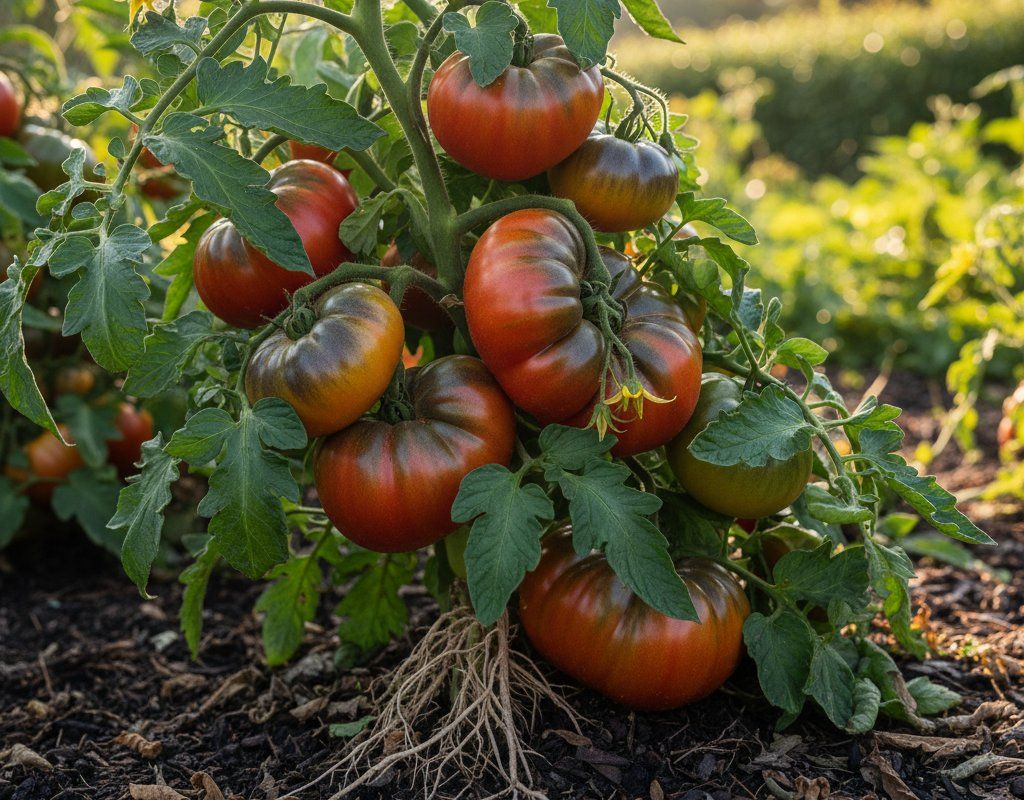
Heirloom Tomatoes in Zone 3A — Mountain West
Solanum lycopersicum · Your Complete 2026 Planting Guide
Planning Ahead — Great!
You’re ahead of the season. Here’s when to start.
Mark Your Calendar
How to Plant Heirloom Tomatoes in Zone 3A — Mountain West
Here are all your options for getting heirloom tomatoes in the ground, from the easiest method to more advanced approaches.
Start Seeds Indoors
RecommendedLate April through mid May
around May 4
Then transplant: Mid to late June
Start seeds 6-8 weeks before transplanting outdoors.
Buy Starts
Works WellMid to late June
around June 15
Plant purchased starts after last frost (June 1).
Direct Sow Seeds
ChallengingDirect sowing is not typical for Heirloom Tomatoes.
Transplant Outdoors
Timing InfoMid to late June
around June 15
Wait until nighttime temperatures stay above 50°F.
Timing is critical in your zone — don’t delay!
Overview
Heirloom tomatoes bring unmatched flavor and character to your Mountain West garden, offering varieties with complex tastes you'll never find in stores. Our intense sun at altitude develops exceptional sugars, while cool nights even in summer help concentrate flavors that make each variety distinct. The satisfaction of growing Cherokee Purples or Brandywines that actually taste like something is worth the extra effort these varieties require.
Yes, our short 96-day growing season and early September frost make heirlooms challenging, but proper timing turns these limitations into advantages. Starting indoors in late spring and transplanting after our notorious cold snaps gives you enough time for a solid harvest. The key is working with our Mountain climate rather than fighting it.
Starting Seeds Indoors
Start your heirloom tomato seeds indoors during late April through mid-May, about 6 weeks before you plan to transplant. Our late spring means you're not rushing to get seeds started too early, which often leads to leggy plants sitting around waiting for warm weather. Use seed starting mix in trays or small pots, keeping soil warm (70-75°F) for best germination.
Place your seed trays under grow lights or in a sunny south window, maintaining consistent moisture through bottom watering rather than spraying from above. This prevents damping off, which can devastate tomato seedlings. Once seedlings develop their first true leaves, begin weekly dilute fertilizer feeds.
The timing works perfectly with our Mountain growing pattern - you'll have sturdy transplants ready just as our soil finally warms and nighttime temperatures stabilize above 50°F consistently.
Transplanting Outdoors
Transplant your heirloom tomatoes outdoors from mid to late June, after soil has warmed and nighttime lows stay above 50°F reliably. This timing may seem late, but our intense sun quickly catches plants up once conditions are right. Rushing transplants into cold soil or exposing them to temperature swings sets them back weeks.
Harden off plants gradually over a week by placing them outside for increasing periods daily, starting with a few hours of morning sun. Space plants 36-48 inches apart - heirlooms need extra room for air circulation since they're more disease-prone than hybrids.
At transplant time, protect plants from our intense UV with shade cloth for the first week. Even hardened-off plants can get sunscald from our high-altitude conditions. Remove shade cloth once plants show new growth and have adjusted to full Mountain sun.
Watering Heirloom Tomatoes in Zone 3A (Mountain West)
Consistent moisture is absolutely critical for heirloom tomatoes in our dry Mountain climate. These varieties crack much more easily than hybrids when they experience the wet-dry cycles that our low rainfall and intense sun create. Water deeply 2-3 times per week rather than daily light watering, providing about 1-2 inches total per week.
Check soil moisture with the finger test - stick your finger 2 inches down near the base of plants. If it's dry at that depth, it's time to water. Our low humidity means soil dries faster than you'd expect, especially during hot spells when temperatures hit the mid-80s.
Water at the base of plants rather than overhead to reduce disease pressure and water loss to evaporation. Our dry air means overhead watering is largely wasted anyway. Install drip irrigation or soaker hoses if possible - they're perfect for our arid conditions.
Mulch around plants with 2-3 inches of straw or shredded leaves to maintain consistent soil moisture and reduce the dramatic temperature swings our soil experiences. Under-watered plants show wilting despite cool morning temperatures, while over-watered plants develop yellowing lower leaves and poor fruit development.
Supporting Your Heirloom Tomatoes
Install strong cages or stakes at transplant time since most heirloom varieties are indeterminate and will grow 6-8 feet tall in our intense sun. Heavy, irregular heirloom fruits need solid support - those massive Brandywines will snap branches without proper structure. Use 6-foot tall cages or sturdy wooden stakes with soft ties.
As plants grow, train main stems upward and tie loosely every 12 inches or so. Our occasional hail storms and afternoon winds can damage unsupported plants quickly. Check ties regularly since stems grow fast once established in our growing conditions.
Consider the "Florida weave" method for multiple plants - run string horizontally between stakes to create support without individual caging. This works especially well in our windy conditions since the entire row supports itself.
Pruning & Maintaining Heirloom Tomatoes
Remove suckers (shoots growing between main stem and branches) weekly throughout the growing season to focus energy on fruit production rather than excessive foliage. Heirloom tomatoes are naturally vigorous in our conditions, and suckers can quickly create a jungle that harbors moisture and disease.
Prune lower leaves that touch the ground and any yellowing foliage to improve air circulation - crucial since heirlooms lack disease resistance. In late July, pinch growing tips to redirect energy into ripening existing fruits before our early September frost arrives.
As first frost approaches, remove flower clusters that won't have time to develop into mature fruits. This helps existing tomatoes ripen faster during our shortened season. Also remove some upper leaves to allow more sunlight to reach developing fruits.
🧪Fertilizing Heirloom Tomatoes
Feeding Schedule
Organic Fertilizer Options
Harvest Time
Expect your first ripe heirloom tomatoes in early September, though some varieties may start producing in late August if conditions are ideal. Unlike hybrids, heirlooms don't all ripen to the same color - some maintain green shoulders while others develop deep, complex colors that signal peak ripeness.
Harvest when fruits give slightly to gentle pressure and detach easily from the vine with a slight twist. Don't wait for perfect color since heirlooms continue ripening after harvest. Many Mountain gardeners pick fruits just as they start changing color to avoid frost damage and ripen them indoors.
Check plants every 2-3 days once harvest begins since ripe fruits attract insects and can split if left too long. Harvest regularly encourages continued production through our short season. Handle heirloom tomatoes gently - their tender skins bruise more easily than hybrid varieties.
When frost threatens in early September, harvest all fruits larger than golf ball size and ripen them indoors on counters or in paper bags. Green heirloom tomatoes make excellent fried green tomatoes or can be used in salsas and chutneys.
Common Problems in Zone 3A (Mountain West)
Cracking Concentric rings around the stem end or radial splits from top to bottom are common with heirloom varieties. You'll see perfectly good tomatoes split open, exposing the flesh to rot and making them unusable for storage. Our dry climate followed by heavy watering or rare summer storms creates the perfect conditions for cracking since fruit absorbs water faster than the skin can expand. Maintain consistent soil moisture through regular watering and mulching. Harvest promptly when fruits start changing color rather than waiting for full ripeness.
Disease Susceptibility Yellow, brown, or black spots on leaves, wilting despite adequate water, and fuzzy growth on stems indicate various fungal and bacterial diseases. Heirloom varieties lack the disease resistance bred into modern hybrids, making them vulnerable to early blight, septoria leaf spot, and bacterial wilt. Our low humidity helps somewhat, but cool morning dew can promote fungal growth. Space plants wider than recommended for better air circulation, prune suckers and lower leaves regularly, and apply preventative copper fungicide every 2 weeks during humid periods.
Lower Yields Heirloom plants often produce fewer tomatoes than hybrid varieties, especially in our short growing season. Each fruit takes longer to develop, and plants put energy into developing complex flavors rather than maximum production. This is normal for heirlooms - you're trading quantity for quality. Choose early-maturing varieties (75-80 days) for better success in our 96-day season, and focus on providing consistent growing conditions rather than pushing for maximum yields.
Irregular Shapes Bumpy, ridged, or oddly-shaped fruits are characteristic of many heirloom varieties and often become more pronounced during cool weather or stress. You'll see tomatoes that look like they were shaped by hand rather than machine. Cool nights during fruit set can cause poor pollination, leading to catfacing (deep ridges and holes). These irregular fruits often have the best flavor, so embrace the character rather than seeing it as a problem.
Our Mountain West conditions create specific challenges for heirlooms - the intense UV can cause sunscald on developing fruits, while cool nights sometimes interfere with fruit set. Alkaline soil can cause blossom end rot, and sudden hail can destroy tender plants overnight. Protect against these regional challenges with shade cloth during extreme heat, consistent calcium availability, and row covers when hail threatens.
Best Companions for Heirloom Tomatoes
Plant these nearby for healthier Heirloom Tomatoes and better harvests.
View Full Companion Planting Chart →



Companion Planting Details
Plant basil near your heirloom tomatoes to naturally repel aphids and hornworms while improving tomato flavor - the aromatic oils seem to enhance fruit development. Carrots planted between tomato rows break up our often-compacted clay soil while their deep roots don't compete with shallow tomato feeders. Marigolds provide color and help deter nematodes, though their benefit is more preventative than curative in our typically pest-light Mountain environment.
Avoid planting brassicas (cabbage family) or fennel near tomatoes since they compete heavily for nutrients in our often-poor soils and can stunt tomato growth. Corn creates too much shade for tomatoes that need maximum sun exposure in our intense but short growing season, plus both crops are heavy nitrogen feeders that will compete in our typically alkaline, low-organic-matter soils.
🌸Best Flowers to Plant with Heirloom Tomatoes
These flowers protect your Heirloom Tomatoes from pests and attract pollinators for better harvests.
For Pest Control

Get a Reminder When It's Time to Plant
We'll email you when key planting windows open for your zone.